
LM5067MW-1/NOPB vs LM5069MMX-2/NOPB
| Part Number |

|
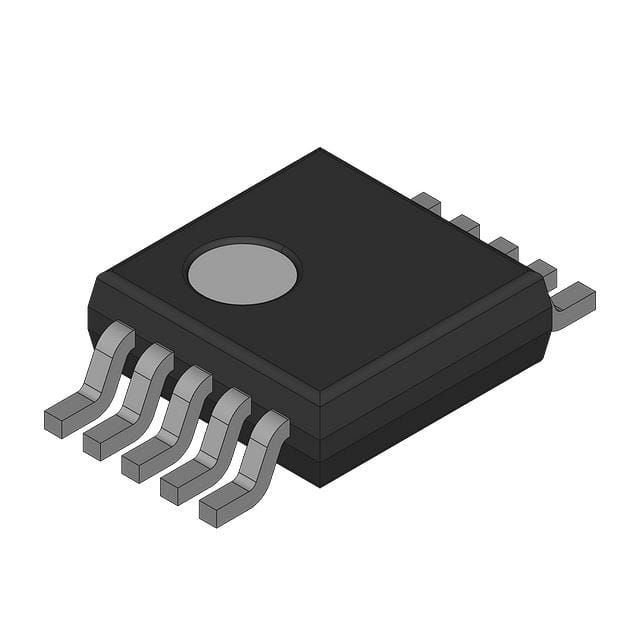
|
| Category | PMIC - Hot Swap Controllers | PMIC - Hot Swap Controllers |
| Manufacturer | Texas Instruments | National Semiconductor |
| Description | IC HOT SWAP CTRLR -48V 14SOIC | LM5069 POSITIVE HIGH VOLTAGE HOT |
| Package | Tape & Reel (TR) | Bulk |
| Series | - | - |
| Type | Hot Swap Controller | Hot Swap Controller |
| Features | Latched Fault | Auto Retry |
| Voltage - Supply | -80V ~ -9V | 9V ~ 80V |
| Operating Temperature | -40°C ~ 125°C | -40°C ~ 125°C |
| Mounting Type | Surface Mount | Surface Mount |
| Package / Case | 14-SOIC (0.295\", 7.50mm Width) | 10-TFSOP, 10-MSOP (0.118\", 3.00mm Width) |
| Supplier Device Package | 14-SOIC | 10-VSSOP |
| Current - Supply | 2 mA | 1.3 mA |
| Applications | -48V | General Purpose |
| Current - Output (Max) | - | - |
| Number of Channels | 1 | 1 |
| Internal Switch(s) | No | No |
| Programmable Features | Circuit Breaker, Current Limit, Fault Timeout, OVP, UVLO | Current Limit, Fault Timeout, OVP, UVLO |
-
1. What is the difference between a hot-swap controller and a power switch?
Hot-swap controllers actively manage current and voltage changes during the plug-in process, while ordinary power switches only have simple on-off functions and cannot provide protection and control functions.
-
2. How do hot-swap controllers prevent inrush current?
Through internal current limiting circuits, hot-swap controllers control the rate of current increase at the moment of insertion to avoid damage to the system due to instantaneous inrush current. At the same time, the settable soft start function helps to load the voltage smoothly.
-
3. Can the current limit value of the hot-swap controller be adjusted?
Yes, many hot-swap controllers allow users to adjust the current limit value through external resistors or programming interfaces to adapt to different load requirements and circuit conditions.
-
4. How to test the performance of hot-swap controllers?
Performance tests can include plug-in tests, current limiting tests, protection function verification, and current surge measurements. Using an oscilloscope to observe the current and voltage changes at the moment of plug-in is an effective way to verify its performance.
