
LME49600TS/NOPB vs TDA7265B
| Part Number |
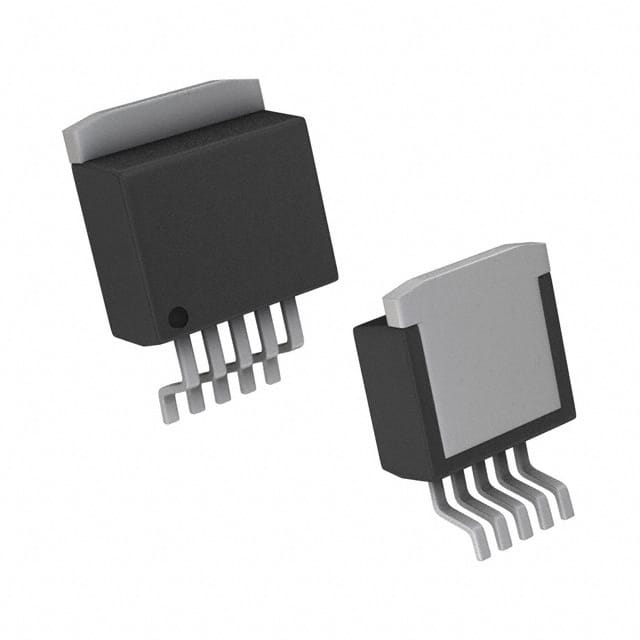
|
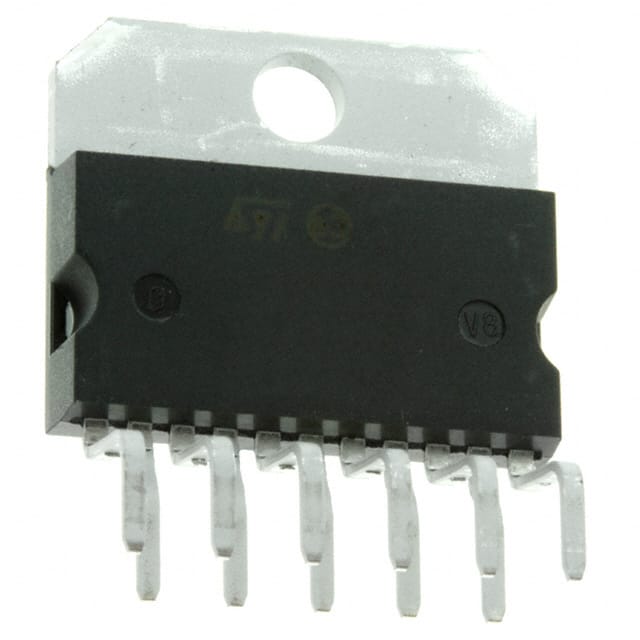
|
| Category | Linear - Amplifiers - Audio | Linear - Amplifiers - Audio |
| Manufacturer | Texas Instruments | STMicroelectronics |
| Description | IC AMP CLASS AB MONO 500MW TO263 | IC AMP AB STER 30W MULTIWATT-11 |
| Package | Tube | Cut Tape (CT) |
| Series | - | - |
| Type | Class AB | Class AB |
| Features | Short-Circuit and Thermal Protection | Depop, Mute, Short-Circuit and Thermal Protection, Standby |
| Voltage - Supply | ±2.25V ~ 18V | ±8V ~ 33V |
| Operating Temperature | -40°C ~ 85°C (TA) | -20°C ~ 85°C (TA) |
| Mounting Type | Surface Mount | Through Hole |
| Package / Case | TO-263-6, D²Pak (5 Leads + Tab), TO-263BA | Multiwatt-11 (Vertical, Bent and Staggered Leads) |
| Supplier Device Package | DDPAK/TO-263-5 | Multiwatt-11 (Vertical, Bent and Staggered Leads) |
| Output Type | 1-Channel (Mono) | 2-Channel (Stereo) |
| Max Output Power x Channels @ Load | 500mW x 1 @ 32Ohm | 30W x 2 @ 8Ohm |
-
1. What types of audio amplifiers are available?
Common types of audio amplifiers include:
Class A amplifiers: have the highest sound quality, but are less efficient.
Class B amplifiers: More efficient, but may produce crossover distortion.
Class AB amplifiers: between Class A and Class B with good balance.
Class D amplifier: highest efficiency, suitable for portable devices, but slightly lower sound quality. -
2. How to choose a suitable audio amplifier?
When choosing an audio amplifier, factors such as output power, total harmonic distortion (THD), signal-to-noise ratio (SNR), efficiency, impedance matching (speaker impedance), and power consumption should be taken into consideration to ensure that it is well-matched with the speakers and audio source equipment.
-
3. What is a Class D audio amplifier and what are its advantages?
Class D audio amplifiers work through Pulse Width Modulation (PWM) technology and have extremely high efficiency (typically up to 90% or higher), making them suitable for use in portable audio equipment or high-efficiency sound systems. It generates less heat because it reduces energy consumption.
-
4. What should the frequency response range of an audio amplifier be?
The frequency response range of a good quality audio amplifier is usually between 20Hz and 20kHz, which is the typical frequency range that the human ear can hear. A wider frequency response ensures that the audio amplifier can accurately reproduce both low and high frequency details.
