
LMH2180TM/NOPB vs SY100EP11UKG-TR
| Part Number |
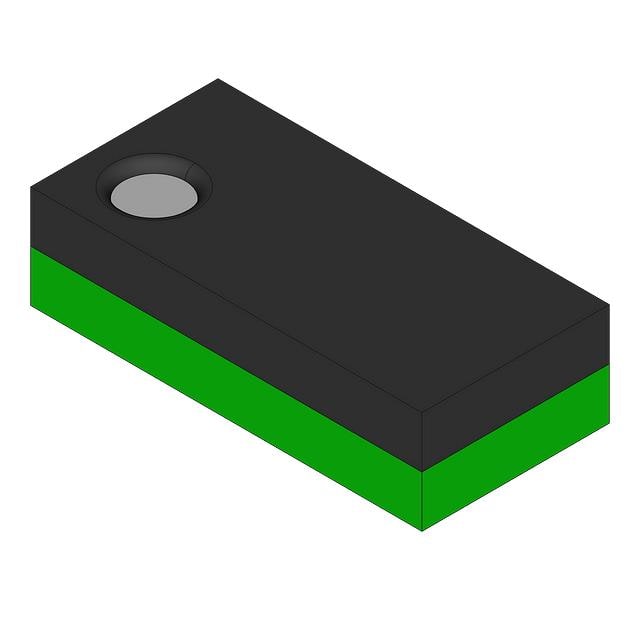
|
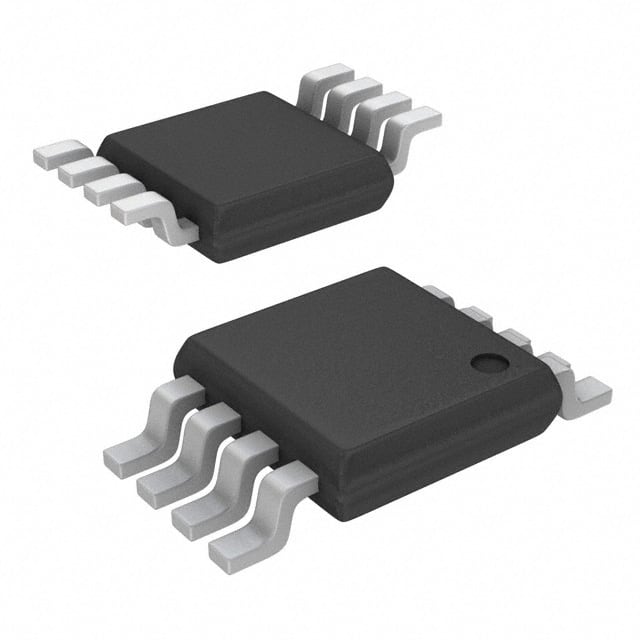
|
| Category | Clock/Timing - Clock Buffers, Drivers | Clock/Timing - Clock Buffers, Drivers |
| Manufacturer | National Semiconductor | Microchip Technology |
| Description | LMH2180 75 MHZ DUAL CLOCK BUFFER | IC CLK BUFFER 1:2 3GHZ 8MSOP |
| Package | Tube | Strip |
| Series | - | 100EP, ECL Pro® |
| Type | Fanout Buffer (Distribution) | Fanout Buffer (Distribution) |
| Voltage - Supply | 2.4V ~ 5V | 2.375V ~ 5.5V |
| Operating Temperature | -40°C ~ 85°C | 0°C ~ 85°C |
| Mounting Type | Surface Mount | Surface Mount |
| Package / Case | 8-WFBGA | 8-TSSOP, 8-MSOP (0.118\", 3.00mm Width) |
| Supplier Device Package | 8-DSBGA | 8-MSOP |
| Output | Clock | ECL, LVECL, LVPECL. PECL |
| Frequency - Max | 75 MHz | 3 GHz |
| Number of Circuits | 1 | 1 |
| Input | Clock | ECL, LVECL, LVPECL. PECL |
| Ratio - Input:Output | 2:2 | 1:2 |
| Differential - Input:Output | No/No | Yes/Yes |
-
1. What are clock buffers and drivers?
Clock buffers and drivers are electronic components used for distributing and enhancing clock signals. The clock buffer is used to replicate clock signals and distribute them to multiple outputs, while the driver enhances the signal strength to drive higher loads or longer transmission distances.
-
2. What is the difference between a clock buffer and a clock driver?
The main function of a clock buffer is to distribute clock signals, while a clock driver is used to enhance signal strength to drive higher loads. Buffer is usually used for branching and synchronizing multiple clock signals, while driver is used to increase signal transmission distance and load capacity.
-
3. What is the function of a clock driver?
The function of a clock driver is to enhance the driving capability of the clock signal, ensuring that the signal can be transmitted further or drive more loads without causing signal attenuation or distortion. It is particularly important in high-frequency and high load applications.
-
4. What output configurations does the clock buffer support?
Clock buffers typically support multiple output configurations, including single ended output, differential output, programmable delay, or selectable output frequency, to accommodate different system requirements.
