
LMH2190TMX-38/NOPB vs CY2CC910OXI-1T
| Part Number |
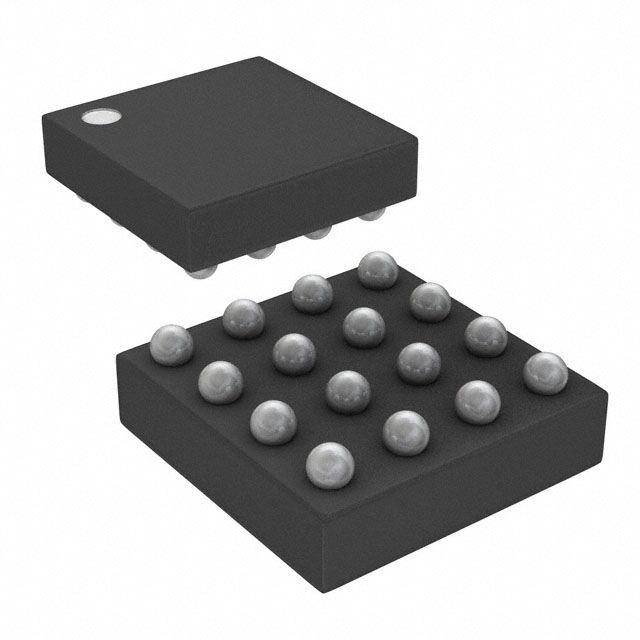
|
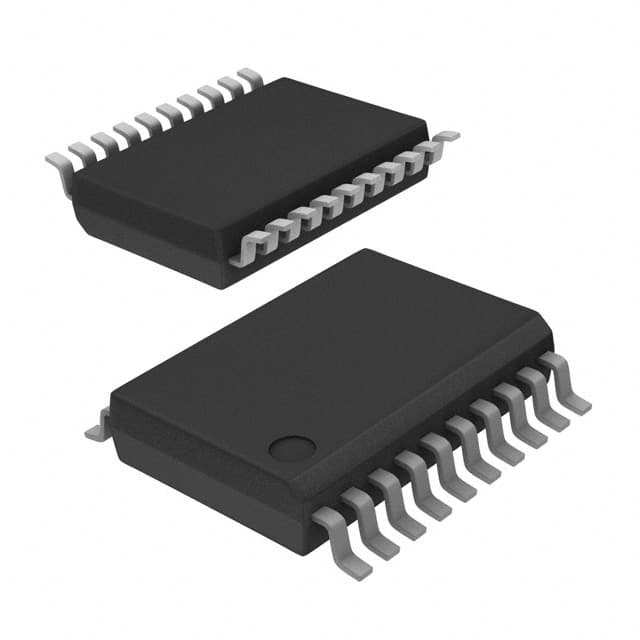
|
| Category | Clock/Timing - Clock Buffers, Drivers | Clock/Timing - Clock Buffers, Drivers |
| Manufacturer | Texas Instruments | Cypress Semiconductor Corp |
| Description | IC CLK BUFFER 1:4 27MHZ 16DSBGA | IC CLK BUFFER 1:10 650MHZ 20SSOP |
| Package | Cut Tape (CT) | Tube |
| Series | - | - |
| Type | Fanout Buffer (Distribution) | Fanout Buffer (Distribution) |
| Voltage - Supply | 2.5V ~ 5.5V | 1.71V ~ 3.465V |
| Operating Temperature | -20°C ~ 85°C | -40°C ~ 85°C |
| Mounting Type | Surface Mount | Surface Mount |
| Package / Case | 16-WFBGA, DSBGA | 20-SSOP (0.209\", 5.30mm Width) |
| Supplier Device Package | 16-DSBGA | 20-SSOP |
| Output | Clock | AVCMOS |
| Frequency - Max | 27 MHz | 650 MHz |
| Number of Circuits | 1 | 1 |
| Input | Clock | AVCMOS |
| Ratio - Input:Output | 1:4 | 1:10 |
| Differential - Input:Output | No/No | No/No |
-
1. What is the difference between a clock buffer and a clock driver?
The main function of a clock buffer is to distribute clock signals, while a clock driver is used to enhance signal strength to drive higher loads. Buffer is usually used for branching and synchronizing multiple clock signals, while driver is used to increase signal transmission distance and load capacity.
-
2. What is the function of a clock driver?
The function of a clock driver is to enhance the driving capability of the clock signal, ensuring that the signal can be transmitted further or drive more loads without causing signal attenuation or distortion. It is particularly important in high-frequency and high load applications.
-
3. Does the clock driver support differential signals?
Yes, many clock drivers support differential signaling, such as LVDS, CML, and HCSL, which can provide higher anti-interference capabilities, especially in high-speed signal transmission applications.
-
4. How do clock buffers and drivers help with timing design?
Clock buffers and drivers ensure that multiple components in the system can work synchronously at precise time points by providing stable, low jitter clock signals, thereby optimizing timing design, especially in high-performance computing and communication systems.
