
LMH2190TMX-38/NOPB vs MC100ES6210ACR2
| Part Number |
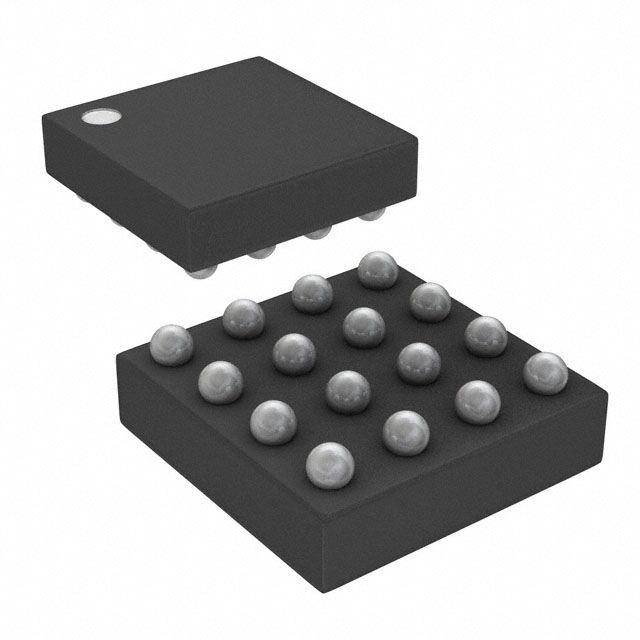
|
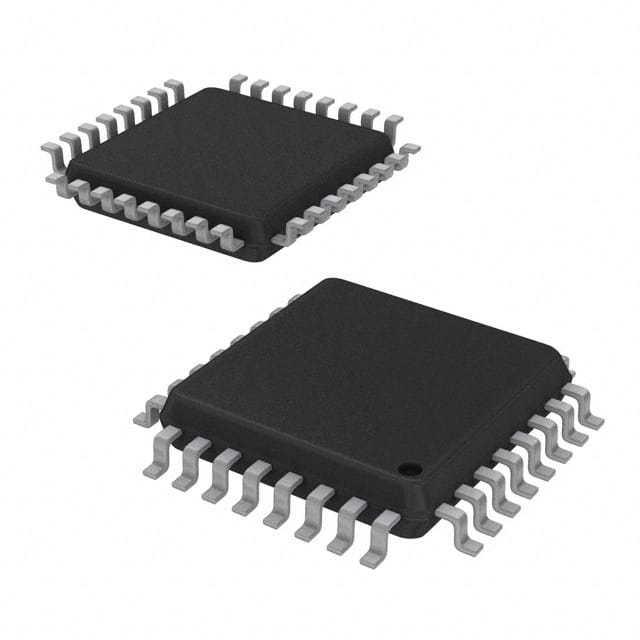
|
| Category | Clock/Timing - Clock Buffers, Drivers | Clock/Timing - Clock Buffers, Drivers |
| Manufacturer | Texas Instruments | Renesas Electronics America Inc |
| Description | IC CLK BUFFER 1:4 27MHZ 16DSBGA | IC CLK BUFFER 1:5 3GHZ 32TQFP |
| Package | Cut Tape (CT) | Tray |
| Series | - | 100ES |
| Type | Fanout Buffer (Distribution) | Fanout Buffer (Distribution) |
| Voltage - Supply | 2.5V ~ 5.5V | 2.375V ~ 3.465V |
| Operating Temperature | -20°C ~ 85°C | 0°C ~ 110°C |
| Mounting Type | Surface Mount | Surface Mount |
| Package / Case | 16-WFBGA, DSBGA | 32-LQFP |
| Supplier Device Package | 16-DSBGA | 32-TQFP (7x7) |
| Output | Clock | ECL, PECL |
| Frequency - Max | 27 MHz | 3 GHz |
| Number of Circuits | 1 | 2 |
| Input | Clock | ECL, PECL |
| Ratio - Input:Output | 1:4 | 1:5 |
| Differential - Input:Output | No/No | Yes/Yes |
-
1. What is the difference between a clock buffer and a clock driver?
The main function of a clock buffer is to distribute clock signals, while a clock driver is used to enhance signal strength to drive higher loads. Buffer is usually used for branching and synchronizing multiple clock signals, while driver is used to increase signal transmission distance and load capacity.
-
2. What are the main applications of clock buffers?
Clock buffers are widely used in systems that require the distribution of clock signals to multiple devices, such as computer motherboards, servers, communication equipment, data centers, and industrial control systems, to ensure synchronized operation of all devices.
-
3. What is the function of a clock driver?
The function of a clock driver is to enhance the driving capability of the clock signal, ensuring that the signal can be transmitted further or drive more loads without causing signal attenuation or distortion. It is particularly important in high-frequency and high load applications.
-
4. How to choose a suitable clock buffer?
When choosing a clock buffer, the following factors need to be considered:
frequency range
Number of output channels
Signal type (differential signal or single ended signal)
Phase noise and jitter performance
Power supply voltage and power consumption
