
LMH2190TMX-38/NOPB vs MC100ES6220AER2
| Part Number |
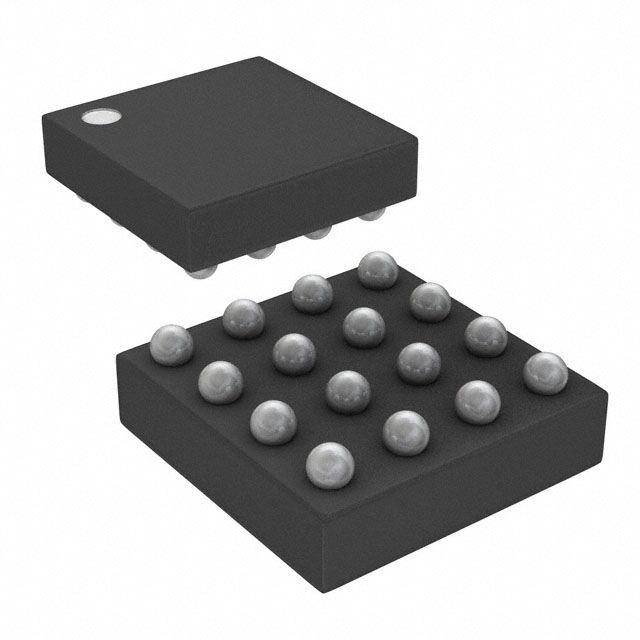
|
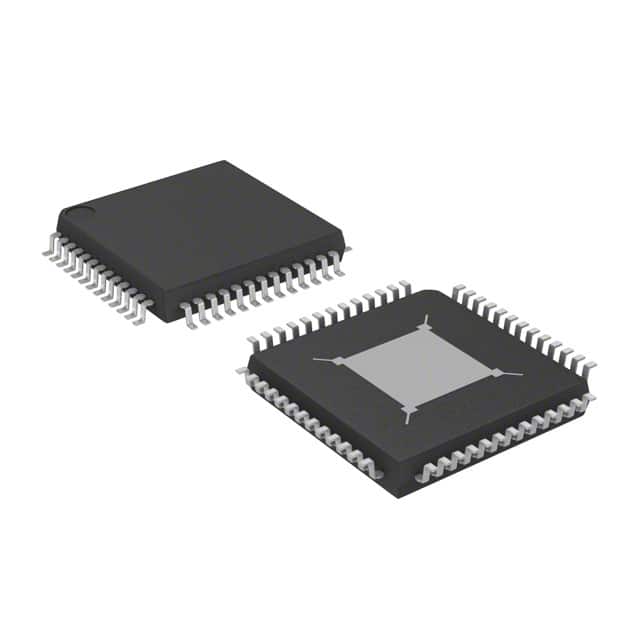
|
| Category | Clock/Timing - Clock Buffers, Drivers | Clock/Timing - Clock Buffers, Drivers |
| Manufacturer | Texas Instruments | Renesas Electronics America Inc |
| Description | IC CLK BUFFER 1:4 27MHZ 16DSBGA | IC CLK BUFFER 1:10 1GHZ 52PTQFP |
| Package | Cut Tape (CT) | Tray |
| Series | - | 100ES |
| Type | Fanout Buffer (Distribution) | Fanout Buffer (Distribution) |
| Voltage - Supply | 2.5V ~ 5.5V | 2.375V ~ 3.465V |
| Operating Temperature | -20°C ~ 85°C | 0°C ~ 70°C |
| Mounting Type | Surface Mount | Surface Mount |
| Package / Case | 16-WFBGA, DSBGA | 52-LQFP Exposed Pad |
| Supplier Device Package | 16-DSBGA | 52-PTQFP (10x10) |
| Output | Clock | LVPECL |
| Frequency - Max | 27 MHz | 1 GHz |
| Number of Circuits | 1 | 2 |
| Input | Clock | ECL, PECL |
| Ratio - Input:Output | 1:4 | 1:10 |
| Differential - Input:Output | No/No | Yes/Yes |
-
1. What is the difference between a clock buffer and a clock driver?
The main function of a clock buffer is to distribute clock signals, while a clock driver is used to enhance signal strength to drive higher loads. Buffer is usually used for branching and synchronizing multiple clock signals, while driver is used to increase signal transmission distance and load capacity.
-
2. How to choose a suitable clock buffer?
When choosing a clock buffer, the following factors need to be considered:
frequency range
Number of output channels
Signal type (differential signal or single ended signal)
Phase noise and jitter performance
Power supply voltage and power consumption -
3. How can clock buffers reduce jitter?
High quality clock buffers are typically designed with low jitter characteristics to ensure phase consistency of output signals and reduce phase noise during transmission. This is crucial for high-precision clock allocation, such as in communication and data transmission applications.
-
4. What output configurations does the clock buffer support?
Clock buffers typically support multiple output configurations, including single ended output, differential output, programmable delay, or selectable output frequency, to accommodate different system requirements.
