
LMK00306SQ/NOPB vs CDCLVD2108RGZT
| Part Number |
|
|
| Category | Clock/Timing - Clock Buffers, Drivers | Clock/Timing - Clock Buffers, Drivers |
| Manufacturer | Texas Instruments | Texas Instruments |
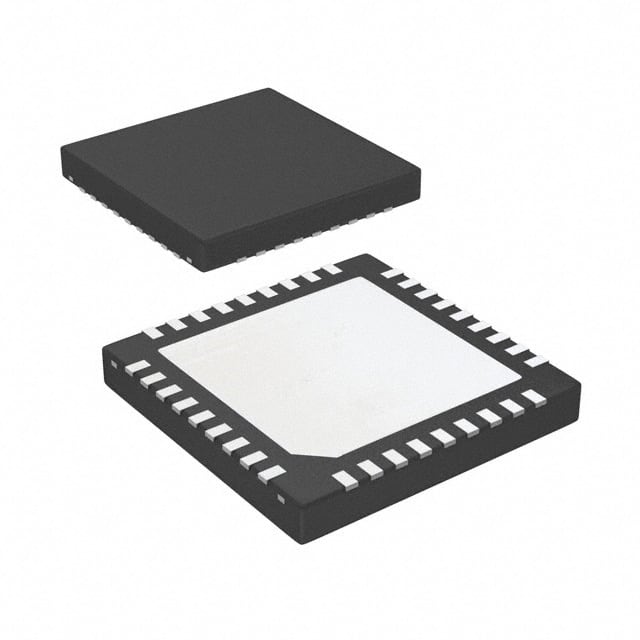
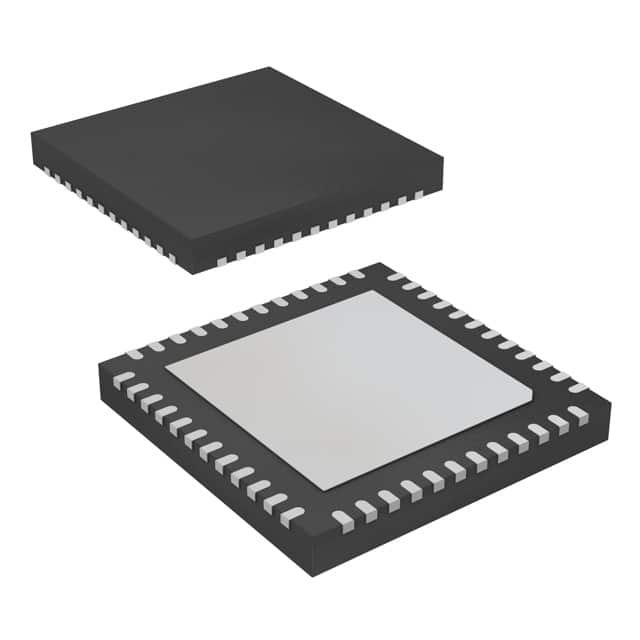
| Description | IC CLK BUFFER 3:7 3.1GHZ 36WQFN | IC CLK BUFFER 1:8 800MHZ 48VQFN |
| Package | Tape & Reel (TR) | Cut Tape (CT) |
| Series | - | - |
| Type | Fanout Buffer (Distribution), Multiplexer, Translator | Fanout Buffer (Distribution) |
| Voltage - Supply | 3.15V ~ 3.45V | 2.375V ~ 2.625V |
| Operating Temperature | -40°C ~ 85°C | -40°C ~ 85°C |
| Mounting Type | Surface Mount | Surface Mount |
| Package / Case | 36-WFQFN Exposed Pad | 48-VFQFN Exposed Pad |
| Supplier Device Package | 36-WQFN (6x6) | 48-VQFN (7x7) |
| Output | HCSL, LVCMOS, LVDS, LVPECL | LVDS |
| Frequency - Max | 3.1 GHz | 800 MHz |
| Number of Circuits | 1 | 2 |
| Input | CML, HCSL, HSTL, LVDS, LVPECL, SSTL, Crystal | LVCMOS, LVDS, LVPECL |
| Ratio - Input:Output | 3:7 | 1:8 |
| Differential - Input:Output | Yes/Yes | Yes/Yes |
-
1. What are the main applications of clock buffers?
Clock buffers are widely used in systems that require the distribution of clock signals to multiple devices, such as computer motherboards, servers, communication equipment, data centers, and industrial control systems, to ensure synchronized operation of all devices.
-
2. How can clock buffers reduce jitter?
High quality clock buffers are typically designed with low jitter characteristics to ensure phase consistency of output signals and reduce phase noise during transmission. This is crucial for high-precision clock allocation, such as in communication and data transmission applications.
-
3. How to evaluate the performance of clock drivers?
When evaluating clock drivers, several key parameters need to be considered:
Driving capability (load capacity)
Output signal integrity
Phase noise and jitter
Power noise suppression
Power supply voltage range and power consumption
-
4. How do clock buffers and drivers help with timing design?
Clock buffers and drivers ensure that multiple components in the system can work synchronously at precise time points by providing stable, low jitter clock signals, thereby optimizing timing design, especially in high-performance computing and communication systems.
