
LTC1998IS6#TRMPBF vs BQ27421YZFT-G1B
| Part Number |
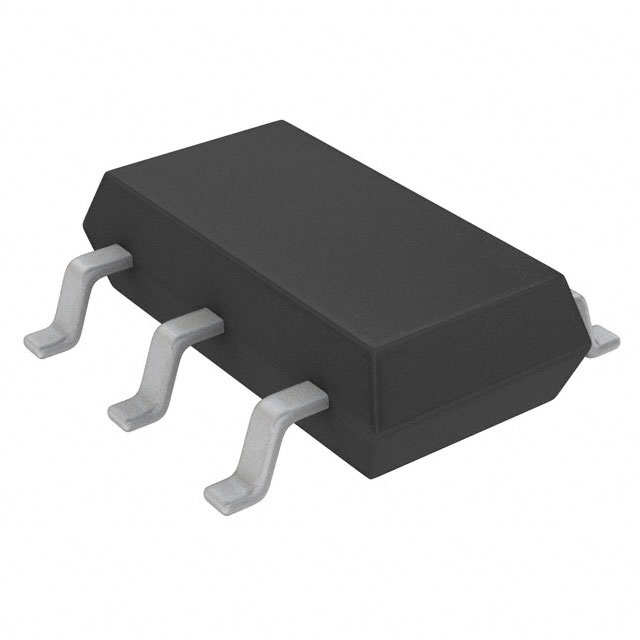
|

|
| Category | PMIC - Battery Management | PMIC - Battery Management |
| Manufacturer | Analog Devices Inc. | Texas Instruments |
| Description | IC BATT MON LI-ION 1CEL TSOT23-6 | IC BATT FUEL GAUGE LICO2 9DSBGA |
| Package | Tape & Reel (TR) | -Reel® |
| Series | - | Impedance Track™ |
| Interface | - | I²C |
| Operating Temperature | -40°C ~ 85°C (TA) | -40°C ~ 85°C (TA) |
| Mounting Type | Surface Mount | Surface Mount |
| Package / Case | SOT-23-6 Thin, TSOT-23-6 | 9-UFBGA, DSBGA |
| Supplier Device Package | TSOT-23-6 | 9-DSBGA |
| Function | Battery Monitor | Battery Monitor |
| Battery Chemistry | Lithium Ion | Lithium Ion |
| Fault Protection | - | - |
| Number of Cells | 1 | 1 |
-
1. What is the difference between a BMS and a battery charger?
The BMS is responsible for monitoring and managing the safety and health of the battery pack, while the battery charger only provides charging current. The BMS ensures that the battery is not overcharged, over-discharged, and overheated through charge and discharge management.
-
2. How does a battery management system extend battery life?
The BMS reduces the battery aging rate and extends the battery life by means of balanced charging, preventing overcharge and over-discharge, and managing temperature.
-
3. What is battery balancing? How does BMS achieve it?
Battery balancing is to ensure that all batteries work in unison by balancing the voltage of each battery cell. The BMS gradually balances the battery during charging through passive or active balancing technology to prevent some cells from overcharging or discharging.
-
4. What are the typical applications of PMIC battery management systems?
BMS is widely used in scenarios such as electric vehicles, portable devices, industrial energy storage systems and medical equipment that require multi-battery unit management to ensure safety and stable performance.
