
MAX14628ETA+ vs LM1972M/NOPB
| Part Number |
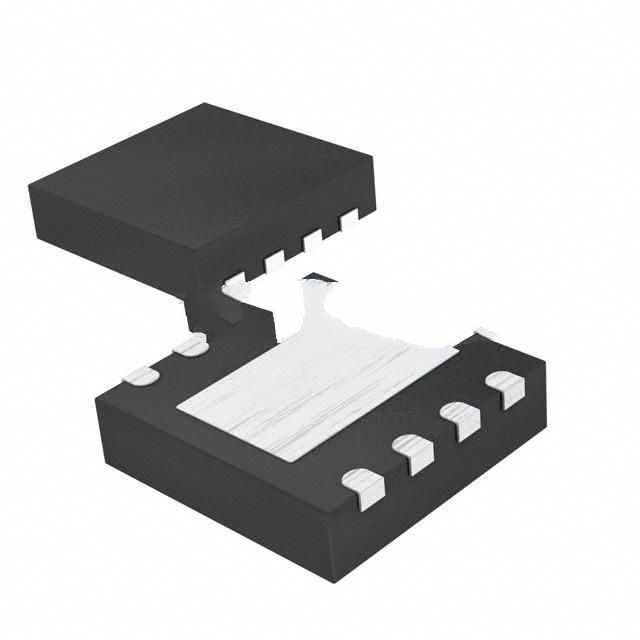
|
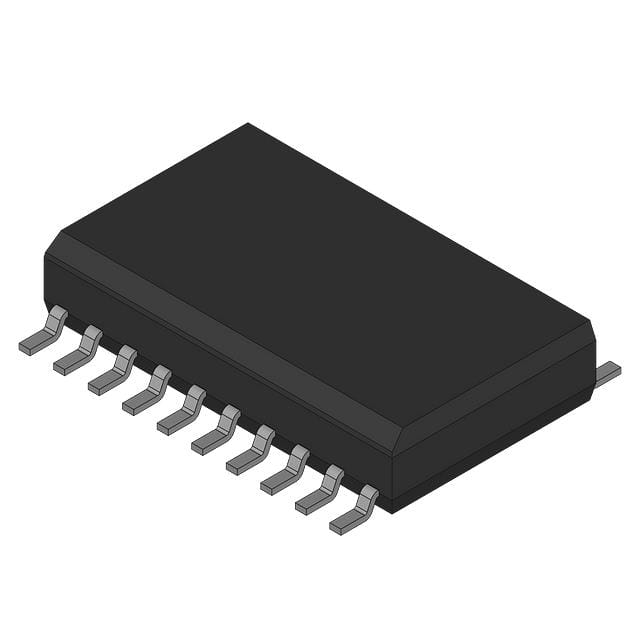
|
| Category | Audio Special Purpose ICs | Audio Special Purpose ICs |
| Manufacturer | Maxim Integrated | National Semiconductor |
| Description | IC HEADSET DETECTOR 3.5MM TDFN | LM1972 MICRO-POT 2-CHANNEL 78 DB |
| Package | 8-WFDFN Exposed Pad | Tape & Reel (TR) |
| Series | - | - |
| Voltage - Supply | 3.1 V ~ 5.5 V | 4.5V ~ 12V |
| Operating Temperature | -40°C ~ 85°C (TA) | 0°C ~ 70°C (TA) |
| Package / Case | 8-WFDFN Exposed Pad | 20-SOIC (0.295\", 7.50mm Width) |
| Supplier Device Package | 8-TDFN-EP (2x2) | 20-SOIC |
| Function | Detection Switch | Volume Control |
| Applications | Consumer Audio | Consumer Audio, Professional Audio |
| Number of Channels | 1 | 2 |
| Interface | - | SPI |
| Mounting Type | - | Surface Mount |
| Specifications | - | 78dB |


-
1. What does an audio IC do?
The main function of an audio IC is to amplify the input weak audio signal to drive speakers or other audio devices to produce clear and powerful sound.
-
2. What are the applications of digital ICs?
Digital ICs are widely used in many fields, including computer systems, communications, consumer electronics, automotive electronics, industrial control, medical equipment, aerospace, military, smart homes, and the Internet of Things.
-
3. What is the audio IC of the iPhone?
The audio IC of the iPhone mainly includes audio IC U21 and ringtone amplifier IC U22. These components together constitute the audio part of the iPhone, which is responsible for processing and amplifying audio signals to ensure that users can clearly hear media content such as calls and music.
-
4. Which IC is used for audio?
Audio ICs mainly include audio power amplifier ICs and digital power amplifier chips, which play a key role in audio systems. The following are usually used for audio IC applications on the market: XMOS chips are known for their high precision, low noise and high performance, and use the latest digital signal processing technology to provide excellent sound quality and dynamic range. NXP chips, known for their stability and reliability, use advanced semiconductor processes and digital signal processing technology. TI chips, known for their high performance and low power consumption, use advanced DSP technology. ST chips, known for their high fidelity and stability, use advanced digital signal processing technology.
