
MAX5977BETP+ vs LM5067MM-1/NOPB
| Part Number |

|
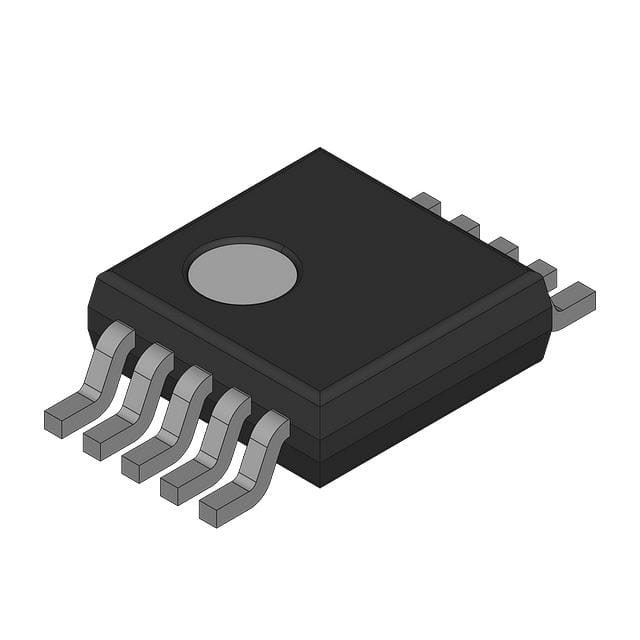
|
| Category | PMIC - Hot Swap Controllers | PMIC - Hot Swap Controllers |
| Manufacturer | Maxim Integrated | National Semiconductor |
| Description | IC CTLR SNGL-CH HOT-SWAP 20TQFN | LM5067 NEGATIVE HOT SWAP / INRUS |
| Package | Tube | Bulk |
| Series | VariableSpeed/BiLevel™ | - |
| Type | Hot Swap Controller | Hot Swap Controller |
| Features | Latched Fault | Latched Fault |
| Voltage - Supply | 2.7V ~ 16V | -80V ~ -9V |
| Operating Temperature | -40°C ~ 85°C | -40°C ~ 125°C |
| Mounting Type | Surface Mount | Surface Mount |
| Package / Case | 20-WFQFN Exposed Pad | 10-TFSOP, 10-MSOP (0.118\", 3.00mm Width) |
| Supplier Device Package | 20-TQFN (4x4) | 10-VSSOP |
| Current - Supply | 734 µA | 2 mA |
| Applications | General Purpose | -48V |
| Current - Output (Max) | - | - |
| Number of Channels | 1 | 1 |
| Internal Switch(s) | No | No |
| Programmable Features | Circuit Breaker, OVP, UVLO | Circuit Breaker, Current Limit, Fault Timeout, OVP, UVLO |
-
1. How does a PMIC hot-swap controller work?
A hot-swap controller protects system components by limiting inrush current during insertion. It monitors parameters such as current and voltage and triggers protection mechanisms such as overcurrent protection or disconnection of power when they exceed the safe range.
-
2. What is the difference between a hot-swap controller and a power switch?
Hot-swap controllers actively manage current and voltage changes during the plug-in process, while ordinary power switches only have simple on-off functions and cannot provide protection and control functions.
-
3. Can the current limit value of the hot-swap controller be adjusted?
Yes, many hot-swap controllers allow users to adjust the current limit value through external resistors or programming interfaces to adapt to different load requirements and circuit conditions.
-
4. What voltage ranges do PMIC hot-swap controllers support?
Hot-swap controllers support voltage ranges from low voltage (such as 5V) to high voltage (such as 48V or even higher), depending on the model and application scenario of the controller.
