
MBR5H100MFST1G vs FS8M
| Part Number |
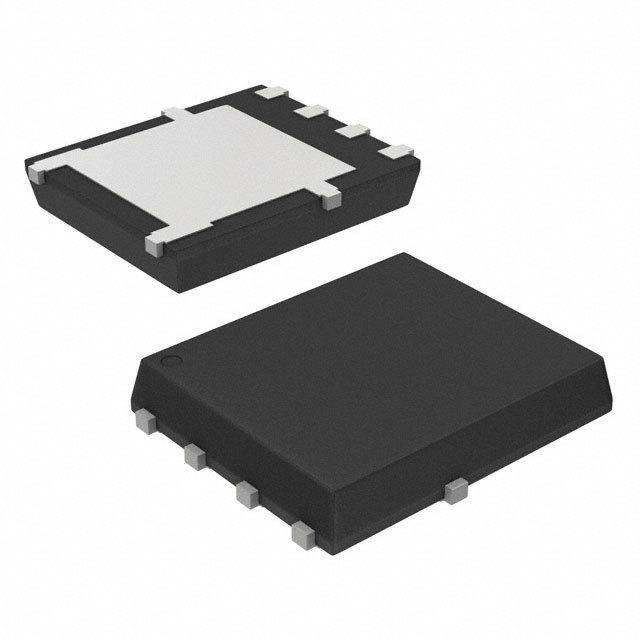
|
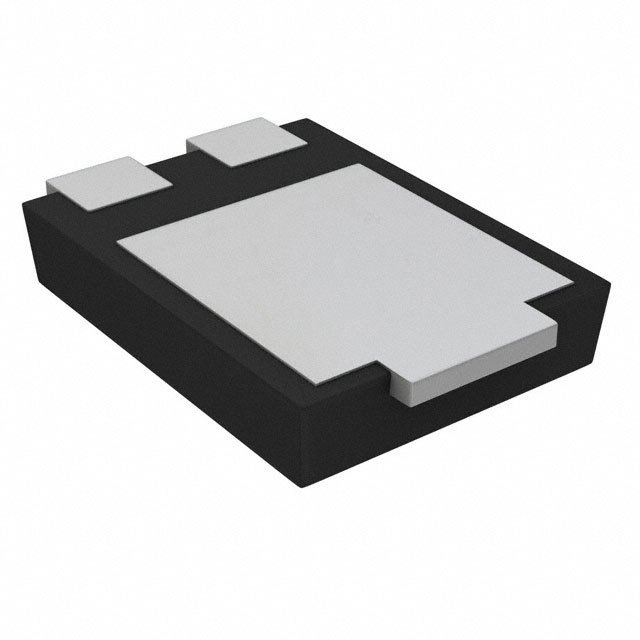
|
| Category | Diodes - Rectifiers - Single | Diodes - Rectifiers - Single |
| Manufacturer | ON Semiconductor | ON Semiconductor |
| Description | DIODE SCHOTTKY 100V 5A 5DFN | DIODE GEN PURP 1KV 8A TO277-3 |
| Package | Cut Tape (CT) | Tape & Reel (TR) |
| Series | SWITCHMODE™ | Automotive, AEC-Q101 |
| Mounting Type | Surface Mount | Surface Mount |
| Package / Case | 8-PowerTDFN, 5 Leads | TO-277, 3-PowerDFN |
| Supplier Device Package | 5-DFN (5x6) (8-SOFL) | TO-277-3 |
| Diode Type | Schottky | Standard |
| Current - Average Rectified (Io) | 5A | 8A |
| Voltage - Forward (Vf) (Max) @ If | 730 mV @ 5 A | 1.1 V @ 8 A |
| Current - Reverse Leakage @ Vr | 100 µA @ 100 V | 5 µA @ 1000 V |
| Capacitance @ Vr, F | - | 118pF @ 0V, 1MHz |
| Voltage - DC Reverse (Vr) (Max) | 100 V | 1000 V |
| Speed | Fast Recovery =< 500ns, > 200mA (Io) | Standard Recovery >500ns, > 200mA (Io) |
| Reverse Recovery Time (trr) | - | 3.37 µs |
| Operating Temperature - Junction | -55°C ~ 175°C | -55°C ~ 150°C |
-
1. What is the working principle of a single rectifier diode?
A rectifier diode conducts current when forward biased, converting the positive half wave of alternating current into direct current. When reverse biased, the diode blocks the current, thereby preventing the negative half wave from passing through and achieving rectification effect.
-
2. How to choose the appropriate rectifier diode?
When making a choice, the following factors need to be considered:
Current capacity: Determine the maximum current that the diode needs to handle.
Reverse voltage: Ensure that the reverse voltage of the diode can withstand the highest voltage in the circuit.
Forward voltage drop: A lower forward voltage drop can improve circuit efficiency.
Recovery time: For high-frequency applications, choose fast recovery or Schottky diodes. -
3. What is the difference between Schottky diodes and traditional silicon rectifier diodes?
Schottky diodes have a lower forward voltage drop (typically 0.2V to 0.3V) and faster switching speed, making them suitable for high-frequency applications. However, their reverse voltage is relatively low and is typically used in circuits with lower voltages.
-
4. How to identify the polarity of a single rectifier diode?
Rectifying diodes usually have polarity markings, with the positive (anode) of the diode being "+" and the negative (cathode) being "-". On the packaging of diodes, there is usually a circular mark on the cathode side indicating the direction of the diode.
