
MCP6V77-E/MS vs INA281A4IDBVT
| Part Number |
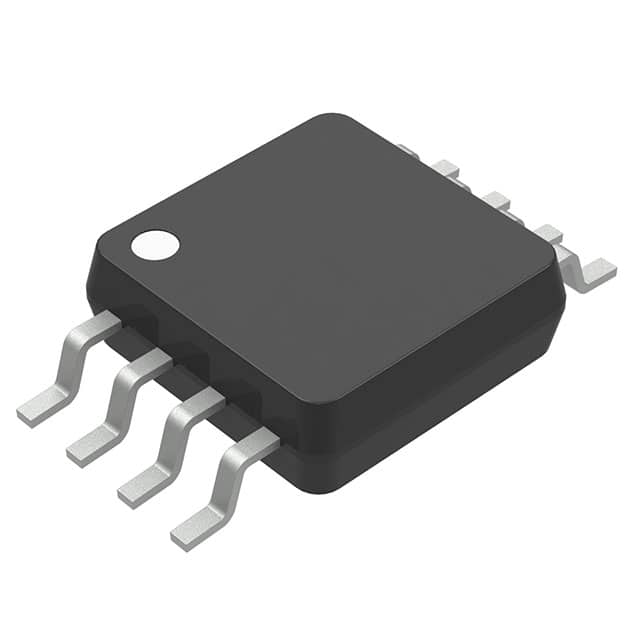
|
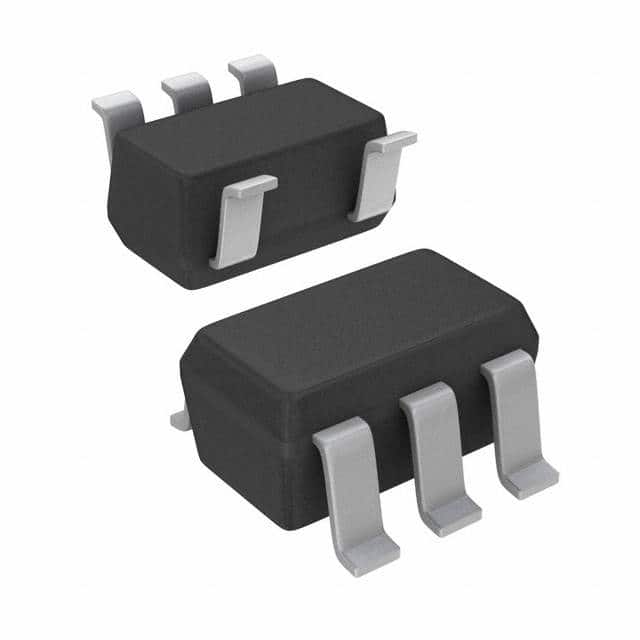
|
| Category | Linear - Amplifiers - Instrumentation, OP Amps, Buffer Amps | Linear - Amplifiers - Instrumentation, OP Amps, Buffer Amps |
| Manufacturer | Microchip Technology | Texas Instruments |
| Description | IC OPAMP ZERO-DRIFT 2 CIRC 8MSOP | -4 TO 100-V, 1-MHZCURRENT |
| Package | Cut Tape (CT) | Tube |
| Series | Zero-Drift | - |
| Operating Temperature | -40°C ~ 125°C (TA) | -40°C ~ 125°C (TA) |
| Mounting Type | Surface Mount | Surface Mount |
| Package / Case | 8-TSSOP, 8-MSOP (0.118\", 3.00mm Width) | SC-74A, SOT-753 |
| Supplier Device Package | 8-MSOP | SOT-23-5 |
| Current - Supply | 170µA (x2 Channels) | 1.5mA |
| Output Type | Rail-to-Rail | - |
| Number of Circuits | 2 | 1 |
| Voltage - Supply, Single/Dual (±) | 2V ~ 5.5V | 2.7V ~ 20V |
| Current - Output / Channel | 26 mA | - |
| -3db Bandwidth | - | - |
| Amplifier Type | Zero-Drift | Current Sense |
| Current - Input Bias | 1 pA | 20 µA |
| Voltage - Input Offset | 25 µV | 30 µV |
| Slew Rate | 1V/µs | 2.5V/µs |
| Gain Bandwidth Product | 2 MHz | 900 kHz |
-
1. What is the difference between an instrumentation amplifier and an operational amplifier?
Instrumentation amplifiers integrate multi-stage operational amplifiers for precise amplification of differential signals, while operational amplifiers are more versatile and can perform a wide range of analog signal processing tasks. Instrumentation amplifiers have higher input impedance and better common mode rejection.
-
2. What is Common Mode Rejection Ratio (CMRR) and why is it important for instrumentation amplifiers?
CMRR indicates an instrumentation amplifier's ability to suppress common mode signals, with higher values being better. A high CMRR is especially important in noisy environments to ensure that the amplifier primarily amplifies differential signals and is not affected by common mode interference.
-
3. How to achieve high accuracy and low drift in instrumentation amplifiers?
Select an amplifier with low bias current, low offset voltage, and low noise, and reduce the effect of temperature drift on accuracy through a stable power supply and proper temperature compensation circuit design.
-
4. What is a Buffer Amp and what is its function?
A Buffer Amp is an amplifier with a unit gain that is mainly used in voltage follower circuits to provide a high input impedance and a low output impedance to isolate the signal source from the load and prevent signal distortion or attenuation.
