
MMSZ5242B-13-F vs FXS01
| Part Number |
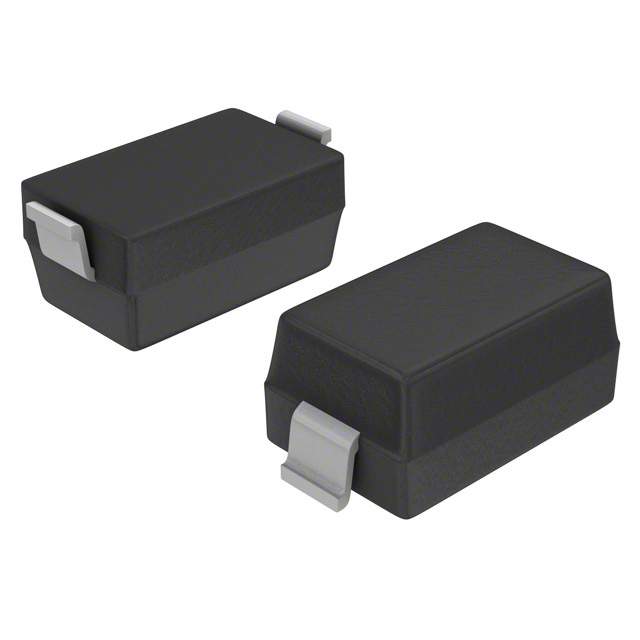
|
|
| Category | Diodes - Zener - Single | Diodes - Zener - Single |
| Manufacturer | Diodes Incorporated | ON Semiconductor |
| Description | DIODE ZENER 12V 370MW SOD123 | DIODE ZENER |
| Package | Tape & Reel (TR) | Bulk |
| Series | - | - |
| Operating Temperature | -65°C ~ 150°C | - |
| Mounting Type | Surface Mount | - |
| Package / Case | SOD-123 | - |
| Supplier Device Package | SOD-123 | - |
| Tolerance | ±5% | - |
| Power - Max | 370 mW | - |
| Voltage - Forward (Vf) (Max) @ If | 900 mV @ 10 mA | - |
| Current - Reverse Leakage @ Vr | 1 µA @ 9.1 V | - |
| Voltage - Zener (Nom) (Vz) | 12 V | - |
| Impedance (Max) (Zzt) | 30 Ohms | - |
-
1. Can 2 Zener diodes be connected in series?
Yes, two or more Zener diodes can be used in series to obtain higher stable voltage values. But pay attention to the power rating and heat dissipation of each diode.
-
2. Is every diode a Zener diode?
No. Although all Zener diodes are a type of diode, not all diodes can be called Zener diodes.
-
3. What are the disadvantages of Zener diodes?
Disadvantages include relatively high power consumption, sensitivity to temperature, and the need for proper heat dissipation.
-
4. What happens if a Zener diode is connected in reverse?
When a Zener diode is properly connected in reverse and a sufficient reverse voltage is applied to exceed its Zener voltage, it will begin to conduct and remain at a relatively constant voltage level.
