
MMSZ5242B-13-F vs MMSZ5234B-13-F
| Part Number |
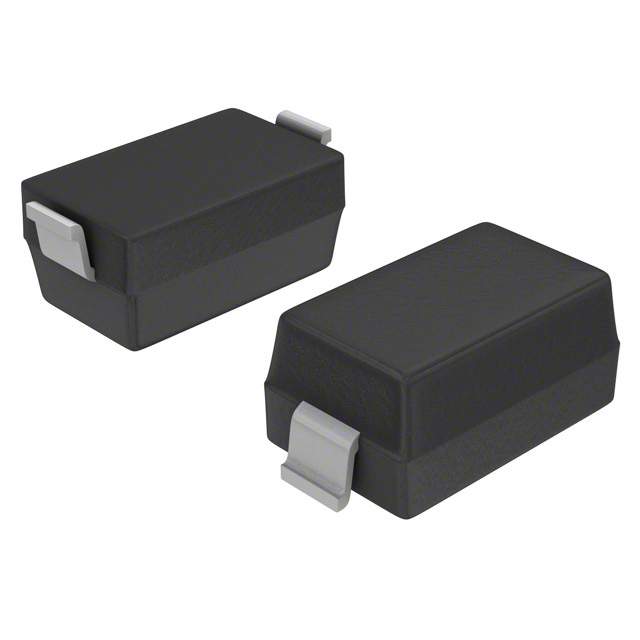
|
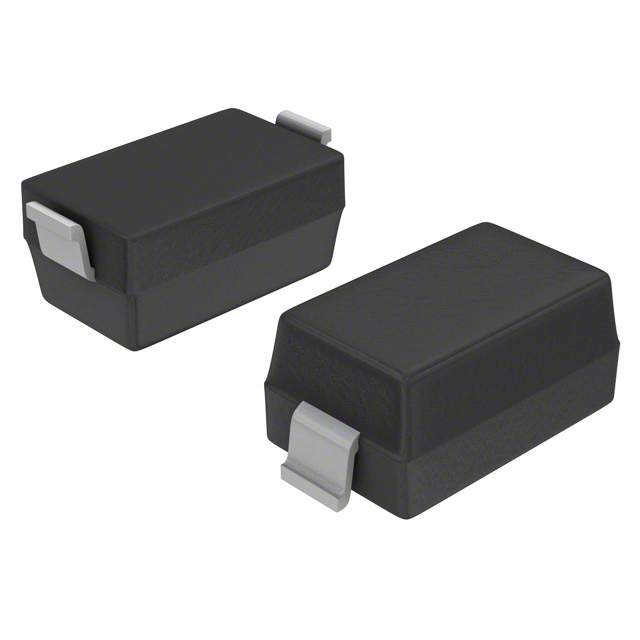
|
| Category | Diodes - Zener - Single | Diodes - Zener - Single |
| Manufacturer | Diodes Incorporated | Diodes Incorporated |
| Description | DIODE ZENER 12V 370MW SOD123 | DIODE ZENER 6.2V 370MW SOD123 |
| Package | Tape & Reel (TR) | Tape & Reel (TR) |
| Series | - | - |
| Operating Temperature | -65°C ~ 150°C | -65°C ~ 150°C |
| Mounting Type | Surface Mount | Surface Mount |
| Package / Case | SOD-123 | SOD-123 |
| Supplier Device Package | SOD-123 | SOD-123 |
| Tolerance | ±5% | ±5% |
| Power - Max | 370 mW | 370 mW |
| Voltage - Forward (Vf) (Max) @ If | 900 mV @ 10 mA | 900 mV @ 10 mA |
| Current - Reverse Leakage @ Vr | 1 µA @ 9.1 V | 5 µA @ 4 V |
| Voltage - Zener (Nom) (Vz) | 12 V | 6.2 V |
| Impedance (Max) (Zzt) | 30 Ohms | 7 Ohms |
-
1. What are the two types of Zener diodes?
Zener diodes are mainly divided into two types: one that works based on the avalanche effect (usually in high voltage applications) and the other that works based on the Zener breakdown mechanism (suitable for lower voltages).
-
2. What is the difference between a Zener diode and a Schottky diode?
Schottky diodes have a low forward voltage drop and fast switching speed, making them suitable for high-frequency applications. In contrast, Zener diodes are mainly used for voltage regulation and voltage stabilization.
-
3. How to tell if a diode is a Zener diode?
You can tell by looking at its symbol (which is slightly different from ordinary diodes), the description in the data sheet, or by testing its reverse characteristic curve. Using a multimeter, you can also measure its forward and reverse resistance values and the voltage drop under specific conditions.
-
4. What happens if a Zener diode is connected in reverse?
When a Zener diode is properly connected in reverse and a sufficient reverse voltage is applied to exceed its Zener voltage, it will begin to conduct and remain at a relatively constant voltage level.
