
PCA9665PW,118 vs USB3503A-1-GL-TR
| Part Number |
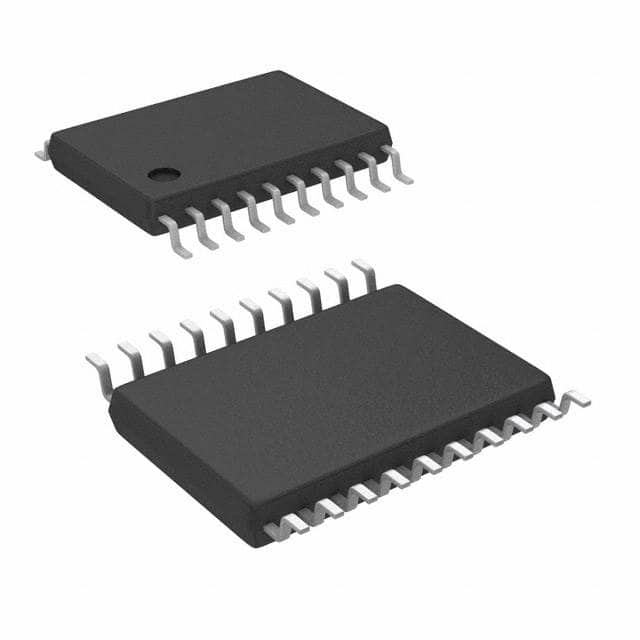
|
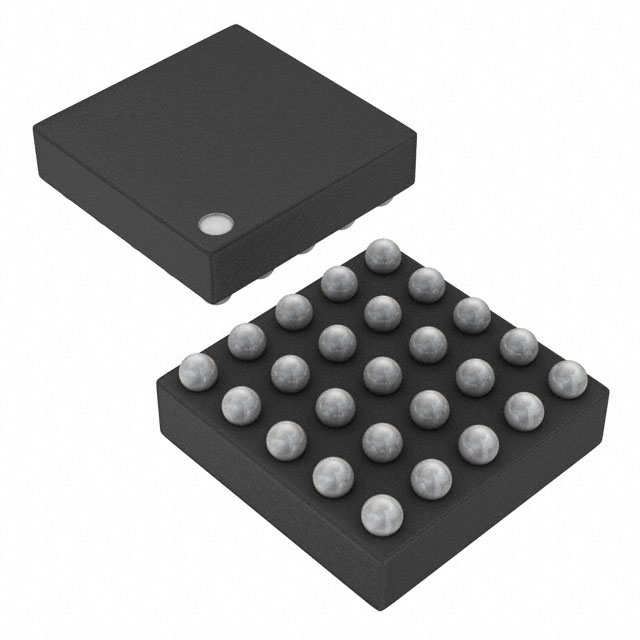
|
| Category | Interface - Controllers | Interface - Controllers |
| Manufacturer | NXP USA Inc. | Microchip Technology |
| Description | IC CNTRLR PARALLEL/I2C 20TSSOP | IC CONTROLLER USB 25WLCSP |
| Package | Tape & Reel (TR) | Tape & Reel (TR) |
| Series | - | - |
| Interface | Parallel | USB |
| Voltage - Supply | 2.3V ~ 3.6V | - |
| Operating Temperature | -40°C ~ 85°C | 0°C ~ 70°C |
| Package / Case | 20-TSSOP (0.173\", 4.40mm Width) | 25-UFBGA, WLCSP |
| Supplier Device Package | 20-TSSOP | 25-WLCSP (1.97x1.97) |
| Current - Supply | 100µA | - |
| Function | Controller | Hub Controller |
| Protocol | I²C | USB |
| Standards | - | USB 2.0 |
-
1. What is an interface IC?
Interface IC is a key component in electronic systems, mainly used to connect different hardware devices to ensure the stability and reliability of data transmission. Interface IC plays a bridge role in electronic systems, enabling various devices to exchange data and communicate smoothly.
-
2. What are interface controls?
Interface controls refer to visual graphic "elements" placed on a form, such as buttons, file edit boxes, etc. These controls have the function of executing functions or triggering code to run and complete responses through "events". Interface controls contain properties, methods, and events:
Properties: Determine the appearance of visual controls, usually including the name, shape, display style, font color, etc. of the control. Any control has a specific set of properties, but some of them are common.
Methods: Control methods refer to class methods preset by the .NET Framework for controls. These methods are provided for programmers to set and handle the control's own characteristics.
Events: Events refer to the control's response to keyboard and mouse "operations". Any control has its own event collection. Once an event of a control occurs, it can cause the execution of the corresponding event process. The event object has its own specific name. The event process code is written by the programmer according to his own problem requirements, such as the button click event Click. -
3. What is the use of interface controllers?
The main purpose of interface controllers is to manage shared network access and provide the required reliability and security.
An interface controller is similar to an array controller in a disk array. It adds an intelligent layer between the tape drive and the storage area network (SAN). In this way, the interface controller manages shared network access, connects to Fibre Channel or SCSI tape drives, and ensures the safe transmission and storage of data. -
4. What is the role of an interface controller?
The main role of an interface controller is to manage shared network access and provide the required reliability and security. It is similar to the array controller in the disk array, adding an intelligent layer between the tape drive and the SAN (storage area network), connecting to the SAN externally, and providing a network interface for the tape library.
Specific functions of the interface controller
Data buffering: Matching the working speed of the host and peripherals through the data buffer register (DBR).
Error or status monitoring: Feedback various error and status information of the device through the status register for use by the CPU.
Control and timing: Receive control signals and clock signals sent from the control bus.
Data format conversion: Perform serial-parallel, parallel-serial and other format conversions.
Communication with the host and device: Realize communication between the host, I/O interface and I/O device.
