
PCF85103C-2T/00,11 vs 24AA64T-I/CS16K
| Part Number |
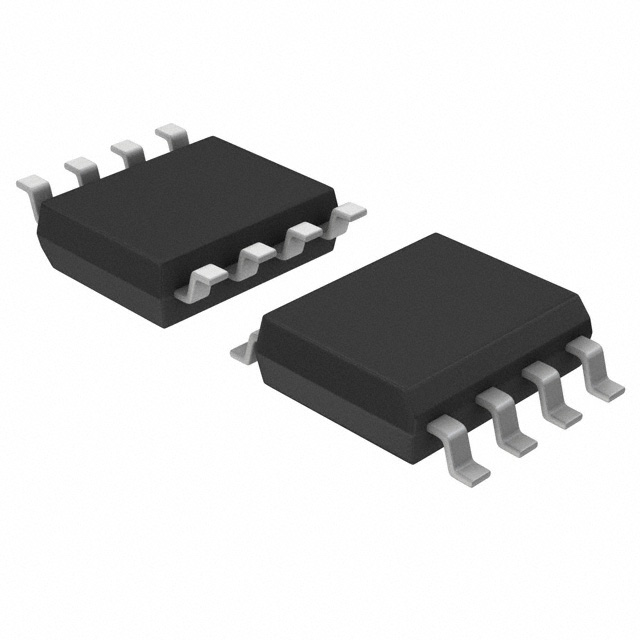
|

|
| Category | General Memory | General Memory |
| Manufacturer | NXP USA Inc. | Microchip Technology |
| Description | IC EEPROM 2KBIT I2C 100KHZ 8SO | IC EEPROM 64KBIT I2C 400KHZ 5CSP |
| Package | Tube | Tube |
| Series | - | - |
| Voltage - Supply | 2.5V ~ 6.0V | 1.7V ~ 5.5V |
| Operating Temperature | -40°C ~ 85°C (TA) | -40°C ~ 85°C (TA) |
| Mounting Type | Surface Mount | Surface Mount |
| Package / Case | 8-SOIC (0.154\", 3.90mm Width) | 5-UFBGA, CSPBGA |
| Supplier Device Package | 8-SO | 5-CSP |
| Memory Size | 2Kb (256 x 8) | 64Kb (8K x 8) |
| Technology | EEPROM | EEPROM |
| Memory Type | Non-Volatile | Non-Volatile |
| Clock Frequency | 100 kHz | 400 kHz |
| Access Time | - | 900 ns |
| Memory Format | EEPROM | EEPROM |
| Write Cycle Time - Word, Page | - | 5ms |
| Memory Interface | I²C | I²C |
-
1. What is the difference between RAM and ROM?
RAM is volatile storage and is used to temporarily store data; while ROM is non-volatile storage, which can still save data after the device is turned off, and is usually used to store unchangeable data such as system startup programs.
-
2. What is flash memory and what are the common types of flash memory?
Flash memory is a non-volatile memory used to store data, and the data will not be lost even if the device is powered off. Common types are NAND and NOR flash memory, which are mainly used in USB flash drives, SSDs, memory cards, etc.
-
3. What is the difference between cache and RAM?
Cache is a high-speed memory between the CPU and the main memory, which is used to temporarily store data and instructions commonly used by the CPU to speed up the system. RAM is the main storage of the system, which is used to store data for applications and operating systems.
-
4. What is High Bandwidth Memory (HBM) and what are its advantages?
HBM is a high-bandwidth, low-latency memory technology commonly used in graphics cards and AI accelerators that can handle a large number of parallel computing tasks. HBM's stacked architecture makes it take up less space and more efficient, making it an ideal choice for big data and high-performance computing applications.
