
PEMD20,115 vs PEMD15,115
| Part Number |
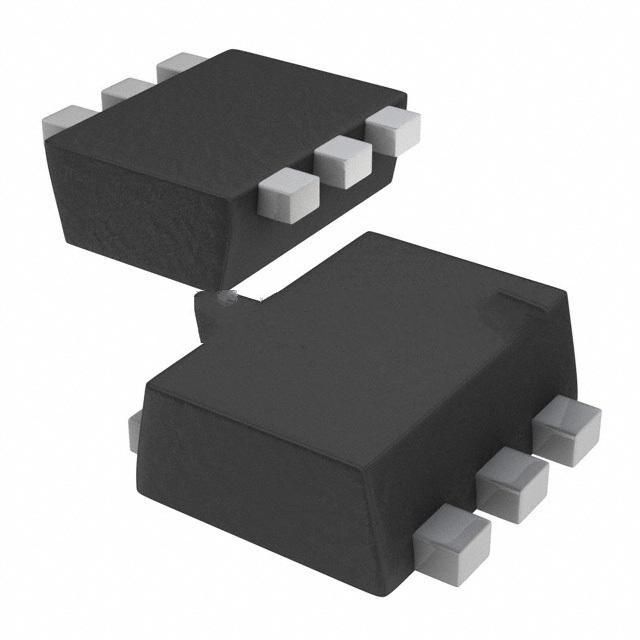
|
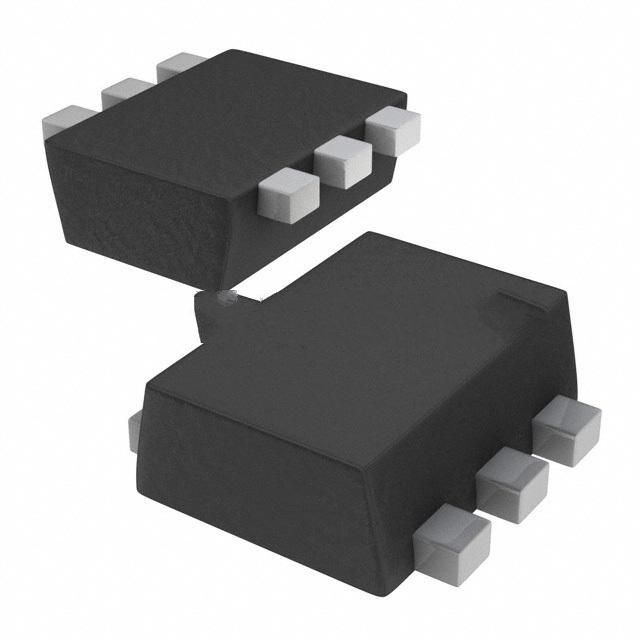
|
| Category | Transistors - Bipolar (BJT) - Arrays, Pre-Biased | Transistors - Bipolar (BJT) - Arrays, Pre-Biased |
| Manufacturer | NXP USA Inc. | NXP USA Inc. |
| Description | NOW NEXPERIA PEMD20 - SMALL SIGN | NOW NEXPERIA PEMD15 - SMALL SIGN |
| Package | Bulk | Bulk |
| Series | - | - |
| Mounting Type | Surface Mount | Surface Mount |
| Package / Case | SOT-563, SOT-666 | SOT-563, SOT-666 |
| Supplier Device Package | SOT-666 | SOT-666 |
| Power - Max | 300mW | 300mW |
| Transistor Type | 1 NPN, 1 PNP - Pre-Biased (Dual) | 1 NPN, 1 PNP - Pre-Biased (Dual) |
| Current - Collector (Ic) (Max) | 100mA | 100mA |
| Voltage - Collector Emitter Breakdown (Max) | 50V | 50V |
| Vce Saturation (Max) @ Ib, Ic | 150mV @ 500µA, 10mA | 150mV @ 500µA, 10mA |
| Current - Collector Cutoff (Max) | 1µA | 1µA |
| DC Current Gain (hFE) (Min) @ Ic, Vce | 30 @ 20mA, 5V | 30 @ 10mA, 5V |
| Frequency - Transition | - | - |
| Resistor - Base (R1) | 2.2kOhms | 4.7kOhms |
| Resistor - Emitter Base (R2) | 2.2kOhms | 4.7kOhms |
-
1. What are the common applications of pre-biased BJT arrays?
They are commonly used in logic-level translation, switching applications, signal amplification, and in circuits requiring compact design and low power consumption.
-
2. How do pre-biased BJTs differ from standard BJTs?
Pre-biased BJTs include integrated resistors, reducing the need for external components. This saves PCB space and simplifies the design process compared to standard BJTs.
-
3. What are typical configurations available in pre-biased arrays?
They come in various configurations, such as dual NPN, dual PNP, or a mix of NPN and PNP transistors in a single package.
-
4. Are pre-biased BJTs suitable for high-frequency applications?
While they can handle moderate frequencies, they are generally better suited for low-to-medium frequency applications, as the internal resistors may affect high-speed performance.
