
RCER71H683K0A2H03B vs RCER71H681K0K1H03B
| Part Number |
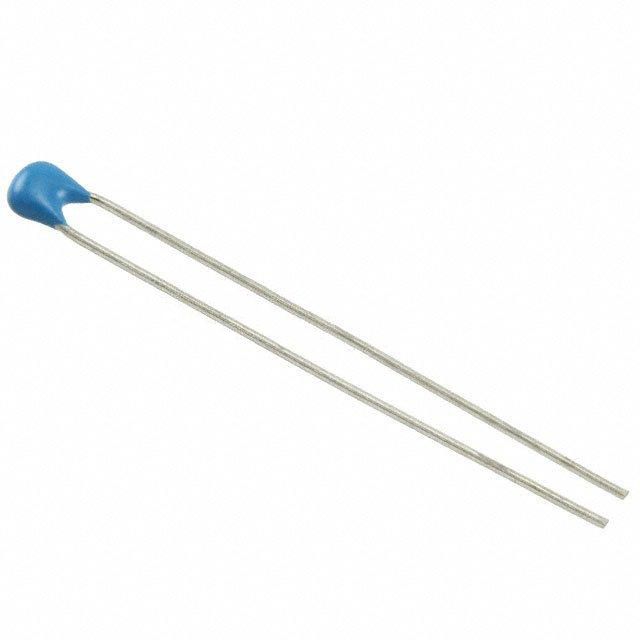
|

|
| Category | Ceramic Capacitors | Ceramic Capacitors |
| Manufacturer | Murata Electronics | Murata Electronics |
| Description | CAP CER 0.068UF 50V X7R RADIAL | CAP CER 680PF 50V X7R RADIAL |
| Package | Bulk | Bulk |
| Series | RCE | RCE |
| Features | - | - |
| Operating Temperature | -55°C ~ 125°C | -55°C ~ 125°C |
| Mounting Type | Through Hole | Through Hole |
| Package / Case | Radial | Radial |
| Applications | Automotive | Automotive |
| Tolerance | ±10% | ±10% |
| Temperature Coefficient | X7R | X7R |
| Size / Dimension | 0.142" L x 0.098" W (3.60mm x 2.50mm) | 0.142" L x 0.098" W (3.60mm x 2.50mm) |
| Voltage - Rated | 50V | 50V |
| Lead Spacing | 0.098\" (2.50mm) | 0.197\" (5.00mm) |
| Thickness (Max) | - | - |
| Ratings | AEC-Q200 | AEC-Q200 |
| Height - Seated (Max) | 0.138\" (3.50mm) | 0.138\" (3.50mm) |
| Capacitance | 0.068 µF | 680 pF |
| Lead Style | Straight | Formed Leads |
| Failure Rate | - | - |
-
1. What is the difference between ceramic capacitors and electrolytic capacitors?
Polarity: Ceramic capacitors are non-polar, while electrolytic capacitors are polar.
Capacity range: Electrolytic capacitors generally offer larger capacitance values.
Stability: Ceramic capacitors are more stable, especially when the temperature changes.
Lifespan: Ceramic capacitors have a longer lifespan because there is no liquid electrolyte to dry out. -
2. Does the voltage of ceramic capacitors matter?
Voltage ratings are critical to ensure safe operation. Using a capacitor below the rated voltage may cause premature failure; using a capacitor above the rated voltage may cause immediate damage.
-
3. Should ceramic capacitors have continuity?
A properly functioning ceramic capacitor should show a certain capacitance value between its pins, not completely on or off.
-
4. Do ceramic capacitors degrade over time?
The capacitance value of ceramic capacitors may decrease slightly over time and environmental factors, but this is usually a slow process.
