
RL80E152MDN1 vs 278ULR2R5MGU
| Part Number |
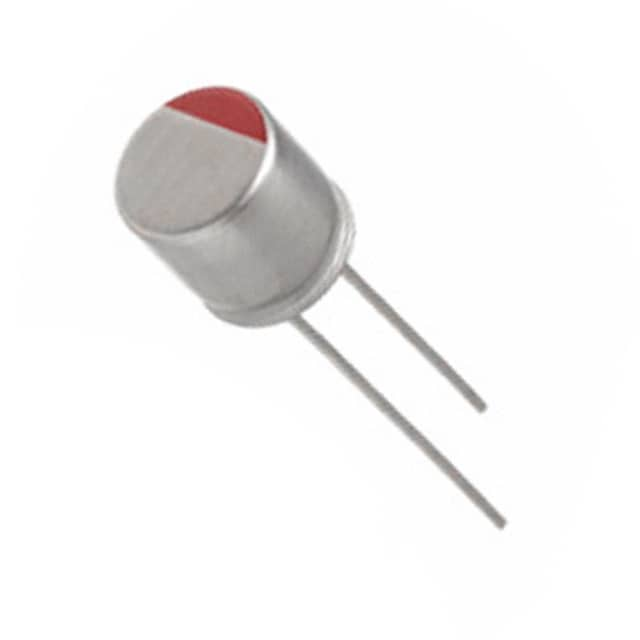
|
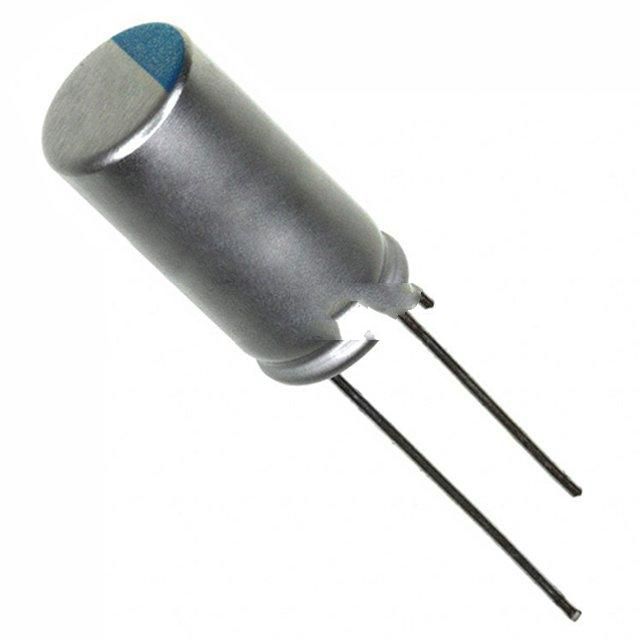
|
| Category | Aluminum - Polymer Capacitors | Aluminum - Polymer Capacitors |
| Manufacturer | Nichicon | Illinois Capacitor |
| Description | CAP ALUM POLY 1500UF 2.5V T/H | CAP ALUM POLY 2700UF 2.5V T/H |
| Package | Box | Bulk |
| Series | FPCAP, RL8 | ULR |
| Type | Polymer | Polymer |
| Features | - | - |
| Operating Temperature | -55°C ~ 105°C | -55°C ~ 105°C |
| Mounting Type | Through Hole | Through Hole |
| Package / Case | Radial, Can | Radial, Can |
| Applications | General Purpose | Decoupling |
| Tolerance | ±20% | ±20% |
| Size / Dimension | 0.315\" Dia (8.00mm) | 0.394\" Dia (10.00mm) |
| Impedance | - | - |
| Voltage - Rated | 2.5 V | 2.5 V |
| Lead Spacing | 0.138\" (3.50mm) | 0.197\" (5.00mm) |
| Ratings | - | - |
| Height - Seated (Max) | 0.354\" (9.00mm) | 0.551\" (14.00mm) |
| Capacitance | 1500 µF | 2700 µF |
| ESR (Equivalent Series Resistance) | 7mOhm | 8mOhm |
| Lifetime @ Temp. | 2000 Hrs @ 105°C | 2000 Hrs @ 105°C |
| Ripple Current @ Low Frequency | 610 mA @ 120 Hz | 283 mA @ 120 Hz |
| Ripple Current @ High Frequency | 6.1 A @ 100 kHz | 5.66 A @ 100 kHz |
| Surface Mount Land Size | - | - |
-
1. What is Aluminum Polymer Capacitor?
Aluminum polymer capacitors are electrolytic capacitors that use conductive polymers instead of traditional electrolytes as cathode materials, with lower equivalent series resistance (ESR) and better performance.
-
2. What frequency range are aluminum polymer capacitors suitable for?
Aluminum polymer capacitors are typically suitable for high-frequency applications, with a frequency range of several hundred kHz to MHz, making them ideal for use in high-frequency circuits.
-
3. How long is the lifespan of aluminum polymer capacitors?
Compared to traditional electrolytic capacitors, aluminum polymer capacitors have a longer lifespan, typically reaching thousands or even longer, depending on the application environment and working conditions.
-
4. How do aluminum polymer capacitors perform in high temperature environments?
These capacitors have good high-temperature stability and can typically operate in environments ranging from 85 ° C to 105 ° C, exhibiting excellent performance at high temperatures, especially compared to traditional capacitors with liquid electrolytes.
