
S82750LV vs MSP53C391NI2D
| Part Number |
|
|
| Category | Audio Special Purpose ICs | Audio Special Purpose ICs |
| Manufacturer | Altera | Texas Instruments |
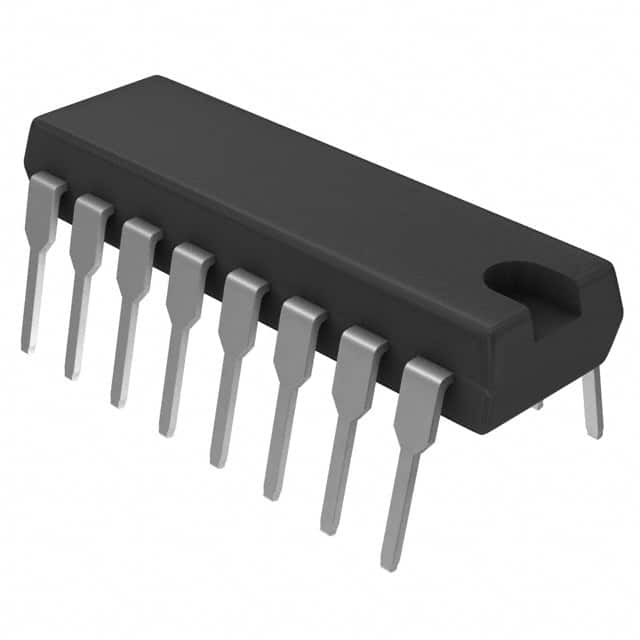
| Description | CONSUMER IC, PQFP160 | IC LONG DURATION PROC 16-DIP |
| Package | Bulk | Tube |
| Series | - | - |
| Interface | - | - |
| Voltage - Supply | - | - |
| Operating Temperature | - | - |
| Mounting Type | - | Through Hole |
| Package / Case | - | 16-DIP (0.300\", 7.62mm) |
| Supplier Device Package | - | 16-PDIP |
| Function | - | - |
| Applications | - | - |
| Number of Channels | - | - |
| Specifications | - | - |

-
1. What does an audio IC do?
The main function of an audio IC is to amplify the input weak audio signal to drive speakers or other audio devices to produce clear and powerful sound.
-
2. What is the audio IC of the iPhone?
The audio IC of the iPhone mainly includes audio IC U21 and ringtone amplifier IC U22. These components together constitute the audio part of the iPhone, which is responsible for processing and amplifying audio signals to ensure that users can clearly hear media content such as calls and music.
-
3. What happens if the audio IC is broken?
The symptom of a broken audio IC is that the speaker has no sound, that is, no prompt sound or music can be heard. The audio power amplifier IC is the most basic device in the audio system. Its task is to amplify the weak electrical signal from the signal source to drive the speaker to make sound.
-
4. Which IC is used for audio?
Audio ICs mainly include audio power amplifier ICs and digital power amplifier chips, which play a key role in audio systems. The following are usually used for audio IC applications on the market: XMOS chips are known for their high precision, low noise and high performance, and use the latest digital signal processing technology to provide excellent sound quality and dynamic range. NXP chips, known for their stability and reliability, use advanced semiconductor processes and digital signal processing technology. TI chips, known for their high performance and low power consumption, use advanced DSP technology. ST chips, known for their high fidelity and stability, use advanced digital signal processing technology.
