
SR071C103MAATR1 vs C1206X563K3JAC7800
| Part Number |

|
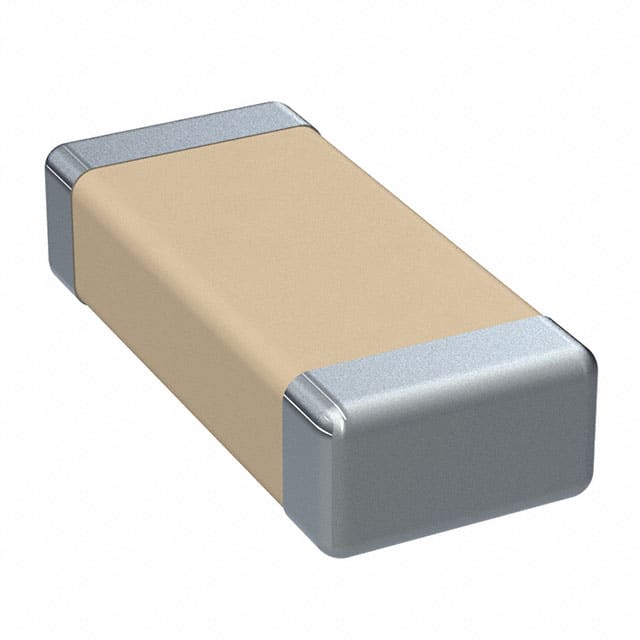
|
| Category | Ceramic Capacitors | Ceramic Capacitors |
| Manufacturer | KYOCERA AVX | KEMET |
| Description | CAP CER 10000PF 100V X7R RADIAL | CAP CER 0.056UF 25V U2J 1206 |
| Package | Radial | Tape & Reel (TR) |
| Series | SkyCap? SR | SMD Comm U2J Flex |
| Operating Temperature | -55°C ~ 125°C | -55°C ~ 125°C |
| Mounting Type | Through Hole | Surface Mount, MLCC |
| Package / Case | Radial | 1206 (3216 Metric) |
| Applications | General Purpose | Boardflex Sensitive |
| Tolerance | ±20% | ±10% |
| Temperature Coefficient | X7R | U2J |
| Size / Dimension | 0.150" L x 0.100" W (3.81mm x 2.54mm) | 0.130" L x 0.063" W (3.30mm x 1.60mm) |
| Voltage - Rated | 100V | 25V |
| Lead Spacing | 0.100" (2.54mm) | - |
| Height - Seated (Max) | 0.100" (2.54mm) | - |
| Capacitance | 10000pF | 0.056 µF |
| Lead Style | Formed Leads - Kinked | - |
| Features | - | Low ESL, Soft Termination, Low Dissipation Factor |
| Thickness (Max) | - | 0.035\" (0.88mm) |
| Ratings | - | - |
| Failure Rate | - | - |
-
1. Can I replace film capacitors with ceramic capacitors?
In many cases, ceramic capacitors can be used to replace film capacitors, especially when smaller size and lower cost are required. However, it is important to note that ceramic capacitors may have different temperature coefficients and self-healing characteristics, which may affect performance in a specific application.
-
2. Why do ceramic capacitors short?
Overvoltage: Exceeding the rated voltage may cause internal breakdown.
Mechanical damage: External impact or pressure.
Manufacturing defects: Problems with the internal structure. -
3. How do I know if my ceramic capacitor is bad?
Visual inspection: Check for cracks, bulges, or other physical damage.
Multimeter test: Measure the capacitance value to see if it is close to the nominal value, and check for shorts or opens. -
4. Why do ceramic capacitors make noise?
Some types of ceramic capacitors (particularly Class 2 ceramic capacitors) produce micro-vibrations when the voltage changes due to their material properties, which in turn cause faint mechanical noise.
