
ST36BRP vs MKP1V120RL
| Part Number |
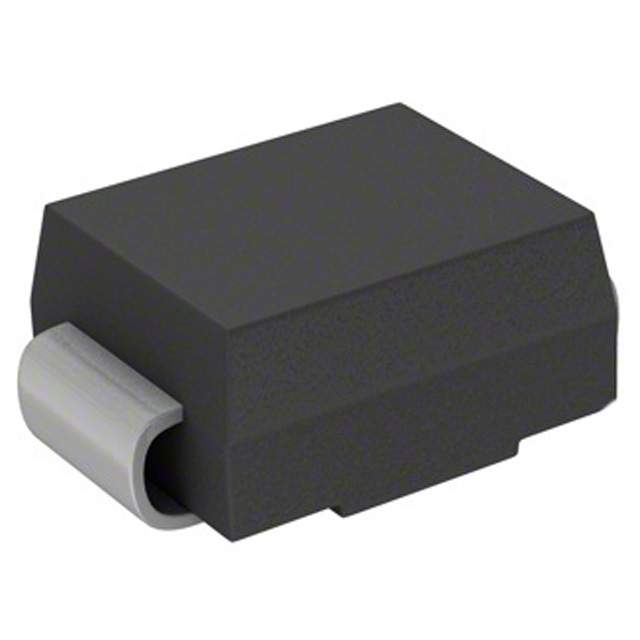
|
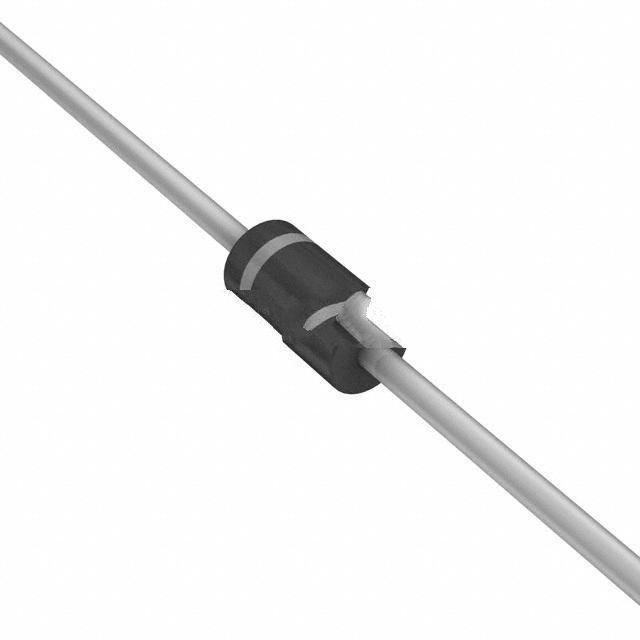
|
| Category | Thyristors - DIACs, SIDACs | Thyristors - DIACs, SIDACs |
| Manufacturer | Littelfuse Inc. | ON Semiconductor |
| Description | DIAC 34-38V 2A DO214 | SIDAC 110-130V 900MA AXIAL |
| Package | Tape & Reel (TR) | -Reel® |
| Series | - | - |
| Operating Temperature | -40°C ~ 125°C (TJ) | -40°C ~ 125°C (TJ) |
| Package / Case | DO-214AA, SMB | DO-204AL, DO-41, Axial |
| Supplier Device Package | DO-214 | Axial |
| Voltage - Breakover | 34 ~ 38V | 110 ~ 130V |
| Current - Breakover | 15 µA | 35 µA |
| Current - Hold (Ih) (Max) | - | 100 mA |
| Current - Peak Output | 2 A | 900 mA |
-
1. What is the breakover voltage of a DIAC or SIDAC?
The breakover voltage is the voltage at which the device becomes conductive. It varies depending on the specific device, typically ranging from 30V to 250V for SIDACs.
-
2. How do I select a DIAC or SIDAC for my application?
Key parameters include the breakover voltage, peak current, holding current, and the type of package. Selection should match the application's voltage and current requirements.
-
3. What are the advantages of using DIACs or SIDACs?
They provide reliable triggering mechanisms for thyristors, enhance circuit efficiency, and reduce the need for additional components.
-
4. How does temperature affect DIACs and SIDACs?
Their operation is temperature-dependent, with most devices rated for operation between -40°C and 125°C. Higher temperatures can affect their triggering voltage.
