
SX3LB-72S-1.27DSA(70) vs 2308107-3
| Part Number |
|
|
| Category | Memory Connectors - Inline Module Sockets | Memory Connectors - Inline Module Sockets |
| Manufacturer | Hirose Electric Co Ltd | TE Connectivity AMP Connectors |
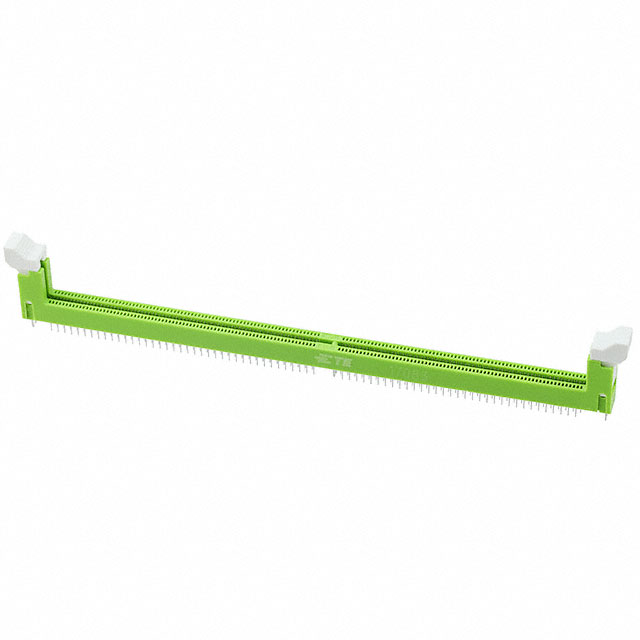
| Description | CONN SKT SIMM 72POS PCB | DDR4 DIMM 288 PIN TH TYPE |
| Package | - | - |
| Series | SX3 | - |
| Features | Latches | Board Lock, Latches |
| Mounting Type | Through Hole | Through Hole |
| Standards | MO-116 | MO-309 |
| Contact Finish | Gold | Gold |
| Number of Positions | 72 | 288 |
| Mounting Feature | Normal, Standard - Top | Normal, Standard - Top |
| Connector Style | SIMM | DIMM |
| Memory Type | - | DDR4 SDRAM |
| Contact Finish Thickness | - | 15µin (0.38µm) |
-
1. What is a memory connector?
A memory connector is a hardware interface used to connect memory modules to motherboards or other electronic devices. They are commonly used in computers, servers, embedded systems and other devices to transfer data and power.
-
2. What is an inline module socket?
An inline module socket is a socket specially designed to insert memory modules. It transmits electrical signals and supplies power by contacting the pins on the module.
-
3. What is the main difference between a memory connector and an inline module socket?
A memory connector generally refers to all types of memory slots, including DIMMs, SO-DIMMs, etc., while an inline module socket usually refers to a type of socket with a compact design that is easy to install and remove.
-
4. How do memory connectors and sockets prevent signal interference?
High-quality memory connectors usually adopt precision design, use shielding materials and grounding design to reduce signal interference and noise. Reasonable PCB layout also helps improve signal transmission quality.
