
T491A155M016AT vs T540D157K006CH8505
| Part Number |
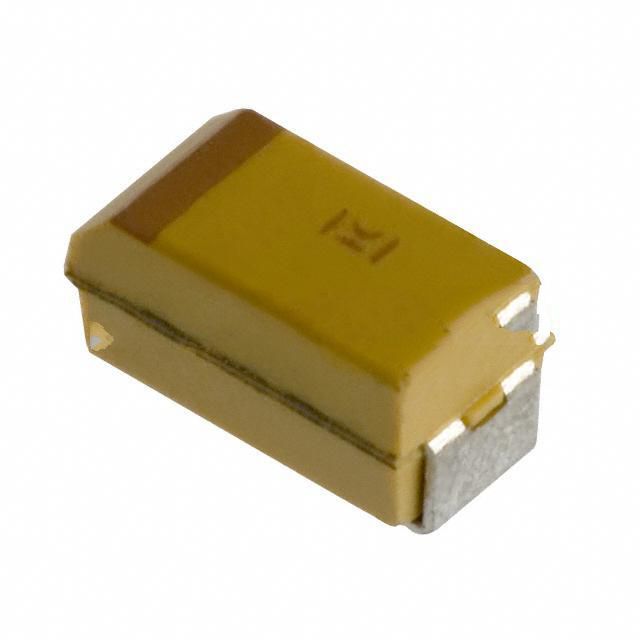
|
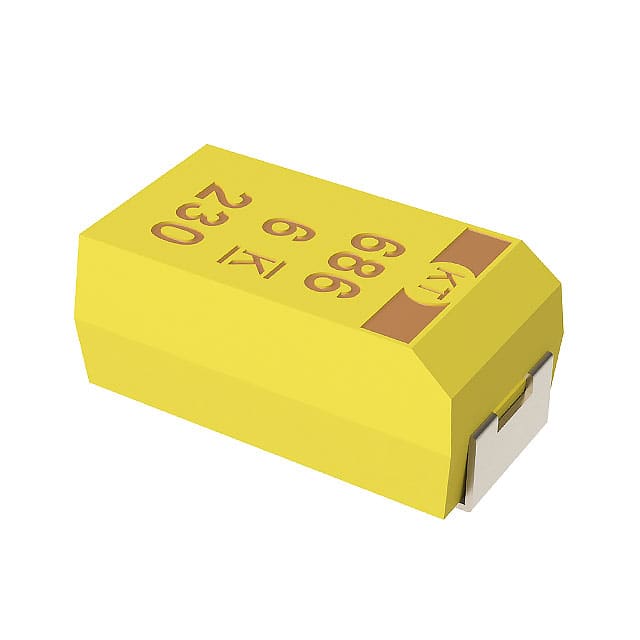
|
| Category | Tantalum Capacitors | Tantalum - Polymer Capacitors |
| Manufacturer | KEMET | KEMET |
| Description | CAP TANT 1.5UF 20% 16V 1206 | CAP TANT POLY 150UF 6.3V 2917 |
| Package | Tape & Reel (TR) | Tape & Reel (TR) |
| Series | T491 | KO-CAP® T540 |
| Type | Molded | Molded |
| Features | General Purpose | High Reliability |
| Operating Temperature | -55°C ~ 125°C | -55°C ~ 125°C |
| Mounting Type | Surface Mount | Surface Mount |
| Package / Case | 1206 (3216 Metric) | 2917 (7343 Metric) |
| Tolerance | ±20% | ±10% |
| Size / Dimension | 0.126" L x 0.063" W (3.20mm x 1.60mm) | 0.287" L x 0.169" W (7.30mm x 4.30mm) |
| Voltage - Rated | 16 V | 6.3 V |
| Lead Spacing | - | - |
| Ratings | - | COTS |
| Height - Seated (Max) | 0.071\" (1.80mm) | 0.122\" (3.10mm) |
| Capacitance | 1.5 µF | 150 µF |
| ESR (Equivalent Series Resistance) | 8Ohm | 40mOhm @ 100kHz |
| Lifetime @ Temp. | 2000 Hrs @ 125°C | 2000 Hrs @ 125°C |
| Failure Rate | - | - |
| Manufacturer Size Code | A | D |
-
1. What is the expected life of tantalum capacitors?
Under normal circumstances, it can range from thousands of hours to tens of thousands of hours, depending on the working conditions and manufacturer specifications.
-
2. When to use tantalum capacitors?
When miniaturization, low ESR (equivalent series resistance), and stable operation over a wide temperature range are required.
Suitable for audio processing, communication equipment, computer motherboards and other fields. -
3. Can I use ceramic capacitors instead of tantalum capacitors?
It depends on the specific situation. If the size, ESR requirements are not high and a specific capacitance value is not required, you can consider replacing it.
But be aware that there are differences in physical properties between the two, and direct replacement may affect the working state of the circuit. -
4. Is tantalum better than tungsten?
It depends on the application. For capacitors, tantalum is preferred due to its unique properties; while in some other industrial uses, such as making filaments, tungsten is preferred.
