
T498A475K010ATE2K9 vs TAJA226M010RNJ
| Part Number |
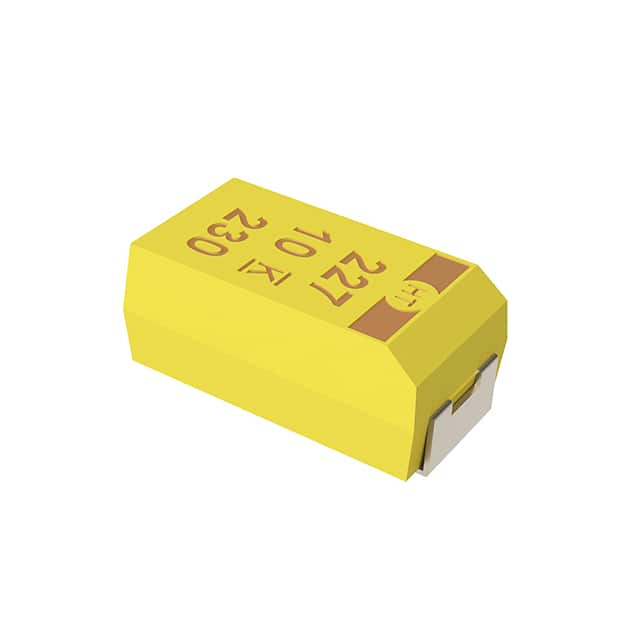
|
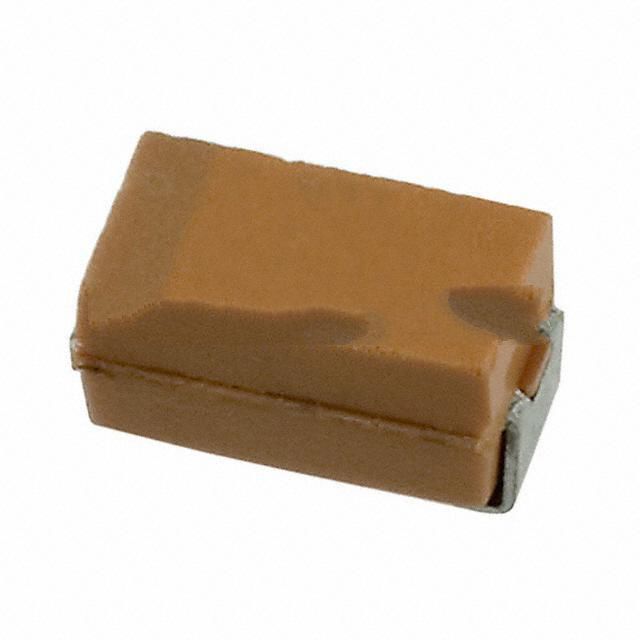
|
| Category | Tantalum Capacitors | Tantalum Capacitors |
| Manufacturer | KEMET | KYOCERA AVX |
| Description | CAP TANT 4.7UF 10% 10V 1206 | CAP TANT 22UF 20% 10V 1206 |
| Package | Cut Tape (CT) | -Reel® |
| Series | T498 | TAJ |
| Type | Molded | Molded |
| Features | Automotive | General Purpose |
| Operating Temperature | -55°C ~ 150°C | -55°C ~ 125°C |
| Mounting Type | Surface Mount | Surface Mount |
| Package / Case | 1206 (3216 Metric) | 1206 (3216 Metric) |
| Tolerance | ±10% | ±20% |
| Size / Dimension | 0.126" L x 0.063" W (3.20mm x 1.60mm) | 0.126" L x 0.063" W (3.20mm x 1.60mm) |
| Voltage - Rated | 10 V | 10 V |
| Lead Spacing | - | - |
| Ratings | AEC-Q200 | - |
| Height - Seated (Max) | 0.063\" (1.60mm) | 0.071\" (1.80mm) |
| Capacitance | 4.7 µF | 22 µF |
| ESR (Equivalent Series Resistance) | 2.9Ohm | 3Ohm |
| Lifetime @ Temp. | 2000 Hrs @ 150°C | - |
| Failure Rate | - | - |
| Manufacturer Size Code | A | A |
-
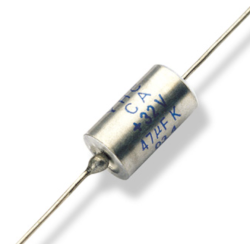
1. Difference between ordinary capacitors and tantalum capacitors
Material: Ordinary capacitors can be aluminum electrolytic capacitors, ceramic capacitors, etc.; while tantalum capacitors use metal tantalum as anode material.
Performance: Generally, tantalum capacitors have better temperature stability and higher capacity-to-volume ratio.
Application range: Due to its performance characteristics, tantalum capacitors are often used in miniaturized electronic products that require high reliability. -
2. Why are tantalum capacitors so expensive?
Tantalum ore resources are scarce and the mining cost is high.
The manufacturing process is complex and the yield is relatively low.
It has excellent electrical characteristics, making it indispensable in high-end applications. -
3. What is the expected life of tantalum capacitors?
Under normal circumstances, it can range from thousands of hours to tens of thousands of hours, depending on the working conditions and manufacturer specifications.
-
4. What causes tantalum capacitors to burn out?
Common causes include applying a voltage exceeding the maximum allowable value, excessive current, high ambient temperature, and manufacturing defects.
