
T540D337K006CH8510 vs F930J335MAA
| Part Number |
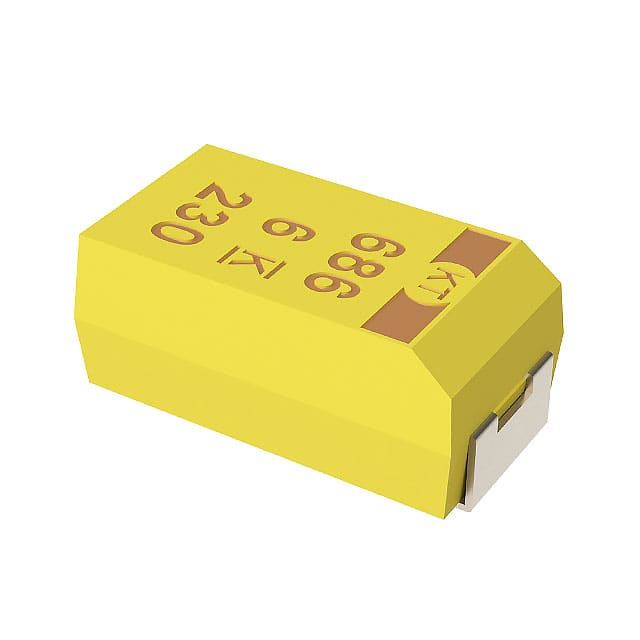
|
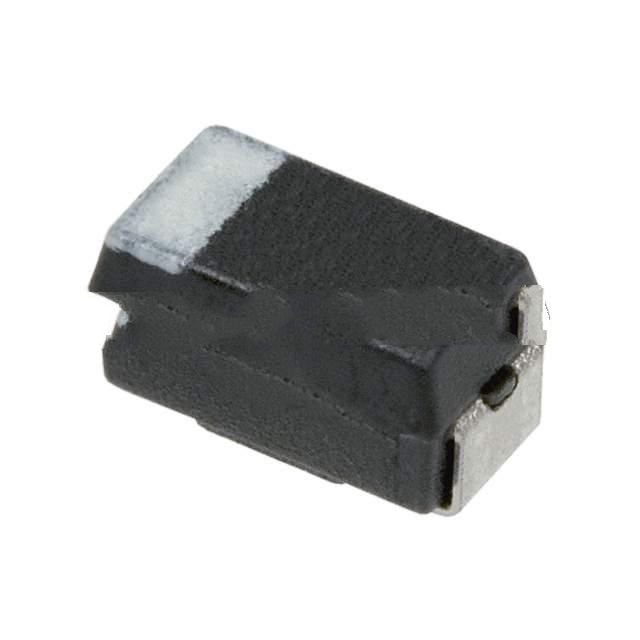
|
| Category | Tantalum - Polymer Capacitors | Tantalum Capacitors |
| Manufacturer | KEMET | KYOCERA AVX |
| Description | CAP TANT POLY 330UF 6.3V 2917 | CAP TANT 3.3UF 20% 6.3V 1206 |
| Package | Tape & Reel (TR) | Cut Tape (CT) |
| Series | KO-CAP® T540 | F93 |
| Type | Molded | Molded |
| Features | High Reliability | General Purpose |
| Operating Temperature | -55°C ~ 125°C | -55°C ~ 125°C |
| Mounting Type | Surface Mount | Surface Mount |
| Package / Case | 2917 (7343 Metric) | 1206 (3216 Metric) |
| Tolerance | ±10% | ±20% |
| Size / Dimension | 0.287" L x 0.169" W (7.30mm x 4.30mm) | 0.126" L x 0.063" W (3.20mm x 1.60mm) |
| Voltage - Rated | 6.3 V | 6.3 V |
| Lead Spacing | - | - |
| Ratings | COTS | - |
| Height - Seated (Max) | 0.122\" (3.10mm) | 0.071\" (1.80mm) |
| Capacitance | 330 µF | 3.3 µF |
| ESR (Equivalent Series Resistance) | 40mOhm @ 100kHz | - |
| Lifetime @ Temp. | 2000 Hrs @ 125°C | 2000 Hrs @ 125°C |
| Manufacturer Size Code | D | A |
| Failure Rate | - | - |
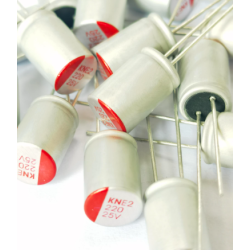
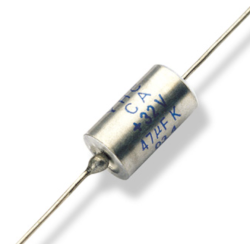
-
1. What are tantalum polymer capacitors?
Tantalum polymer capacitors are electrolytic capacitors that use metallic tantalum as the anode material and a conductive polymer (such as polypyrrole or polythiophene) as the cathode material. This design provides better performance than traditional aluminum electrolytic capacitors and solid tantalum capacitors, especially in high-frequency applications.
-
2. What are the disadvantages of tantalum polymer capacitors?
Higher cost: They are more expensive to produce than traditional aluminum electrolytic capacitors.
Lower withstand voltage: They are usually rated for lower working voltage than aluminum electrolytic capacitors of the same size.
Temperature sensitivity: They may not perform well in extreme temperatures, especially low temperatures.
Risk of physical damage: They may be damaged if subjected to mechanical stress or excessive current surges. -
3. What special precautions must be taken when installing tantalum polymer capacitors?
Ensure correct polarity connection: Incorrect polarity will cause immediate damage.
Pay attention to the operating temperature range: Avoid exceeding the recommended operating temperature range.
Protection during welding: Avoid overheating to protect components from damage.
ESD protection: Take appropriate anti-static measures during handling. -
4. What is the difference between wet and dry tantalum capacitors?
Wet: An early type of tantalum capacitor that contains a liquid electrolyte, which is less common now.
Dry: A modern version that uses a solid electrolyte (such as manganese dioxide or conductive polymer) for better stability and safety.
