
TDA7293HS vs TDA7376B
| Part Number |
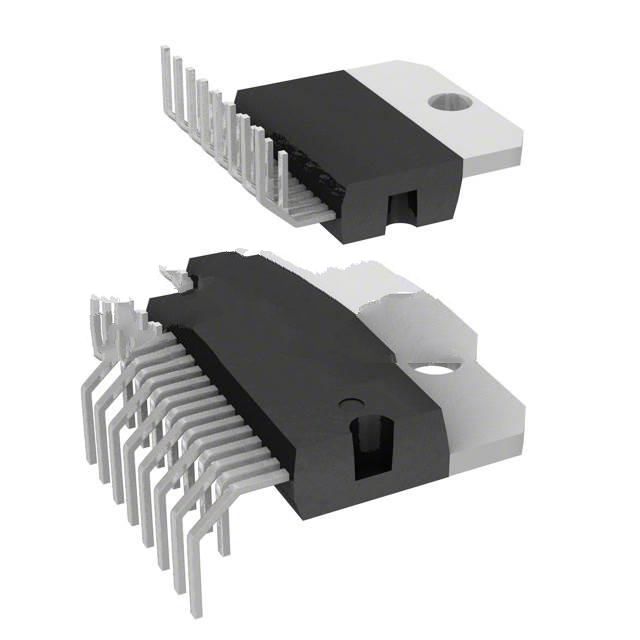
|
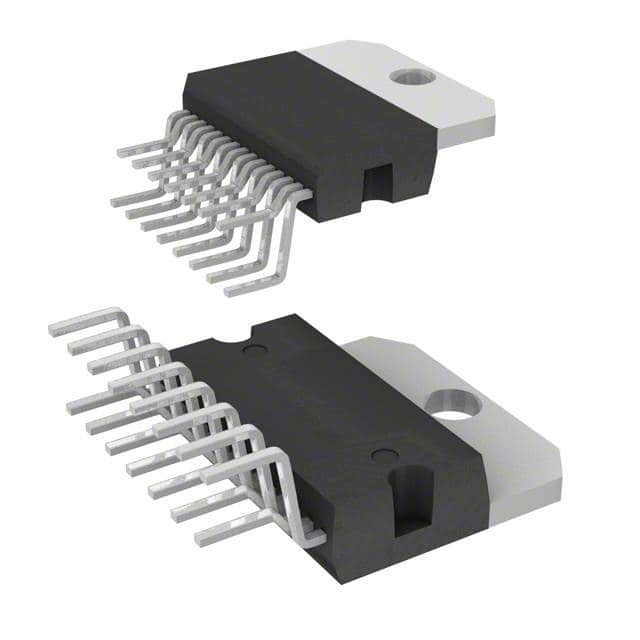
|
| Category | Linear - Amplifiers - Audio | Linear - Amplifiers - Audio |
| Manufacturer | STMicroelectronics | STMicroelectronics |
| Description | IC AMP AB MONO 100W 15MULTIWATT | IC AMP AB STEREO 40W 15MULTIWATT |
| Package | Tube | Tube |
| Series | - | - |
| Type | Class AB | Class AB |
| Features | Depop, Differential Inputs, Mute, Short-Circuit and Thermal Protection, Standby | Depop, Differential Inputs, Mute, Short-Circuit and Thermal Protection, Standby |
| Voltage - Supply | ±12V ~ 50V | 8V ~ 18V |
| Operating Temperature | 0°C ~ 70°C (TA) | -40°C ~ 105°C (TA) |
| Mounting Type | Through Hole | Through Hole |
| Package / Case | Multiwatt-15 (Horizontal, Bent and Staggered Leads) | Multiwatt-15 (Vertical, Bent and Staggered Leads) |
| Supplier Device Package | 15-Multiwatt | 15-Multiwatt |
| Output Type | 1-Channel (Mono) | 2-Channel (Stereo) |
| Max Output Power x Channels @ Load | 100W x 1 @ 4Ohm | 40W x 2 @ 4Ohm |
-
1. What is an audio amplifier and what does it do?
An audio amplifier is a device that amplifies an audio signal, such as music or speech, to a higher voltage or current level to drive speakers or headphones, ensuring that the sound remains clear and accurate when played at higher volumes.
-
2. What is a power amplifier and how is it different from an audio amplifier?
A power amplifier is a type of audio amplifier designed to drive high-power loads such as speakers. It is capable of amplifying audio signals to a sufficient power output to drive speakers to produce greater volume.
-
3. How to choose a suitable audio amplifier?
When choosing an audio amplifier, factors such as output power, total harmonic distortion (THD), signal-to-noise ratio (SNR), efficiency, impedance matching (speaker impedance), and power consumption should be taken into consideration to ensure that it is well-matched with the speakers and audio source equipment.
-
4. How can I improve the thermal performance of my audio amplifier?
Audio amplifiers generate heat when they operate, especially Class A and Class AB amplifiers. Ways to improve heat dissipation include using a larger heat sink, adding a fan, or using a more efficient Class D amplifier. A good thermal design will improve the performance and life of the amplifier.
