
TDA8783HL/C5,118 vs MAX138EQH+D
| Part Number |

|
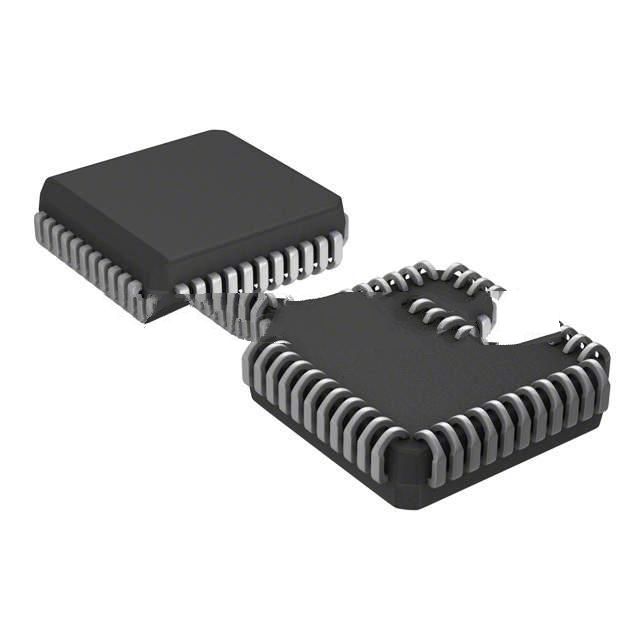
|
| Category | Data Acquisition - ADCs/DACs - Special Purpose | Data Acquisition - ADCs/DACs - Special Purpose |
| Manufacturer | NXP USA Inc. | Maxim Integrated |
| Description | IC ADC/VIDEO 10BIT 40M 48LQFP | IC ADC 3 1/2DIG W/LCD DVR 44PLCC |
| Package | -Reel® | 44-LCC (J-Lead) |
| Series | - | - |
| Type | ADC, Video | ADC |
| Voltage - Supply | 4.75V ~ 5.25V | 2.5 V ~ 7 V |
| Operating Temperature | -20°C ~ 75°C | -40°C ~ 85°C |
| Mounting Type | Surface Mount | Surface Mount |
| Package / Case | 48-LQFP | 44-LCC (J-Lead) |
| Supplier Device Package | 48-LQFP (7x7) | 44-PLCC (16.58x16.58) |
| Number of Channels | 1 | - |
| Resolution (Bits) | 10 b | 3.5 Jinftryt |
| Sampling Rate (Per Second) | 40M | - |
| Data Interface | Serial | - |
| Voltage Supply Source | Analog and Jinftrytal | Single Supply |
-
1. In which scenarios are special purpose DACs typically used?
Special purpose DACs are typically used for applications that require precise analog output, such as high fidelity audio systems, precise power control, laser modulators, analog signal generators, and control systems.
-
2. What communication interfaces do special purpose ADCs and DACs support?
Special purpose ADCs/DACs typically support multiple communication interfaces, including SPI, I2C, parallel interfaces, and UART, for data transmission with microcontrollers, DSPs, or other embedded systems.
-
3. How does the sampling rate of ADCs affect data acquisition performance?
The sampling rate determines how many times an ADC can read a signal per second. A higher sampling rate is suitable for high-speed signals or precise dynamic signal processing, while a lower sampling rate is suitable for collecting steady-state or slowly changing signals.
-
4. How to use special purpose ADCs and DACs in high noise environments?
In high noise environments, it is particularly important to choose ADCs and DACs with high signal-to-noise ratio (SNR) and good anti-interference design. Shielding and filtering techniques can also help reduce noise interference, ensuring accurate signal acquisition and output.
