
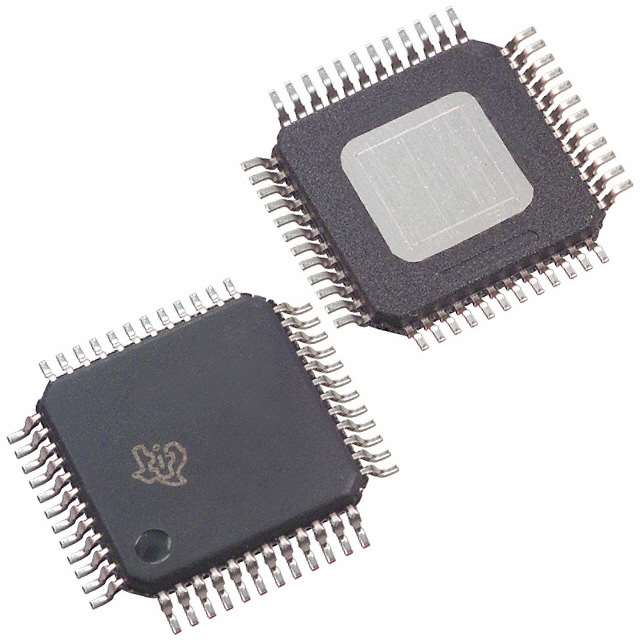
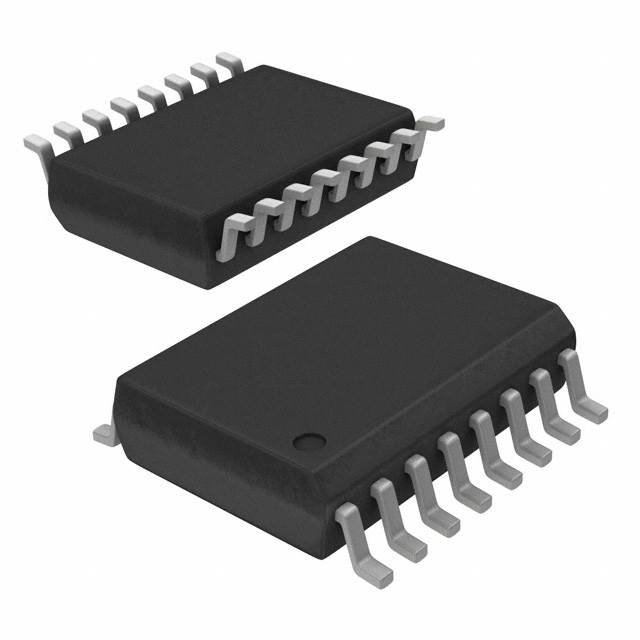
THS8135PHP vs AMC1304M25DW
| Part Number |
|
|
| Category | Data Acquisition - ADCs/DACs - Special Purpose | Data Acquisition - ADCs/DACs - Special Purpose |
| Manufacturer | Texas Instruments | Texas Instruments |
| Description | IC VIDEO DAC 10BIT 240M 48HTQFP | IC ISOLATED MOD 16BIT 78K 16SOIC |
| Package | Tray | Bulk |
| Series | - | - |
| Type | Video DAC | Isolated Module |
| Voltage - Supply | 1.65V ~ 2V, 3V ~ 3.6V | 3V ~ 5.5V |
| Operating Temperature | 0°C ~ 70°C | -40°C ~ 125°C |
| Mounting Type | Surface Mount | Surface Mount |
| Package / Case | 48-PowerTQFP | 16-SOIC (0.295\", 7.50mm Width) |
| Supplier Device Package | 48-HTQFP (7x7) | 16-SOIC |
| Number of Channels | 3 | 1 |
| Resolution (Bits) | 10 b | 16 b |
| Sampling Rate (Per Second) | 240M | 78k |
| Data Interface | Parallel | CMOS, Serial |
| Voltage Supply Source | Analog and Jinftrytal | Single Supply |
-
1. What are special purpose ADCs and DACs?
Special purpose ADCs (analog-to-digital converters) and DACs (digital to analog converters) are converters designed for specific applications, with optimized performance such as higher resolution, speed, or special features, suitable for specific industries or application needs, such as medical, automotive, or industrial control.
-
2. What are the differences between special-purpose ADCs and DACs and conventional converters?
Special purpose ADCs/DACs are optimized in terms of speed, accuracy, power consumption, or anti-interference, and are suitable for applications that require very high performance or specific functionality, while conventional converters are generally used in general scenarios.
-
3. What is the resolution of ADC for special purposes?
Special purpose ADCs typically have high resolutions, reaching 16 bit, 24 bit, or even higher, to meet high-precision data acquisition requirements, such as high-resolution applications for medical imaging or scientific measurement instruments.
-
4. What communication interfaces do special purpose ADCs and DACs support?
Special purpose ADCs/DACs typically support multiple communication interfaces, including SPI, I2C, parallel interfaces, and UART, for data transmission with microcontrollers, DSPs, or other embedded systems.
