
THS8135PHP vs CS5341-CZZ
| Part Number |
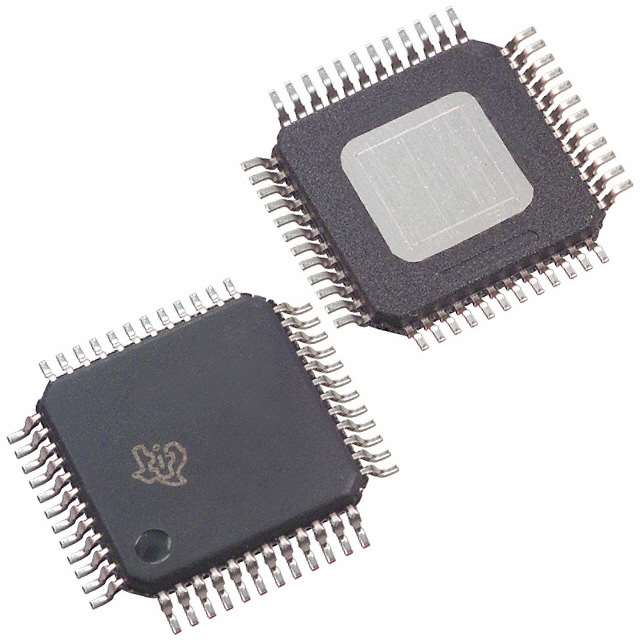
|
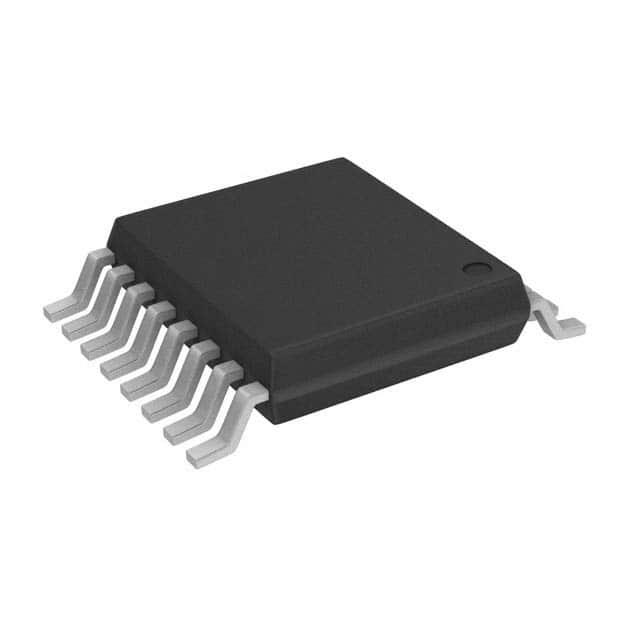
|
| Category | Data Acquisition - ADCs/DACs - Special Purpose | Data Acquisition - ADCs/DACs - Special Purpose |
| Manufacturer | Texas Instruments | Cirrus Logic Inc. |
| Description | IC VIDEO DAC 10BIT 240M 48HTQFP | IC ADC/AUDIO 24BIT 192K 16TSSOP |
| Package | Tray | Cut Tape (CT) |
| Series | - | - |
| Type | Video DAC | ADC, Audio |
| Voltage - Supply | 1.65V ~ 2V, 3V ~ 3.6V | 3.1V ~ 5.25V |
| Operating Temperature | 0°C ~ 70°C | -10°C ~ 70°C |
| Mounting Type | Surface Mount | Surface Mount |
| Package / Case | 48-PowerTQFP | 16-TSSOP (0.173\", 4.40mm Width) |
| Supplier Device Package | 48-HTQFP (7x7) | 16-TSSOP |
| Number of Channels | 3 | 2 |
| Resolution (Bits) | 10 b | 24 b |
| Sampling Rate (Per Second) | 240M | 192k |
| Data Interface | Parallel | Serial |
| Voltage Supply Source | Analog and Jinftrytal | Analog and Jinftrytal |
-
1. What is the working principle of ADCs and DACs?
ADC converts analog signals (such as voltage) into digital signals (such as binary numbers), while DAC performs the opposite operation, converting digital signals into analog signals, typically used in devices that require analog output.
-
2. How to choose ADC/DAC suitable for specific applications?
When selecting, consideration should be given to the resolution, sampling rate, signal-to-noise ratio, power consumption, number of input/output channels, linearity, operating temperature range, and whether it meets the standards or certification requirements of the target application.
-
3. What communication interfaces do special purpose ADCs and DACs support?
Special purpose ADCs/DACs typically support multiple communication interfaces, including SPI, I2C, parallel interfaces, and UART, for data transmission with microcontrollers, DSPs, or other embedded systems.
-
4. How to use special purpose ADCs and DACs in high noise environments?
In high noise environments, it is particularly important to choose ADCs and DACs with high signal-to-noise ratio (SNR) and good anti-interference design. Shielding and filtering techniques can also help reduce noise interference, ensuring accurate signal acquisition and output.
