
TR1619PMS1NB vs UTS7124S
| Part Number |

|
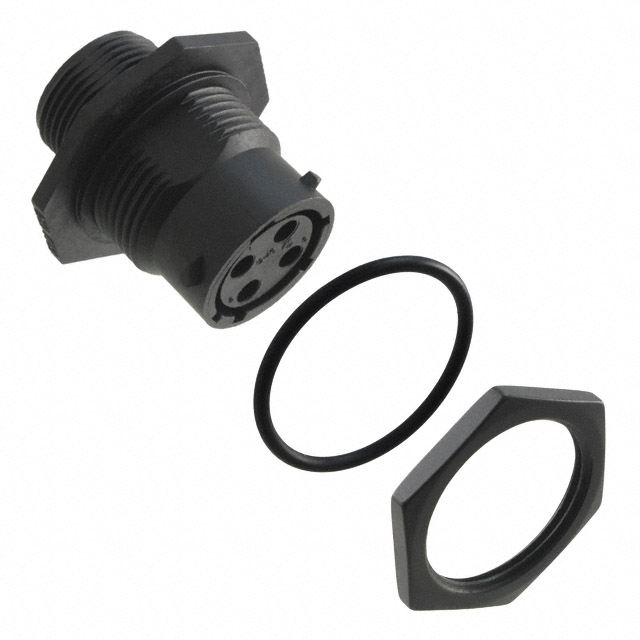
|
| Category | Circular Connectors - Housings | Circular Connectors - Housings |
| Manufacturer | ITT Cannon, LLC | Souriau-Sunbank by Eaton |
| Description | CONN PLUG HSG MALE 19POS INLINE | CONN RCPT HSG FMALE 4POS PNL MT |
| Package | - | - |
| Series | Trident Ringlock (TR) | Trim Trio? UTS |
| Type | For Male Pins | For Female Sockets |
| Features | Coupling Nut | - |
| Mounting Type | Free Hanging (In-Line) | Panel Mount |
| Orientation | Keyed | N (Normal) |
| Number of Positions | 19 | 4 (3 + PE) |
| Connector Type | Plug Housing | Receptacle Housing |
| Shielding | Unshielded | Unshielded |
| Contact Type | Crimp and Solder Cup | Crimp |
| Shell Size - Insert | 16-19 | 12-4 |
| Fastening Type | Detent Lock | Bayonet Lock |
| Shell Material | Polyamide (PA), Nylon | Thermoplastic |
| Housing Color | Black | Black |
| Material Flammability Rating | UL94 V-0 | UL94 V-0 |
| Ingress Protection | - | IP67/69K - Dust Tight, Water Resistant, Waterproof |
| Mounting Feature | - | Bulkhead - Front Side Nut |
| Contact Size | - | 16 |
-
1. Does the circular connector housing have shielding function?
Some metal casings provide electromagnetic shielding (EMI/RFI) for high-frequency signal transmission applications to prevent electromagnetic interference.
-
2. What is the temperature range of the circular connector housing?
The operating temperature range of the casing depends on the material used. Metal casings typically operate within the range of -55 ° C to+125 ° C, while plastic casings may be suitable for lower temperature ranges.
-
3. How to maintain the circular connector housing?
Regularly inspect the surface of the casing for wear or corrosion, ensuring that the seals are intact and kept clean. If necessary, aging or damaged casings and seals should be replaced in a timely manner.
-
4. How to choose the cable entry for the circular connector housing?
The size of the cable entry for the casing should be selected based on the diameter of the cable used, ensuring that the cable can be tightly clamped after passing through the entry to prevent tension from affecting the internal connection points of the connector.
