
TRF37B32IRTVT vs HMC1040LP3CETR
| Part Number |
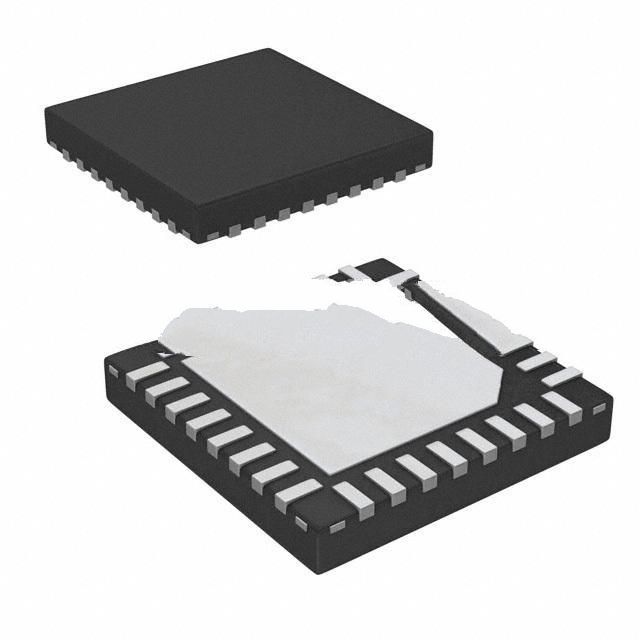
|

|
| Category | RF Amplifiers | RF Amplifiers |
| Manufacturer | Texas Instruments | Analog Devices Inc. |
| Description | RF AMP 12DB GAIN 32WQFN | IC MMIC LNA GAAS 16SMD |
| Package | 32-WFQFN Exposed Pad | 16-VFQFN Exposed Pad |
| Series | - | - |
| Voltage - Supply | 3.15 V ~ 3.45 V | 2.5V |
| Package / Case | 32-WFQFN Exposed Pad | 16-VFQFN Exposed Pad |
| Supplier Device Package | 32-WQFN (5x5) | 16-SMT (3x3) |
| Current - Supply | 280mA | 70mA |
| Frequency | 700MHz ~ 2.7GHz | 24GHz ~ 43.5GHz |
| P1dB | 11dBm | 12dBm |
| Gain | 9.6dB | 25dB |
| Noise Figure | 9.5dB | 2.7dB |
| RF Type | GSM, LTE, W-CDMA | VSAT |
| Test Frequency | 950MHz | 24GHz ~ 27GHz |
-
1. What is an RF amplifier, and what does it do?
RF amplifiers increase the strength of radio frequency signals for various applications, such as broadcasting, communication systems, and signal processing.
-
2. What is the difference between a power amplifier and a low-noise amplifier?
Power amplifiers maximize signal power for transmission, while low-noise amplifiers are used in receivers to amplify weak signals with minimal noise.
-
3. What factors should be considered when selecting an RF amplifier?
Important considerations include gain, noise figure, bandwidth, linearity, efficiency, and the specific application requirements.
-
4. How do envelope tracking amplifiers improve efficiency?
Envelope tracking dynamically adjusts the power supply voltage according to the signal's envelope, optimizing energy usage for signals with high peak-to-average ratios.
