
TZQ5244B-GS18 vs TZQ5240B-GS18
| Part Number |
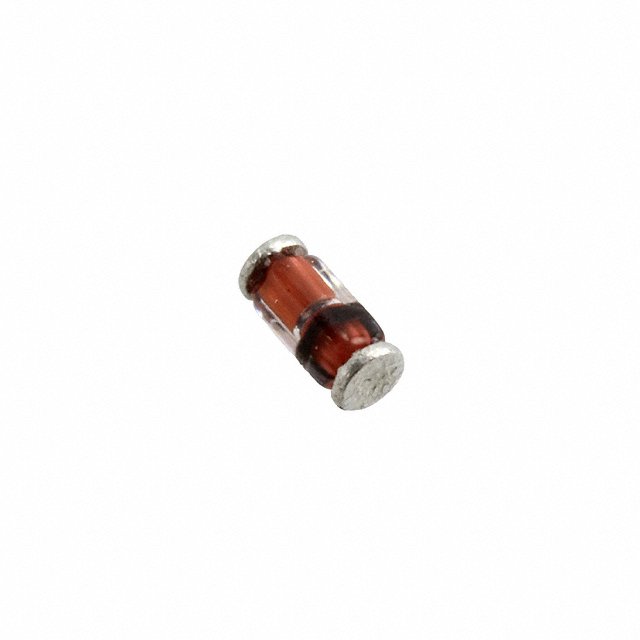
|
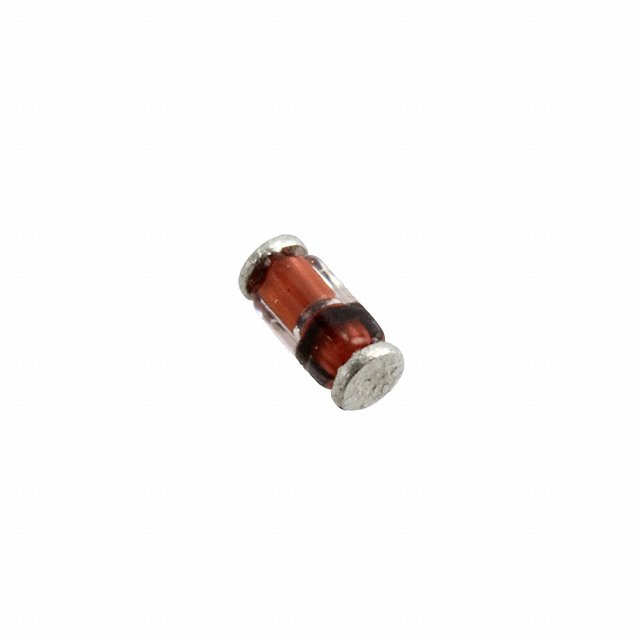
|
| Category | Diodes - Zener - Single | Diodes - Zener - Single |
| Manufacturer | Vishay Semiconductor - Diodes Division | Vishay Semiconductor - Diodes Division |
| Description | DIODE ZENER 14V 500MW SOD80 | DIODE ZENER 10V 500MW SOD80 |
| Package | Tape & Reel (TR) | -Reel® |
| Series | Automotive, AEC-Q101 | Automotive, AEC-Q101 |
| Operating Temperature | -65°C ~ 175°C | -65°C ~ 175°C |
| Mounting Type | Surface Mount | Surface Mount |
| Package / Case | SOD-80 Variant | SOD-80 Variant |
| Supplier Device Package | SOD-80 QuadroMELF | SOD-80 QuadroMELF |
| Tolerance | ±5% | ±5% |
| Power - Max | 500 mW | 500 mW |
| Voltage - Forward (Vf) (Max) @ If | 1.5 V @ 200 mA | 1.5 V @ 200 mA |
| Current - Reverse Leakage @ Vr | 100 nA @ 10 V | 3 µA @ 8 V |
| Voltage - Zener (Nom) (Vz) | 14 V | 10 V |
| Impedance (Max) (Zzt) | 15 Ohms | 17 Ohms |
-
1. Can 2 Zener diodes be connected in series?
Yes, two or more Zener diodes can be used in series to obtain higher stable voltage values. But pay attention to the power rating and heat dissipation of each diode.
-
2. What is the difference between a Zener diode and a Schottky diode?
Schottky diodes have a low forward voltage drop and fast switching speed, making them suitable for high-frequency applications. In contrast, Zener diodes are mainly used for voltage regulation and voltage stabilization.
-
3. What are the disadvantages of Zener diodes?
Disadvantages include relatively high power consumption, sensitivity to temperature, and the need for proper heat dissipation.
-
4. What happens if a Zener diode is connected in reverse?
When a Zener diode is properly connected in reverse and a sufficient reverse voltage is applied to exceed its Zener voltage, it will begin to conduct and remain at a relatively constant voltage level.
