
ULN2803ADWRG4 vs ZXTD09N50DE6TA
| Part Number |
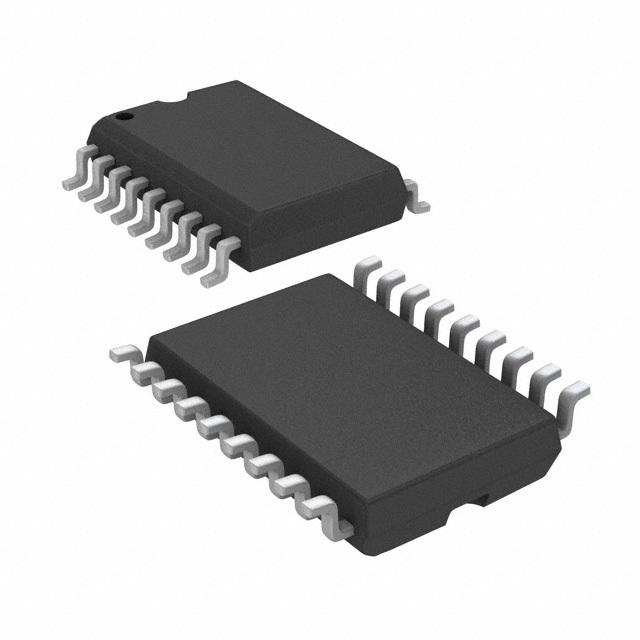
|
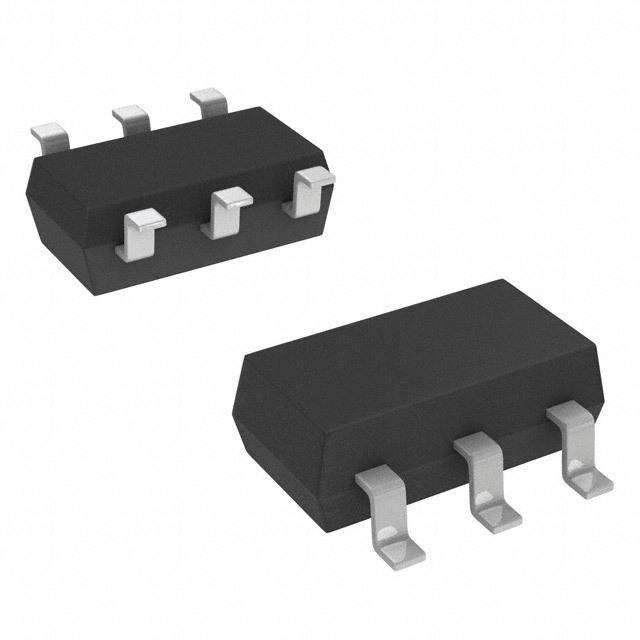
|
| Category | Transistors - Bipolar (BJT) - Arrays | Transistors - Bipolar (BJT) - Arrays |
| Manufacturer | Texas Instruments | Diodes Incorporated |
| Description | TRANS 8NPN DARL 50V 0.5A 18SOIC | TRANS 2NPN 50V 1A SOT23-6 |
| Package | Tape & Reel (TR) | Cut Tape (CT) |
| Series | Automotive, AEC-Q100 | - |
| Operating Temperature | -40°C ~ 85°C (TA) | -55°C ~ 150°C (TJ) |
| Mounting Type | Surface Mount | Surface Mount |
| Package / Case | 18-SOIC (0.295\", 7.50mm Width) | SOT-23-6 |
| Supplier Device Package | 18-SOIC | SOT-26 |
| Power - Max | - | 1.1W |
| Transistor Type | 8 NPN Darlington | 2 NPN (Dual) |
| Current - Collector (Ic) (Max) | 500mA | 1A |
| Voltage - Collector Emitter Breakdown (Max) | 50V | 50V |
| Vce Saturation (Max) @ Ib, Ic | 1.6V @ 500µA, 350mA | 270mV @ 50mA, 1A |
| Current - Collector Cutoff (Max) | - | 10nA |
| DC Current Gain (hFE) (Min) @ Ic, Vce | - | 200 @ 500mA, 2V |
| Frequency - Transition | - | 215MHz |
-
1. How does the thermal coupling affect BJT arrays?
Thermal coupling ensures uniform behavior across transistors in the array, improving performance in applications like differential amplifiers.
-
2. What packages are BJT arrays available in?
Common packages include surface-mount types like SC-88, SOT-363, or TSSOP, which are compact and suitable for space-constrained designs.
-
3. How do BJT arrays compare to MOSFET arrays?
BJT arrays are preferred for applications requiring high current gain and faster switching, while MOSFETs are better for low-power and high-efficiency applications.
-
4. What are key specifications to consider when selecting a BJT array?
Important parameters include collector current (Ic), voltage rating (Vce), hFE (current gain), and thermal resistance for reliability in operation.
