
V3025SO28A+ vs CDP6818D
| Part Number |
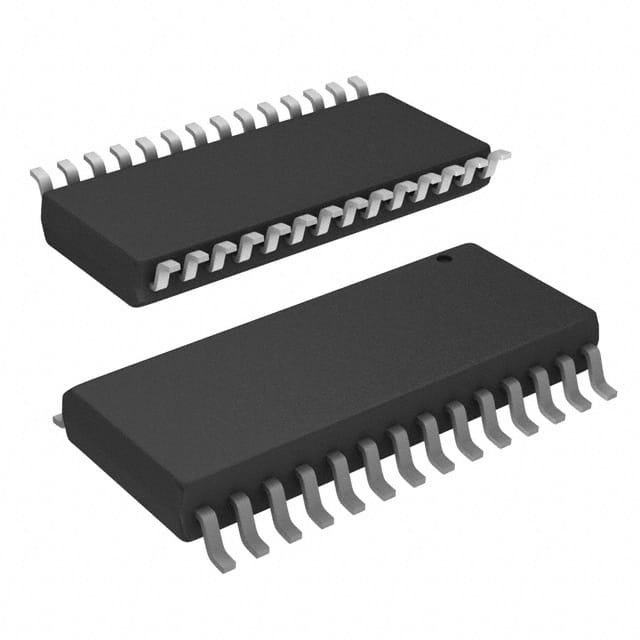
|
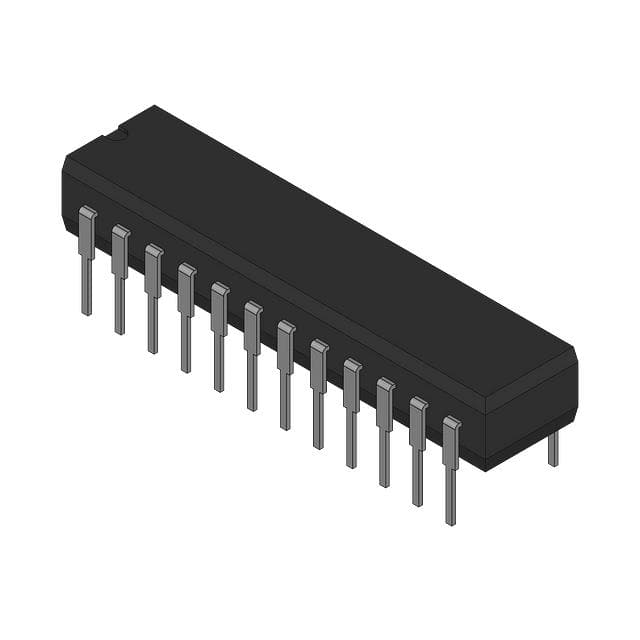
|
| Category | Clock/Timing - Real Time Clocks | Clock/Timing - Real Time Clocks |
| Manufacturer | EM Microelectronic | Harris Corporation |
| Description | VERY LOW POWER 8-BIT 32KHZ RTC M | CMOS REAL-TIME CLOCK WITH RAM |
| Package | Tube | Bulk |
| Series | - | - |
| Type | Clock/Calendar | - |
| Features | Alarm, Leap Year, RAM | - |
| Time Format | HH:MM:SS:hh (12/24 hr) | - |
| Date Format | YY-MM-DD-dd | - |
| Interface | - | - |
| Voltage - Supply | 2V ~ 5.5V | - |
| Current - Timekeeping (Max) | 15µA @ 5.5V | - |
| Operating Temperature | -40°C ~ 85°C (TA) | - |
| Mounting Type | Surface Mount | - |
| Package / Case | 28-SOIC (0.295\", 7.50mm Width) | - |
| Supplier Device Package | 28-SOIC | - |
| Memory Size | 8B | - |
| Voltage - Supply, Battery | - | - |
-
1. How does a real-time clock work?
RTC is usually driven by a low-power oscillator (such as a quartz crystal oscillator) and powered by an independent power source (such as a battery), which can continuously time even when the main power supply is off.
-
2. Why do devices require real-time clocks?
Real time clocks are used to record and maintain accurate time and date, especially in the event of equipment power failure. It is very important in applications that require timestamps, scheduled events, scheduled logs, and so on.
-
3. How accurate is the real-time clock?
The accuracy of RTC usually depends on the clock source used (such as a crystal oscillator), and most RTC accuracies range from a few seconds to a few minutes per month. For higher precision, a temperature compensated crystal oscillator (TCXO) can be used.
-
4. Can real-time clocks be used to set timers or alarms?
Yes, many RTC chips have built-in alarm functions that can trigger interrupts at set times to perform specific tasks or wake up the system.
