
VSSAF5N50-M3/6B vs V3PAL45-M3/I
| Part Number |
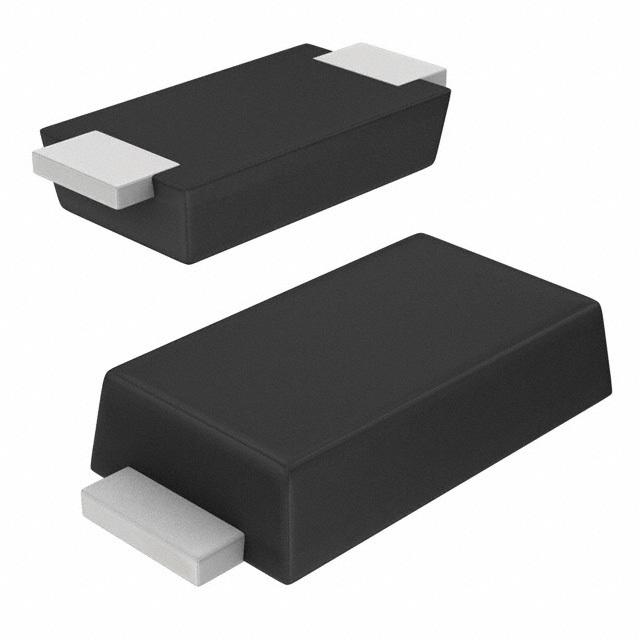
|
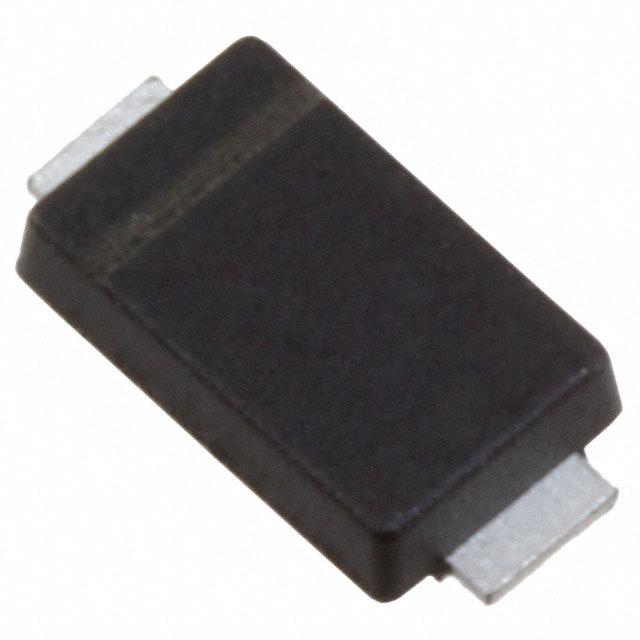
|
| Category | Diodes - Rectifiers - Single | Diodes - Rectifiers - Single |
| Manufacturer | Vishay Semiconductor - Diodes Division | Vishay Semiconductor - Diodes Division |
| Description | DIODE SCHOTTKY 50V 3A DO221AC | DIODE SCHOTTKY 3A 45V DO-221BC |
| Package | Tape & Reel (TR) | Tape & Reel (TR) |
| Series | TMBS®, SlimSMA™ | - |
| Mounting Type | Surface Mount | Surface Mount |
| Package / Case | DO-221AC, SMA Flat Leads | DO-221BC, SMA Flat Leads Exposed Pad |
| Supplier Device Package | DO-221AC (SlimSMA) | DO-221BC (SMPA) |
| Diode Type | Schottky | Schottky |
| Current - Average Rectified (Io) | 3A (DC) | 3A |
| Voltage - Forward (Vf) (Max) @ If | 410 mV @ 2.5 A | 540 mV @ 3 A |
| Current - Reverse Leakage @ Vr | 1.4 mA @ 50 V | 450 µA @ 45 V |
| Capacitance @ Vr, F | 850pF @ 4V, 1MHz | - |
| Voltage - DC Reverse (Vr) (Max) | 50 V | 45 V |
| Speed | Fast Recovery =< 500ns, > 200mA (Io) | Fast Recovery =< 500ns, > 200mA (Io) |
| Reverse Recovery Time (trr) | - | - |
| Operating Temperature - Junction | -40°C ~ 150°C | -40°C ~ 150°C |
-
1. How to choose the appropriate rectifier diode?
When making a choice, the following factors need to be considered:
Current capacity: Determine the maximum current that the diode needs to handle.
Reverse voltage: Ensure that the reverse voltage of the diode can withstand the highest voltage in the circuit.
Forward voltage drop: A lower forward voltage drop can improve circuit efficiency.
Recovery time: For high-frequency applications, choose fast recovery or Schottky diodes. -
2. What is the maximum reverse voltage (PIV) of a rectifier diode?
The Peak Inverse Voltage (PIV) is the maximum reverse voltage that a diode can withstand. When selecting a diode, the PIV must be higher than the maximum reverse voltage in the circuit, usually twice or more the input voltage.
-
3. Can a single rectifier diode be used for high-frequency applications?
Traditional silicon rectifier diodes are not suitable for high-frequency applications because their reverse recovery time is relatively long. For high-frequency applications, fast recovery diodes or Schottky diodes are typically used to reduce switching losses and improve efficiency.
-
4. How to improve the efficiency of rectifier diodes?
The use of Schottky diodes or fast recovery diodes can reduce forward voltage drop and reverse recovery time, thereby improving the efficiency of rectifier circuits, especially in high-frequency applications.
