
ZUMTS17HTA vs BFU725F,115
| Part Number |
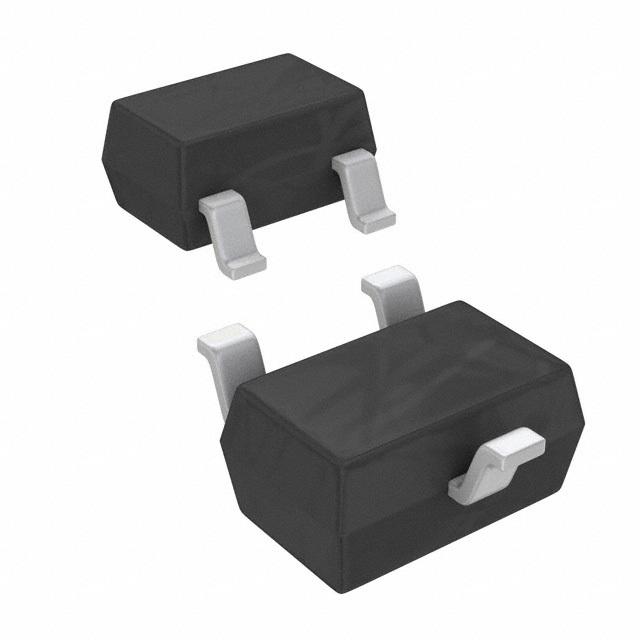
|
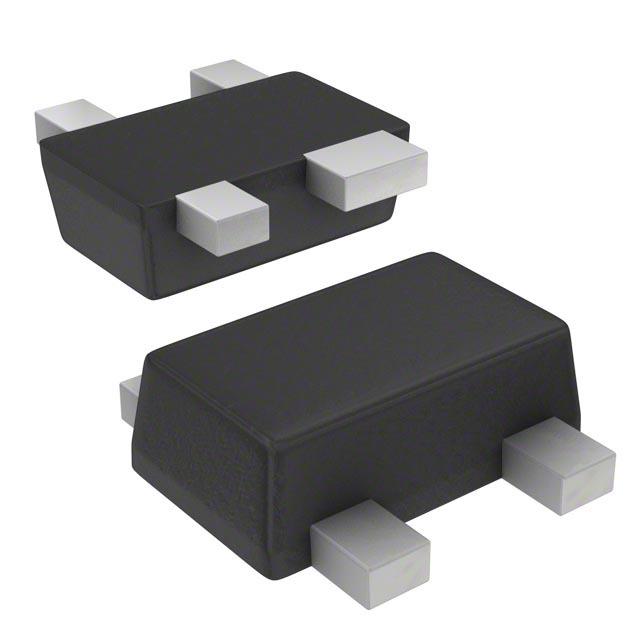
|
| Category | Transistors - Bipolar (BJT) - RF | Transistors - Bipolar (BJT) - RF |
| Manufacturer | Diodes Incorporated | NXP USA Inc. |
| Description | RF TRANS NPN 15V 1.3GHZ SOT323 | RF TRANS NPN 2.8V 70GHZ 4DFP |
| Package | Tape & Reel (TR) | Tray |
| Series | - | - |
| Operating Temperature | -55°C ~ 150°C (TJ) | 150°C (TJ) |
| Mounting Type | Surface Mount | Surface Mount |
| Package / Case | SC-70, SOT-323 | SOT-343F |
| Supplier Device Package | SOT-323 | 4-DFP |
| Gain | - | 10dB ~ 24dB |
| Power - Max | 330mW | 136mW |
| Transistor Type | NPN | NPN |
| Current - Collector (Ic) (Max) | 25mA | 40mA |
| Voltage - Collector Emitter Breakdown (Max) | 15V | 2.8V |
| DC Current Gain (hFE) (Min) @ Ic, Vce | 70 @ 2mA, 1V | 300 @ 10mA, 2V |
| Frequency - Transition | 1.3GHz | 70GHz |
| Noise Figure (dB Typ @ f) | 4.5dB @ 500MHz | 0.42dB ~ 1.1dB @ 1.5GHz ~ 12GHz |
-
1. What are RF BJTs used for?
RF BJTs are used in high-frequency applications, including amplifiers, oscillators, mixers, and RF front-end circuits in communication systems.
-
2. How do RF BJTs differ from standard BJTs?
RF BJTs are specifically optimized for high-frequency performance, featuring lower capacitance, faster transition times, and higher gain-bandwidth products compared to standard BJTs.
-
3. What are the common biasing techniques for RF BJTs?
Typical biasing methods include fixed bias, voltage-divider bias, and emitter-stabilized bias to ensure stability and proper operation at high frequencies.
-
4. What are some popular RF BJT models?
Commonly used RF BJTs include 2N3866, 2SC1971, BF199, and MPSH10, which are well-suited for various RF amplifier and oscillator designs.
