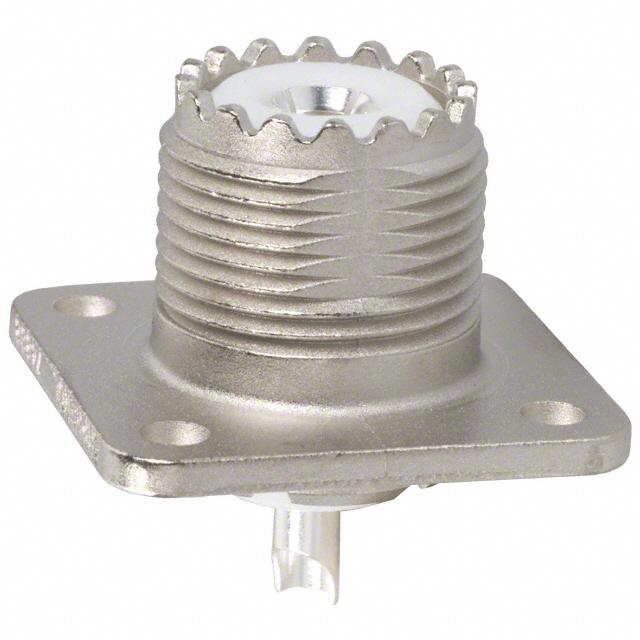
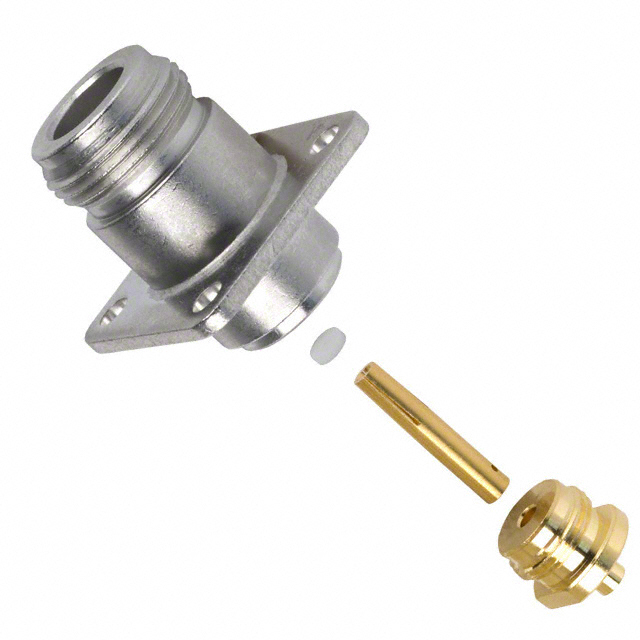
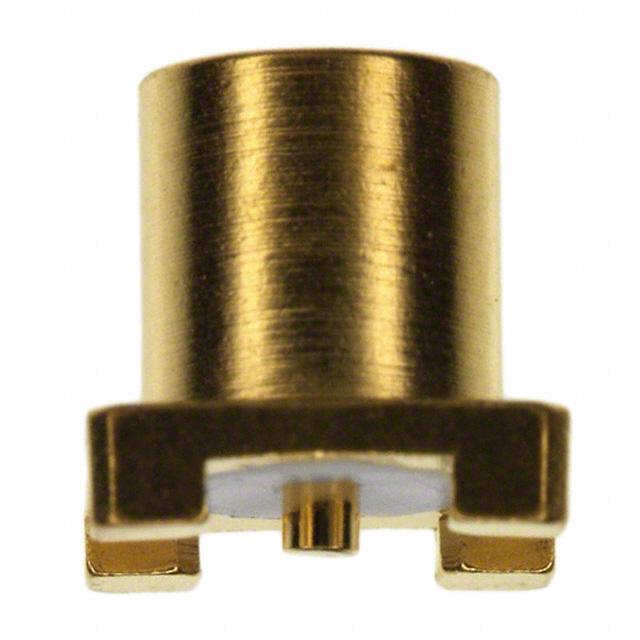
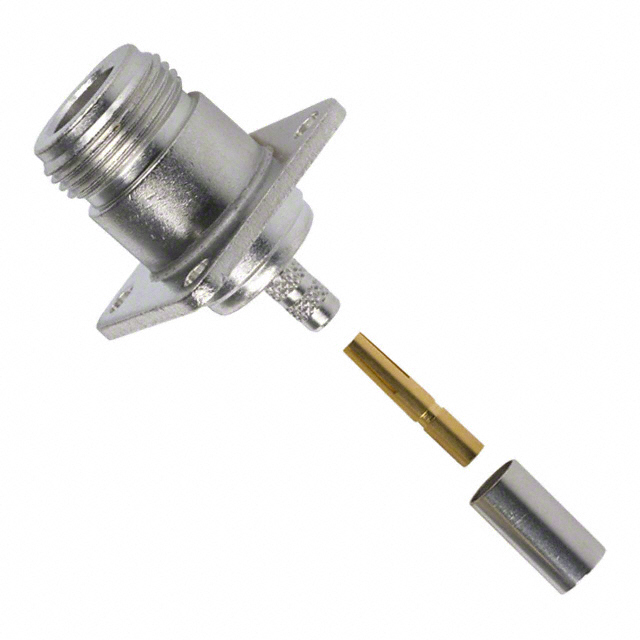
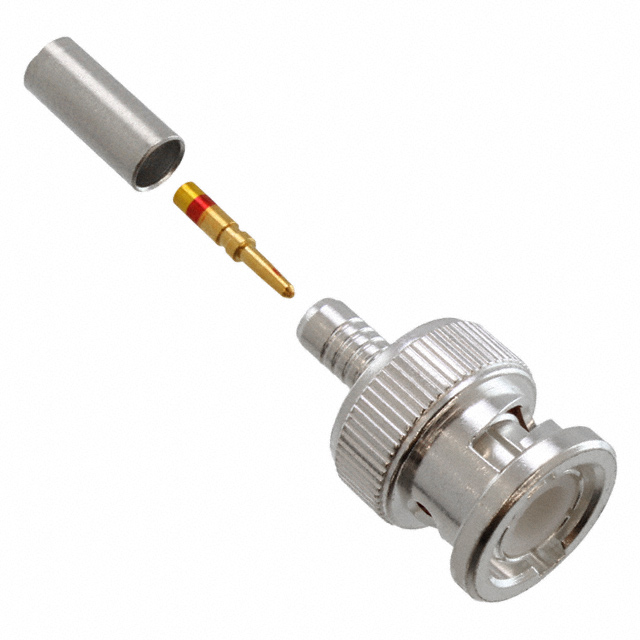
Amphenol RF 031-318-1001
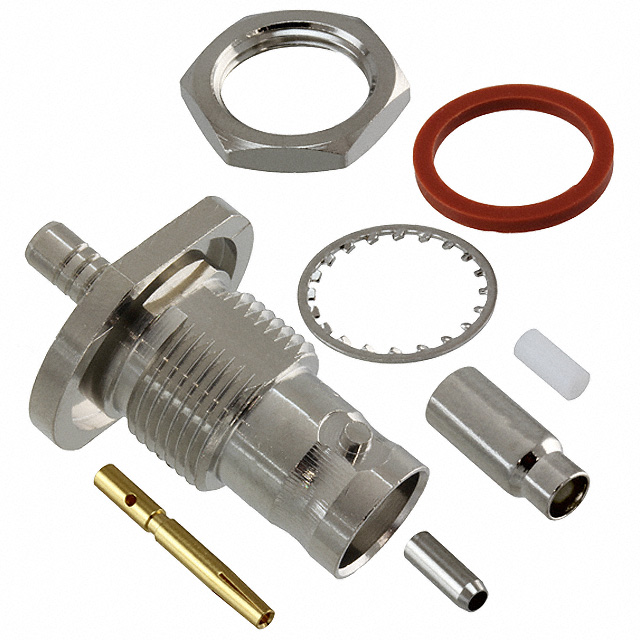
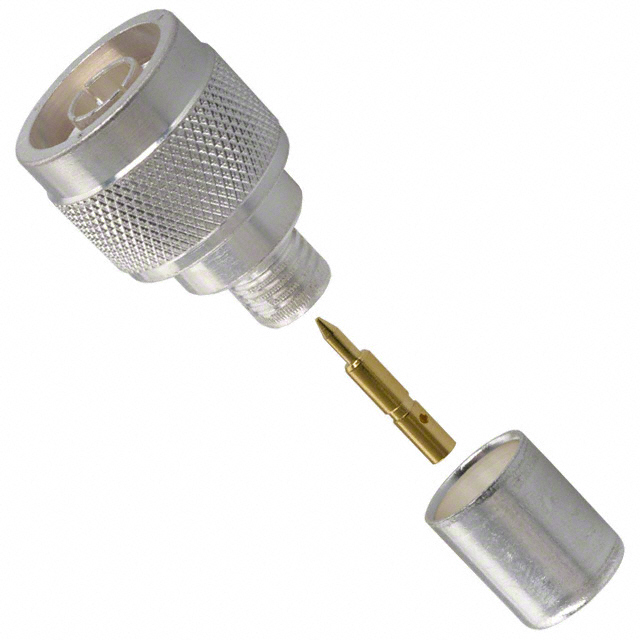
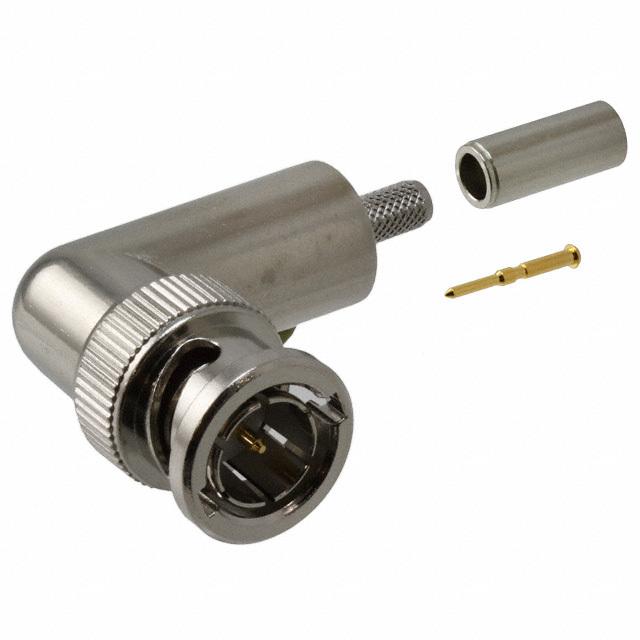
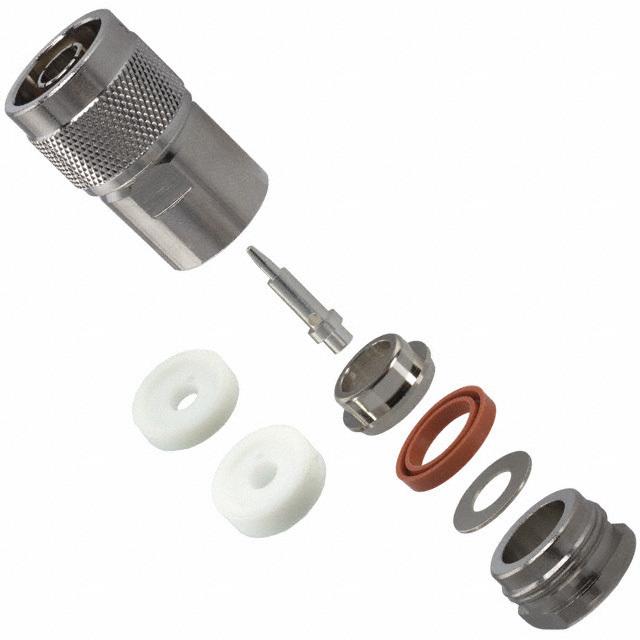
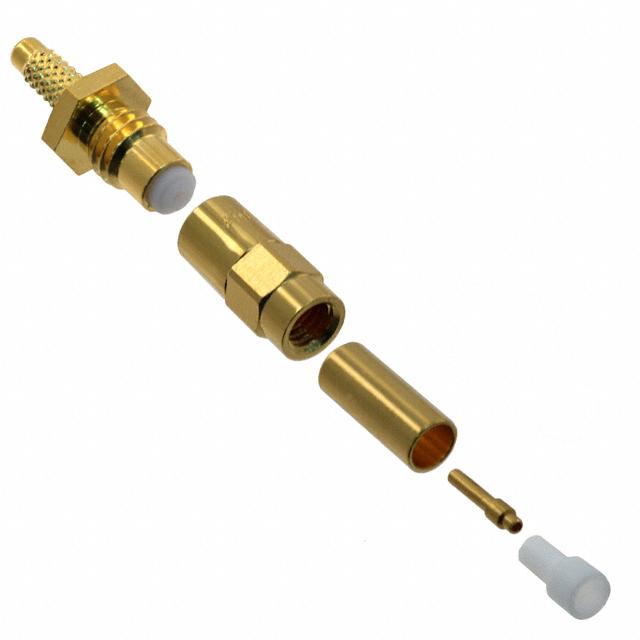
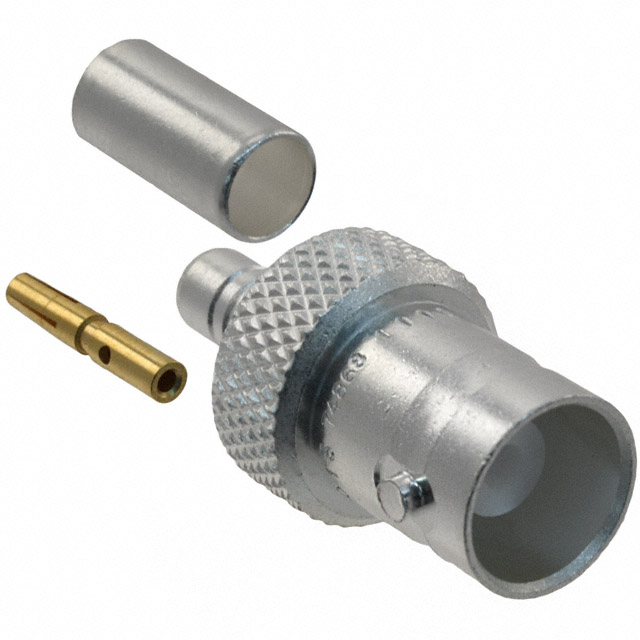
The picture is for reference only, please refer to the product specification
- 031-318-1001
- Amphenol RF
- CONN BNC JACK STR 50 OHM CRIMP
- Coaxial Connectors (RF)
- 031-318-1001 Datasheet
- -
- -
-
 Lead free / RoHS Compliant
 - 4113
- Spot Inventory / Athorized Dstributor / Factory Excess Stock
- 1 year quality assurance 》
- Click to get rates


What is 031-318-1001
Amphenol RF Part Number 031-318-1001(Coaxial Connectors (RF)), developed and manufactured by Amphenol RF, distributed globally by Jinftry. We distribute various electronic components from world-renowned brands and provide one-stop services, making us a trusted global electronic component distributor.
031-318-1001 is one of the part numbers distributed by Jinftry, and you can learn about its specifications/configurations, package/case, Datasheet, and other information here. Electronic components are affected by supply and demand, and prices fluctuate frequently. If you have a demand, please do not hesitate to send us an RFQ or email us immediately [email protected] Please inquire about the real-time unit price, Data Code, Lead time, payment terms, and any other information you would like to know. We will do our best to provide you with a quotation and reply as soon as possible.
031-318-1001 Specifications
- Part Number031-318-1001
- CategoryCoaxial Connectors (RF)
- ManufacturerAmphenol RF
- DescriptionCONN BNC JACK STR 50 OHM CRIMP
- Package-
- Series-
- Mounting TypePanel Mount
- Frequency - Max4GHz
- Impedance50 Ohm
- Mounting FeatureBulkhead - Front Side Nut
- Connector TypeJack, Female Socket
- Contact TerminationCrimp
- Connector StyleBNC
- Fastening TypeBayonet Lock
- Housing ColorSilver
- Shield TerminationCrimp
- Number of Ports1
- Cable GroupRG-179, 188, 316 Double Braid, M17/152-RD316
Application of 031-318-1001
031-318-1001 Datasheet
031-318-1001 Datasheet , Panel Mount,4GHz,50 Ohm,Bulkhead - Front Side Nut,Jack, Female Socket,Crimp,BNC,Bayonet Lock,Silver,Crimp,1,RG-179, 188, 316 Double Braid, M17/152-RD316
031-318-1001 Classification
Coaxial Connectors (RF)
FAQ about Coaxial Connectors (RF)
-
1. What is the difference between RF connectors and coaxial connectors?
Structure and performance indicators
There are significant differences between RF connectors and coaxial connectors in structure, application scenarios and performance indicators.
Structural differences
Coaxial connector: Coaxial connector consists of inner conductor, insulation layer, outer conductor and sheath. The inner conductor is used to connect the signal line, and the outer conductor not only serves as the ground wire of the signal line, but also acts as a shield against electromagnetic fields to prevent signal interference.
RF connector: RF connector usually refers to RF coaxial connector, which is similar in structure to coaxial connector, but RF connector focuses more on the transmission of high-frequency signals, so it has higher requirements in material selection and manufacturing process. .
Differences in performance metrics
Characteristic impedance: Characteristic impedance is an important indicator of RF coaxial connectors, which determines the impedance type of the cable connected to it. The characteristic impedance is determined by the inner diameter of the outer conductor, the outer diameter of the inner conductor, and the dielectric constant of the medium between the inner and outer conductors.
Voltage standing wave ratio: The voltage standing wave ratio reflects the matching level of the connector and is an important parameter to measure the performance of the connector.
To sum up, coaxial connector focuses more on general signal transmission, while RF connector focuses on optimized transmission of high-frequency signals. Both have different emphasis on structure, application scenarios and performance indicators.
-
2. What is a coaxial plug used for?
The main uses of coaxial plugs include the following aspects:
Signal transmission: Coaxial plugs are used to connect both ends of coaxial cables to ensure that electrical signals can be transmitted stably between cables. It provides a stable and reliable connection, ensuring that signals can be transmitted efficiently from one device to another.
Shielding protection: When connecting to a coaxial cable, the coaxial plug can provide good shielding protection to prevent interference from external interference signals. This can reduce signal attenuation and distortion and improve the quality and reliability of signal transmission.
Connecting devices: Coaxial plugs can connect different types of devices such as televisions, modems, antennas, etc. It provides a standardized interface that enables various devices to connect and communicate easily.
Maintenance and replacement: Coaxial plugs are easy to install and replace, making maintenance and replacement of coaxial cables simple and convenient. When a coaxial cable needs to be replaced or repaired, only the connector needs to be replaced rather than the entire cable.
Application in avionics equipment: Coaxial plugs play an important role in avionics equipment and are used to connect various sensors, controllers, displays, computers and other equipment to achieve signal transmission and electrical connection between equipment. It can provide stable signal transmission and good anti-interference performance to ensure the normal operation of the equipment.
Application in communication systems: In aviation communication systems, coaxial plugs are used to connect antennas and transceivers to realize the transmission and reception of wireless signals. It can provide high-frequency transmission capabilities and good signal quality to ensure stable and reliable communication.
-
3. What is a coaxial F-type connector?
Coaxial RF connector, F-type connector
The coaxial F-type connector is a radio frequency coaxial connector, which is widely used in the fields of cable TV, satellite TV, cable TV modem and TV connection. It is characterized by threaded connection, convenient insertion, and stable performance. It is suitable for occasions with impedance matching requirements and non-matching occasions.
Definition and historical background
The F-type connector was first invented by Eric Winston in the early 1950s and became a common connection connector for VHF television antennas in the United States in the 1970s. Its characteristic impedance is 75 ohms, and the highest frequency can generally support 1GHz or 2.4GHz.
We are a professional PCB manufacturer who offers comprehensive PCB manufacturing services including: professional Ceramic PCB HDI PCB Heavy Copper PCB High-TG PCB High Speed PCB High Frequency PCB Metal Core PCB PCB fabrication and PCB assembly, providing fast turnaround prototypes for high-end products.



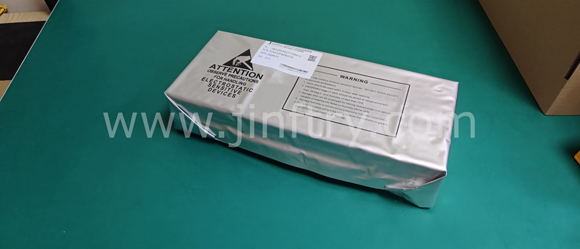
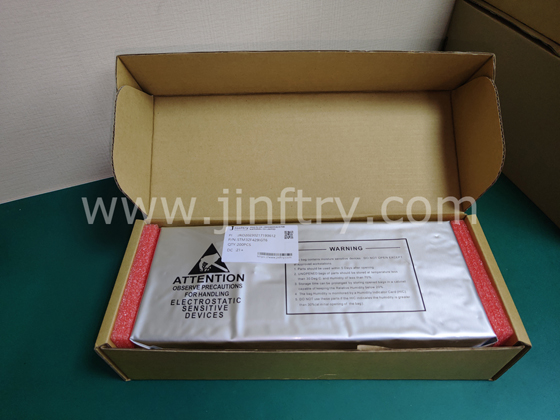
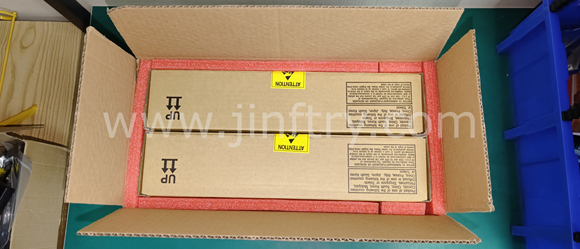
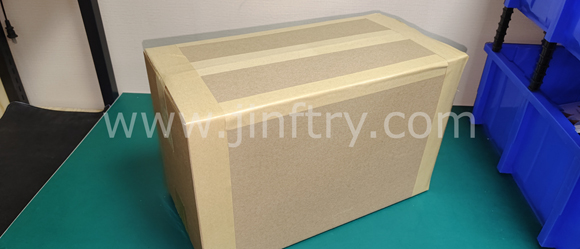
• Prompt Responsiveness
• Guaranteed Quality
• Global Access
• Competitive Market Price
• One-Stop support services of supply chain
Jinftry, Your most trustworthy component supplier, welcome to send us the inquiry, thank you!
Do you have any questions about 031-318-1001 ?
Feel free to contact us: