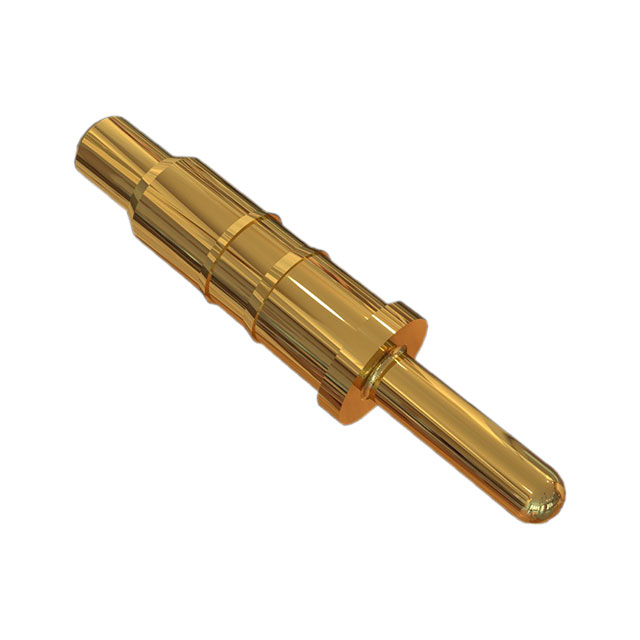
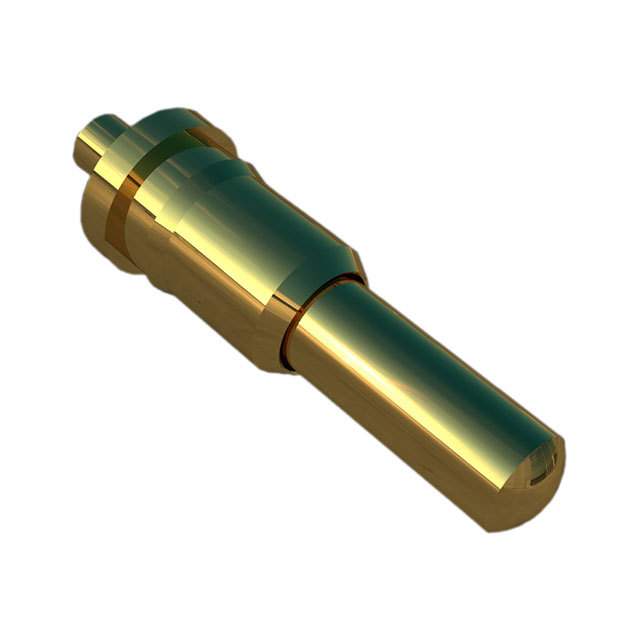
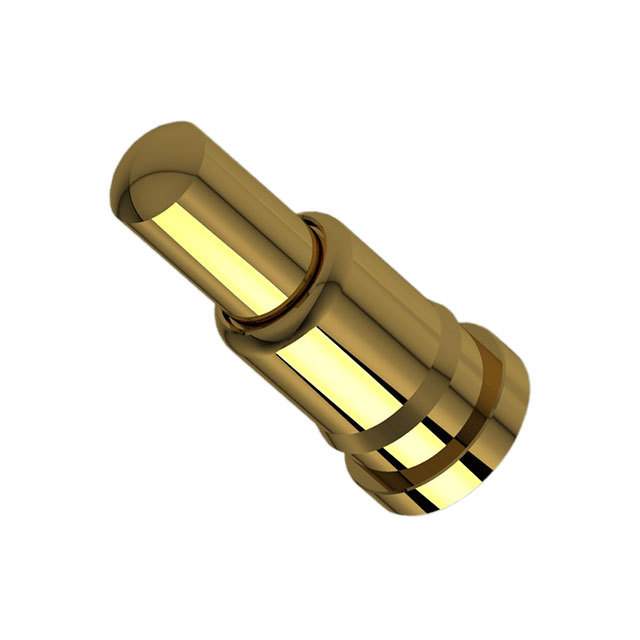
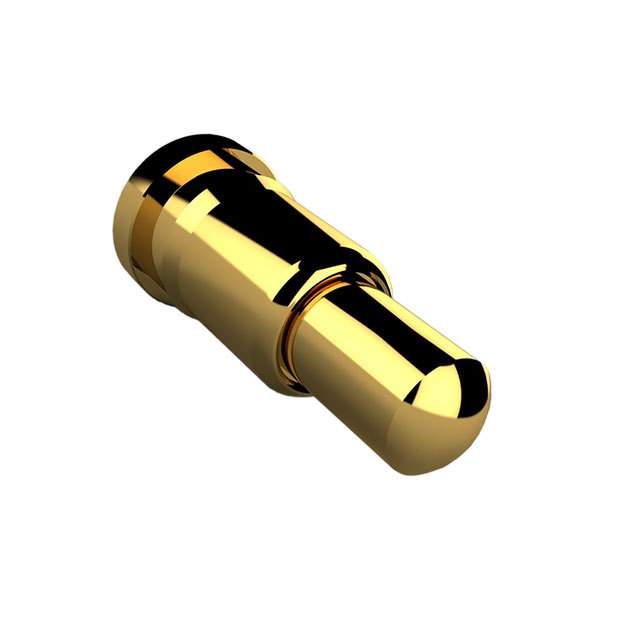
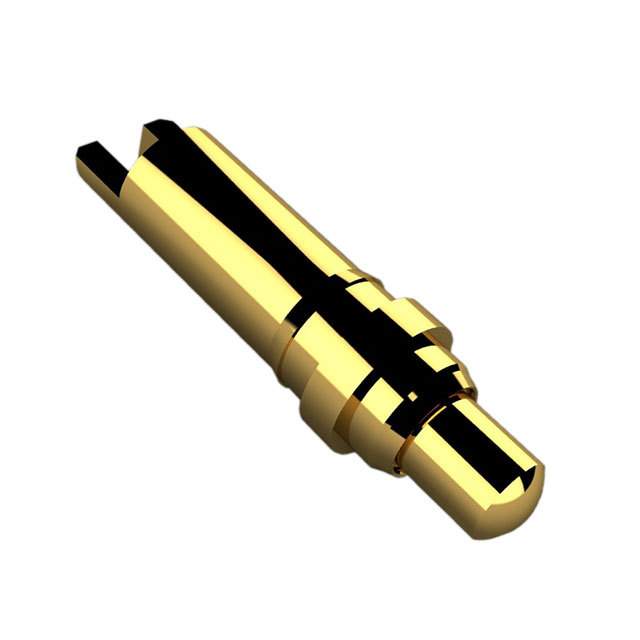
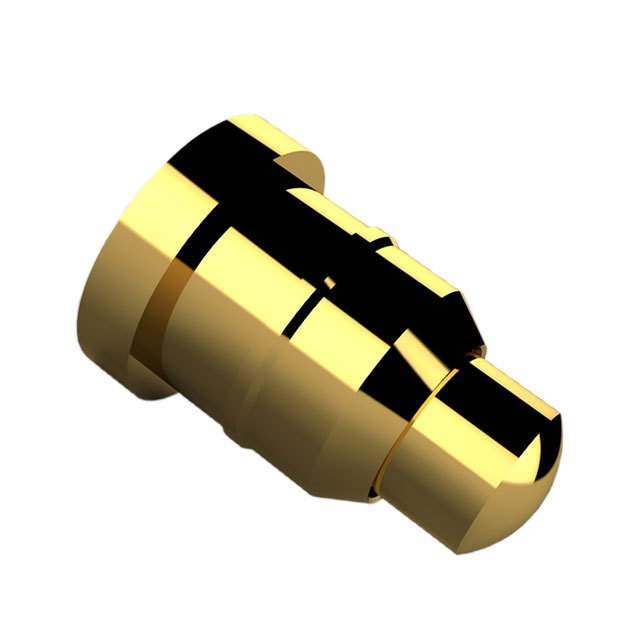
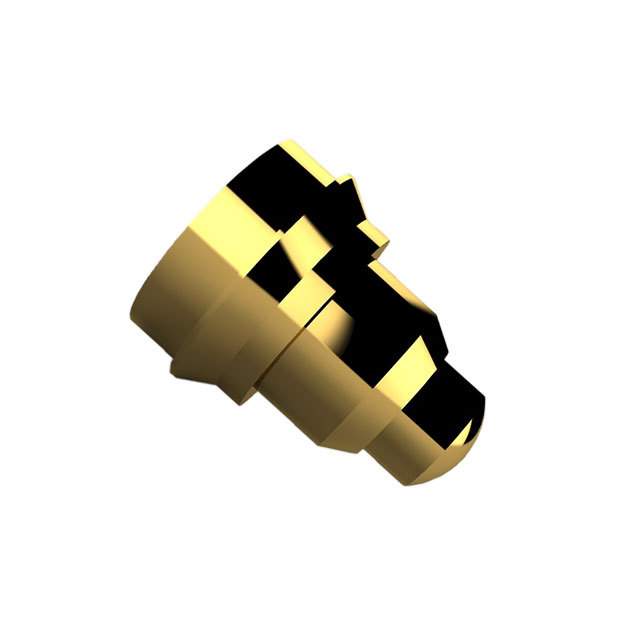
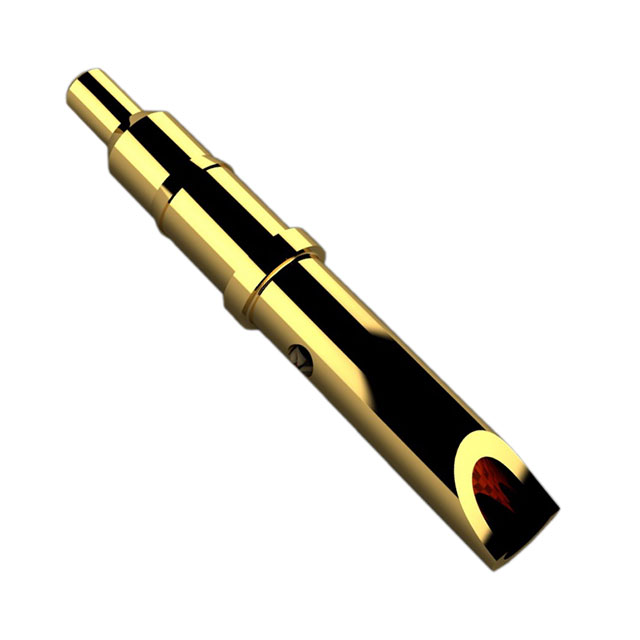
Preci-Dip 116-83-304-41-009101
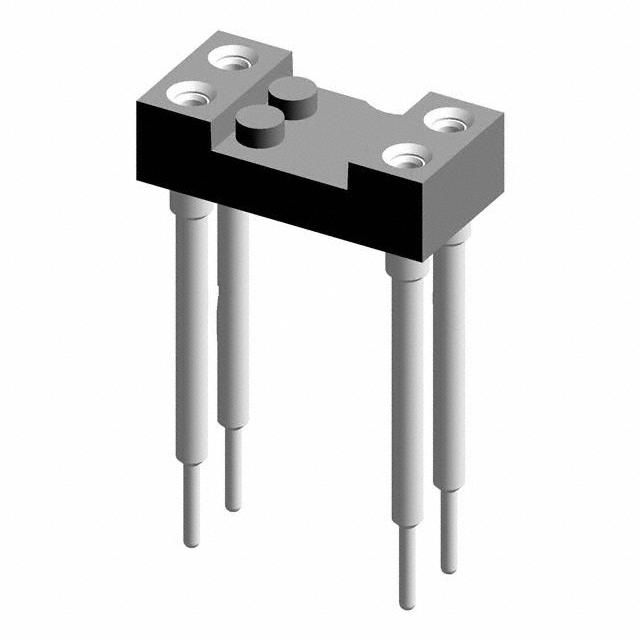
The picture is for reference only, please refer to the product specification
- 116-83-304-41-009101
- Preci-Dip
- CONN IC DIP SOCKET 4POS GOLD
- Sockets for ICs, Transistors
- 116-83-304-41-009101 Datasheet
- -
- -
-
 Lead free / RoHS Compliant
 - 2009
- Spot Inventory / Athorized Dstributor / Factory Excess Stock
- 1 year quality assurance 》
- Click to get rates


What is 116-83-304-41-009101
Preci-Dip Part Number 116-83-304-41-009101(Sockets for ICs, Transistors), developed and manufactured by Preci-Dip, distributed globally by Jinftry. We distribute various electronic components from world-renowned brands and provide one-stop services, making us a trusted global electronic component distributor.
116-83-304-41-009101 is one of the part numbers distributed by Jinftry, and you can learn about its specifications/configurations, package/case, Datasheet, and other information here. Electronic components are affected by supply and demand, and prices fluctuate frequently. If you have a demand, please do not hesitate to send us an RFQ or email us immediately [email protected] Please inquire about the real-time unit price, Data Code, Lead time, payment terms, and any other information you would like to know. We will do our best to provide you with a quotation and reply as soon as possible.
116-83-304-41-009101 Specifications
- Part Number116-83-304-41-009101
- CategorySockets for ICs, Transistors
- ManufacturerPreci-Dip
- DescriptionCONN IC DIP SOCKET 4POS GOLD
- Package-
- Series116
- TypeDIP, 0.3" (7.62mm) Row Spacing
- FeaturesElevated, Open Frame
- Operating Temperature-55°C ~ 125°C
- Mounting TypeThrough Hole
- TerminationSolder
- Housing MaterialPolycyclohexylenedimethylene Terephthalate (PCT), Polyester, Glass Filled
- Pitch - Mating0.100" (2.54mm)
- Contact Finish - MatingGold
- Contact Finish - PostTin
- Contact Finish Thickness - Mating29.5µin (0.75µm)
- Number of Positions or Pins (Grid)4 (2 x 2)
- Contact Material - MatingBeryllium Copper
- Pitch - Post0.100" (2.54mm)
- Contact Material - PostBrass
Application of 116-83-304-41-009101
116-83-304-41-009101 Datasheet
116-83-304-41-009101 Datasheet , 116,DIP, 0.3" (7.62mm) Row Spacing,Elevated, Open Frame,-55°C ~ 125°C,Through Hole,Solder,Polycyclohexylenedimethylene Terephthalate (PCT), Polyester, Glass Filled,0.100" (2.54mm),Gold,Tin,29.5µin
116-83-304-41-009101 Classification
Sockets for ICs, Transistors
FAQ about Sockets for ICs, Transistors
-
1. What is an IC socket?
An IC socket, or integrated circuit socket, is an electronic component used to be installed on a circuit board. Its main function is to insert and fix an integrated circuit (IC) chip. An IC socket is set in multiple cavities through multiple electrical contacts, so that the IC chip can be directly plugged in and out without the need to use a soldering iron for desoldering, thereby improving the flexibility of chip assembly and the convenience of repair and replacement.
Specifications and types of IC sockets
The specifications of IC sockets are diverse, and the common ones are 8, 16, 18, 20 pins and other specifications. In addition, the hole pitch of the IC socket is 2.54mm and 1.778mm, the shape is a round hole, and the arrangement is single row and double row. The number of pins ranges from 1 to 50P, and the exposed length of the PIN pin also has a variety of options, such as 7.43mm, 10.0mm, 12.2mm, 13.4mm and 17.8mm. -
2. Which IC package can be inserted into the socket?
DIP package (Dual Inline-pin Package) is an IC package that can be inserted into the socket. DIP package adopts dual inline form, and its number of pins generally does not exceed 100, which is suitable for small and medium-scale integrated circuits. This packaged IC has two rows of pins and needs to be inserted into a chip socket with a DIP structure, or it can be directly inserted into a circuit board with the same number of solder holes and geometric arrangement for soldering.
What is the use of transistors?
Transistors generally refer to all single components based on semiconductor materials. Transistors have multiple functions such as detection, rectification, amplification, switching, voltage regulation, signal modulation, etc. Transistors can be used for a variety of digital and analog functions.
On December 16, 1947, William Shockley, John Bardeen and Walter Brattain successfully created the first transistor at Bell Labs.
Transistors are one of the most critical components of modern electrical appliances. The reason why transistors can be used on a large scale is that they can be mass-produced at a very low unit cost.
-
3. What are PNP and NPN transistors?
PNP and NPN transistors are two basic types of transistors, which have significant differences in structure and current flow direction.
Definition and structure
NPN transistor: It is composed of two N-type semiconductor regions sandwiching a P-type semiconductor region, forming three main regions of emitter (E), base (B) and collector (C). This structure makes the NPN transistor behave in the circuit similar to two PN junction diodes connected back to back.
PNP transistor: It is composed of an N-type semiconductor material doped between two P-type semiconductor materials, and also has three regions of emitter, base and collector, but the current flow direction and carrier type are opposite to those of NPN.
Working Principle
NPN transistor: When a forward bias voltage is applied between the emitter and the base, the free electrons in the emitter can cross the PN junction into the base and recombine with the holes in the base to generate a base current. A reverse bias voltage is applied between the collector and the base to prevent further flow of current. When a small input signal is applied to the base, this signal changes the voltage between the base and the emitter, thereby affecting the injection of free electrons in the emitter and forming a collector current. Since the collector current is an amplification of the base current, the NPN transistor has an amplification effect.
PNP transistor: The working principle is similar to that of the NPN type, but the current flow direction and carrier type are opposite. Positive charge flows from the emitter of the P-type semiconductor to the base, a part of which is captured by the base electrons of the N-type semiconductor and becomes the base current, and most of the rest becomes the collector current.
We are a professional PCB manufacturer who offers comprehensive PCB manufacturing services including: professional Ceramic PCB HDI PCB Heavy Copper PCB High-TG PCB High Speed PCB High Frequency PCB Metal Core PCB PCB fabrication and PCB assembly, providing fast turnaround prototypes for high-end products.



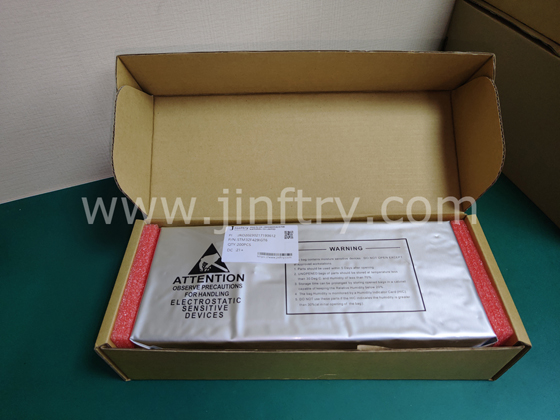
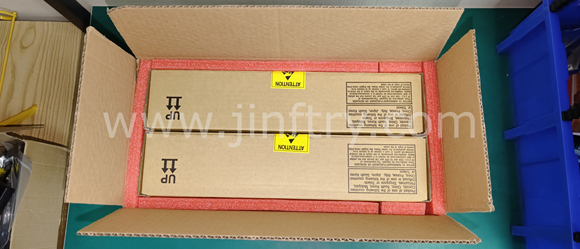
• Prompt Responsiveness
• Guaranteed Quality
• Global Access
• Competitive Market Price
• One-Stop support services of supply chain
Jinftry, Your most trustworthy component supplier, welcome to send us the inquiry, thank you!
Do you have any questions about 116-83-304-41-009101 ?
Feel free to contact us:
116-83-304-41-009101 Related Products

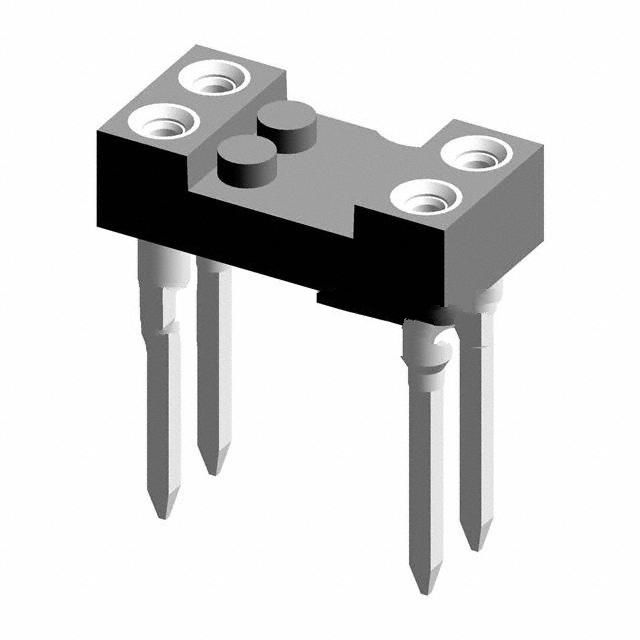
CONN IC DIP SOCKET 4POS GOLD

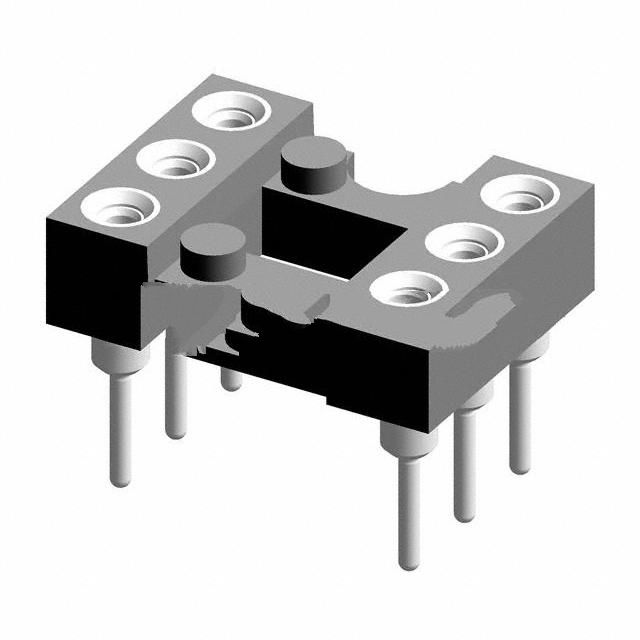
CONN IC DIP SOCKET 6POS GOLD
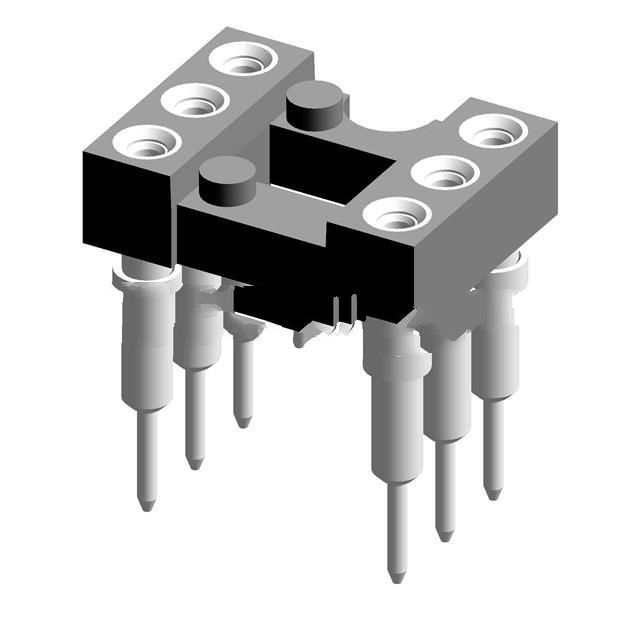
CONN IC DIP SOCKET 6POS GOLD
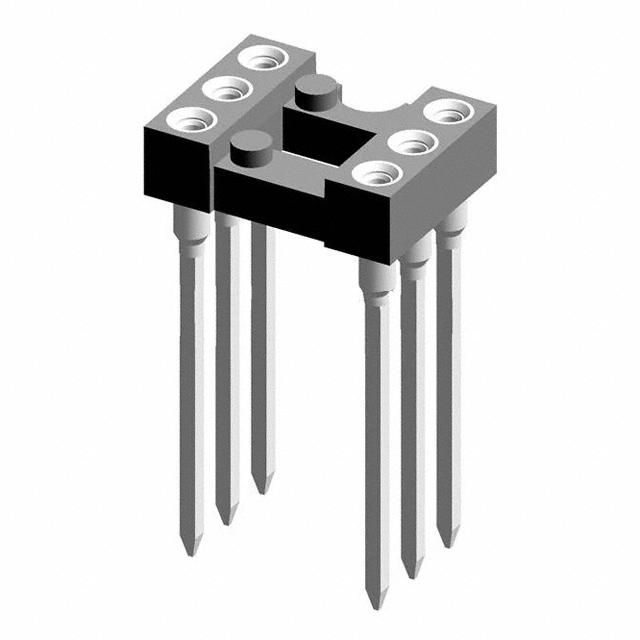
CONN IC DIP SOCKET 6POS GOLD
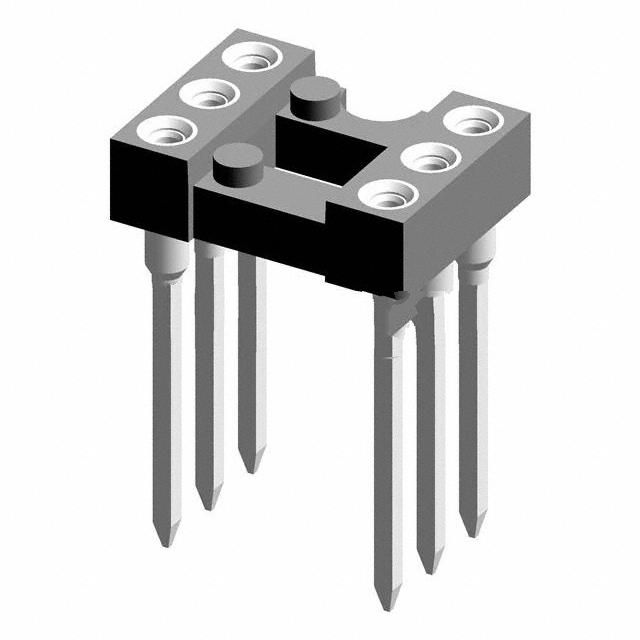
CONN IC DIP SOCKET 6POS GOLD