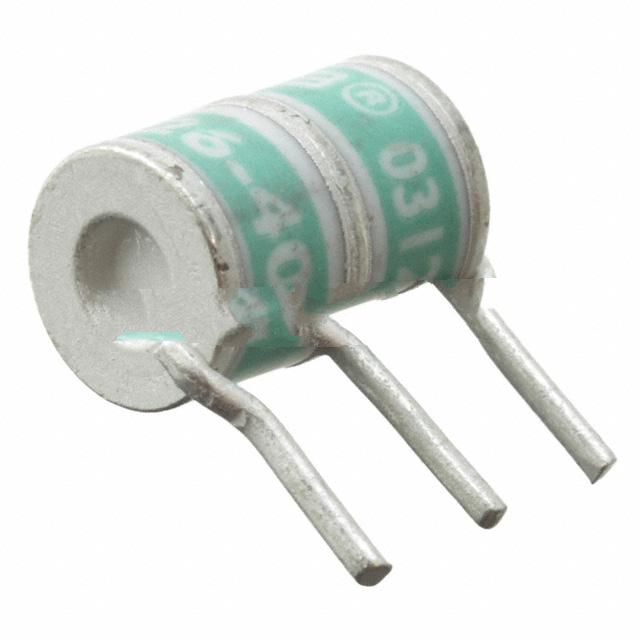
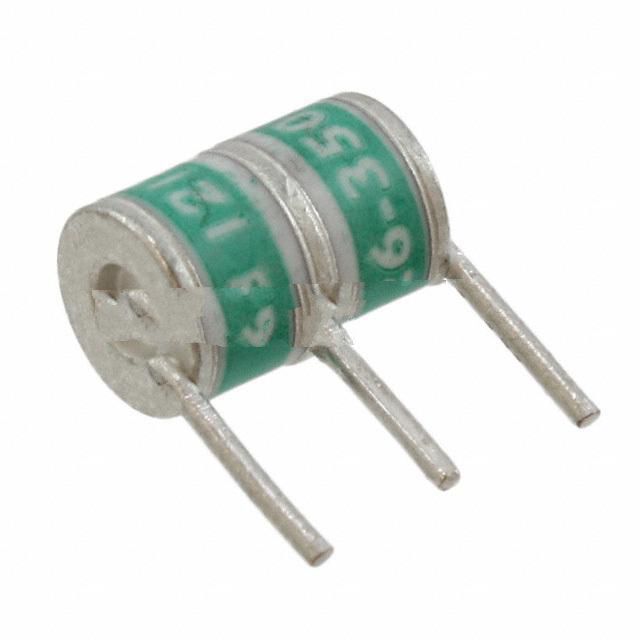
Bourns Inc. 2027-60-B
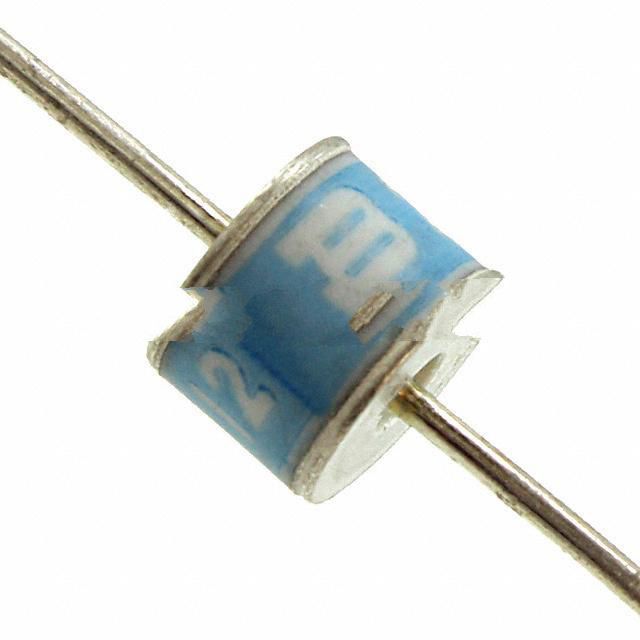
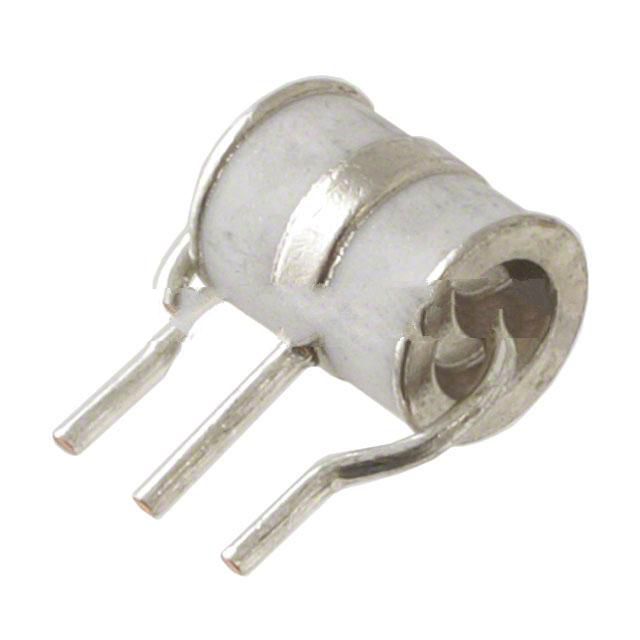
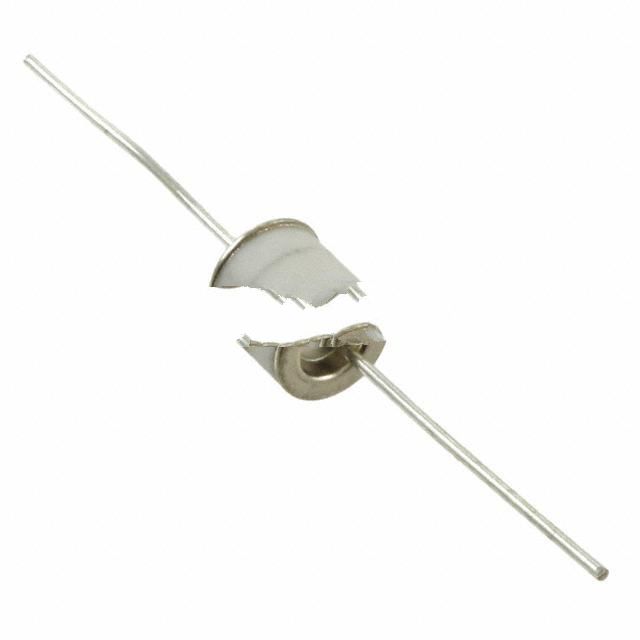
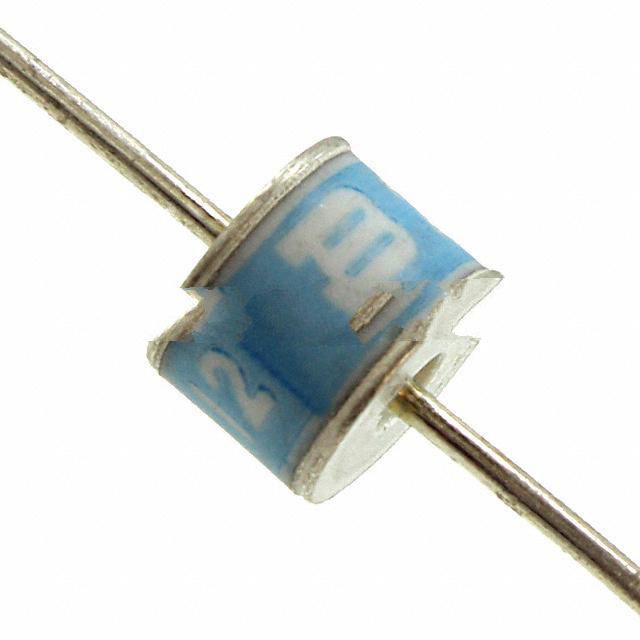
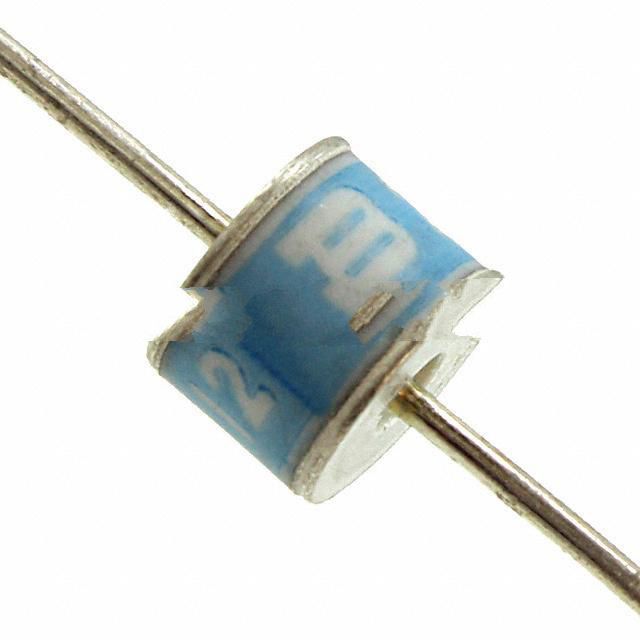
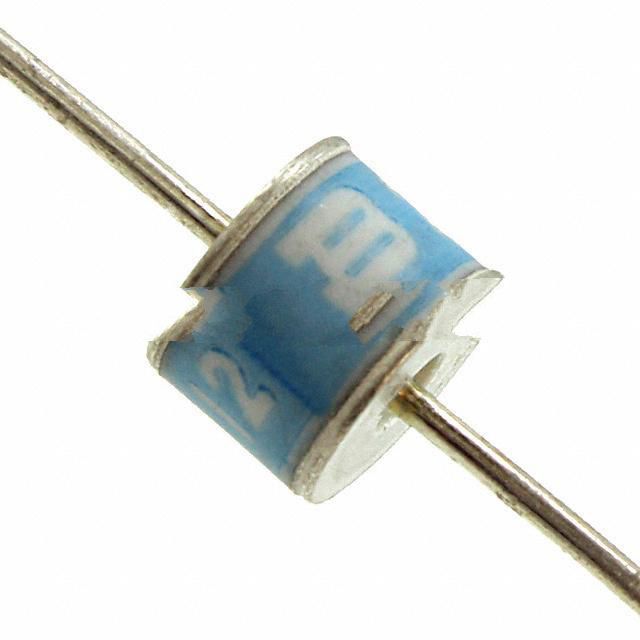
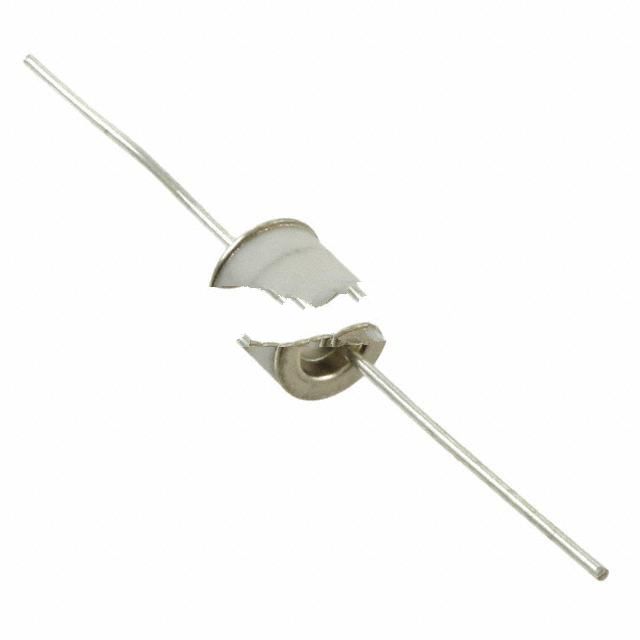
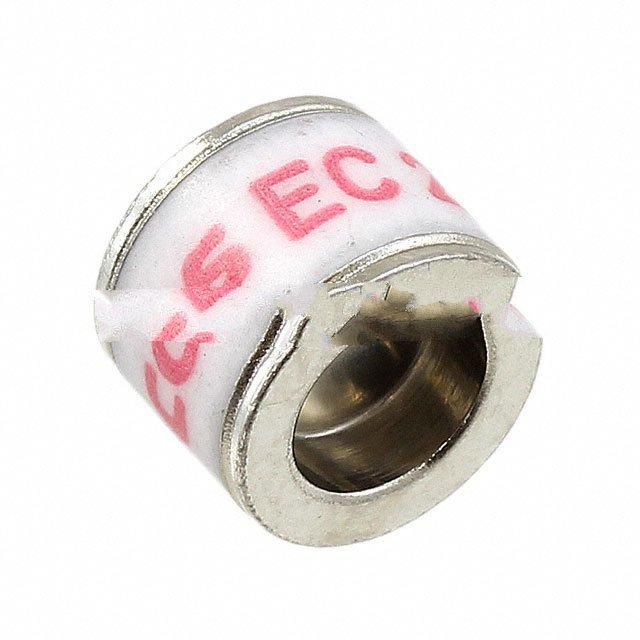
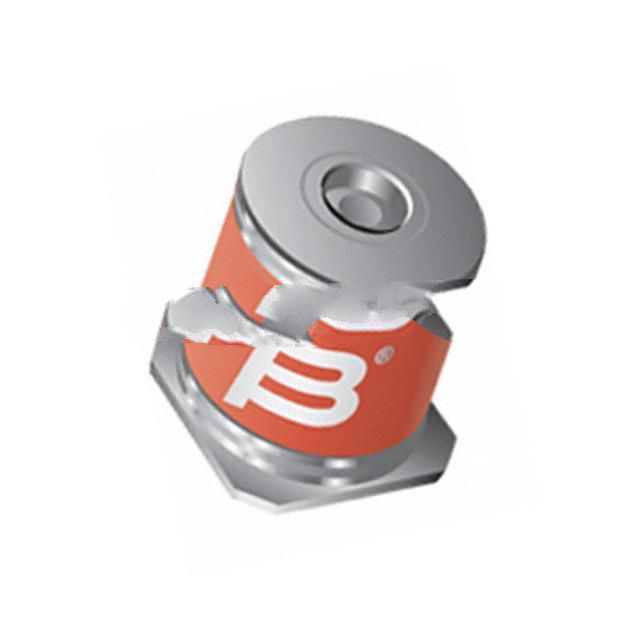
The picture is for reference only, please refer to the product specification
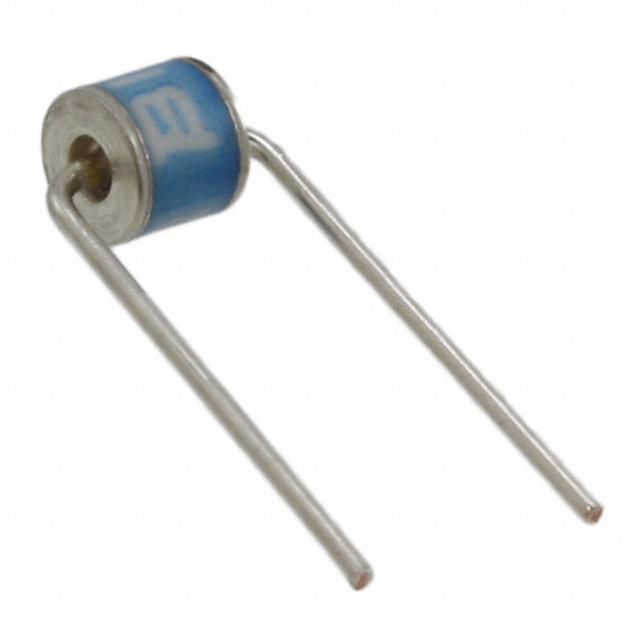
- 2027-60-B
- Bourns Inc.
- GDT 600V 15% 10KA THROUGH HOLE
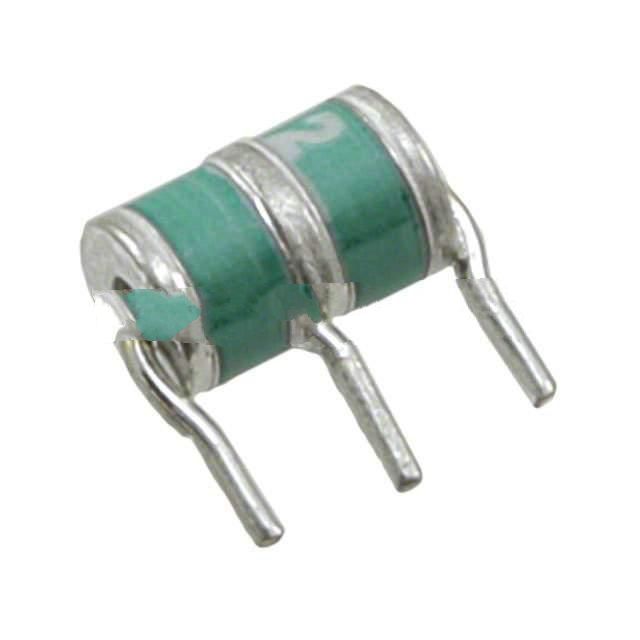
- Gas Discharge Tube Arresters (GDT)
- 2027-60-B Datasheet
- Axial Cylinder
- Axial Cylinder
-
 Lead free / RoHS Compliant
 - 2778
- Spot Inventory / Athorized Dstributor / Factory Excess Stock
- 1 year quality assurance 》
- Click to get rates


What is 2027-60-B
Bourns Inc. Part Number 2027-60-B(Gas Discharge Tube Arresters (GDT)), developed and manufactured by Bourns Inc., distributed globally by Jinftry. We distribute various electronic components from world-renowned brands and provide one-stop services, making us a trusted global electronic component distributor.
2027-60-B is one of the part numbers distributed by Jinftry, and you can learn about its specifications/configurations, package/case, Datasheet, and other information here. Electronic components are affected by supply and demand, and prices fluctuate frequently. If you have a demand, please do not hesitate to send us an RFQ or email us immediately [email protected] Please inquire about the real-time unit price, Data Code, Lead time, payment terms, and any other information you would like to know. We will do our best to provide you with a quotation and reply as soon as possible.
2027-60-B Specifications
- Part Number2027-60-B
- CategoryGas Discharge Tube Arresters (GDT)
- ManufacturerBourns Inc.
- DescriptionGDT 600V 15% 10KA THROUGH HOLE
- PackageAxial Cylinder
- Series2027
- Mounting TypeThrough Hole
- Package / CaseAxial Cylinder
- Tolerance±15%
- Number of Poles2
- Voltage - DC Spark Over (Nom)600V
- Impulse Discharge Current (8/20µs)10000A (10kA)
- Fail ShortNo
Application of 2027-60-B
2027-60-B Datasheet
2027-60-B Datasheet , Axial Cylinder,2027,Through Hole,Axial Cylinder,±15%,2,600V,10000A (10kA),No
2027-60-B Classification
Gas Discharge Tube Arresters (GDT)
FAQ about Gas Discharge Tube Arresters (GDT)
-
1. What is a GDT gas discharge tube?
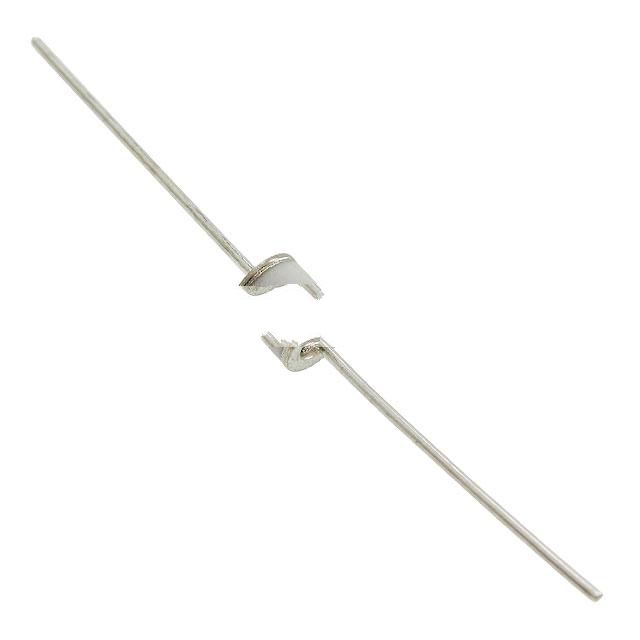
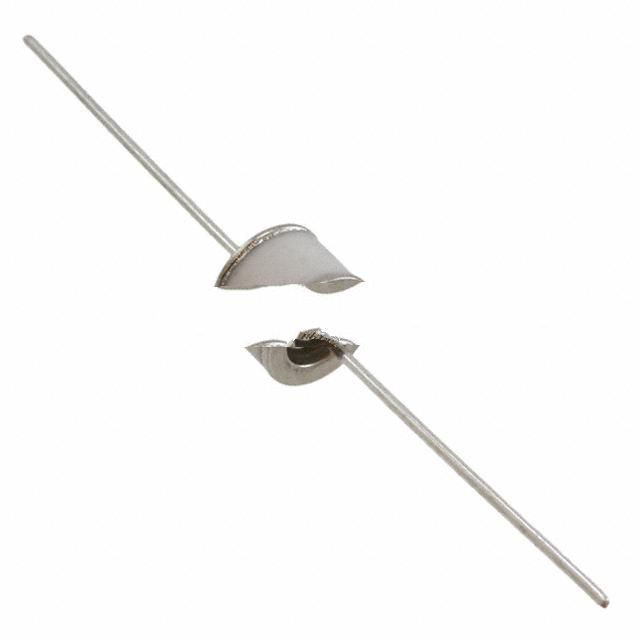
A GDT gas discharge tube (Gas Discharge Tube) is a device used to protect electronic equipment from transient voltage damage. It is mainly composed of one or more discharge gaps, sealed in a ceramic cavity or glass tube filled with inert gas. Under normal working conditions, the GDT maintains a high resistance state; when the voltage exceeds its breakdown voltage, the gas in the gas discharge tube is ionized to form a conductive path, which introduces the surge current into the ground, thereby protecting the equipment. Once the overvoltage disappears, the GDT returns to a high impedance state and waits for the next shock.
Working Principle
The working principle of GDT is based on the gas discharge phenomenon. Under normal operating voltage, the inert gas inside the GDT remains non-conductive and the device is in a high impedance state. When the voltage reaches or exceeds its breakdown voltage, the gas ionizes to form a plasma path, causing the GDT to present a low impedance state, directing the surge current into the ground, thereby protecting the device. After the overvoltage disappears, the GDT returns to a high impedance state. -
2. How does GDT work?
The working principle of GDT (gas discharge tube) is mainly based on its electrical characteristics, which are determined by the type of gas, pressure and electrode distance. The GDT is filled with inert gas (such as neon or argon) and maintains a certain pressure. When the voltage across the GDT rises to a value greater than its discharge voltage, the gas begins to ionize, causing the discharge tube to conduct, changing from a high impedance state to a low impedance state, thereby rapidly reducing the voltage across the two ends.
The working process of GDT can be divided into the following stages:
Insulation state: When there is no surge, GDT is in an open circuit state, which is equivalent to a high-impedance insulator with a very large resistance (usually greater than 1000 megohms), almost no leakage current or very small leakage current.
Discharge state: When the voltage across the GDT rises to a value greater than its discharge voltage, the gas begins to ionize and the discharge tube is turned on. At this time, the GDT changes from a high-impedance state to a low-impedance state, causing the voltage across its two ends to drop rapidly, usually by tens of volts.
Follow-current effect: Due to the follow-current characteristics of the gas discharge tube, even if the surge voltage disappears, as long as a certain voltage (usually above 15V) is maintained at both ends, the GDT will remain in the on state and continue to conduct electricity.
The application scenarios of GDT mainly include lightning surge protection, which is suitable for lightning protection of AC and DC power supplies and signal circuits. It can quickly turn on when a surge arrives, limit the voltage peak, and protect the connected electronic equipment from damage. -
3. What are the advantages and disadvantages of GDT?
Advantages: before breakdown, it is equivalent to an open circuit, with high resistance and low leakage current; after breakdown, it can pass a large current with low voltage drop; the pulse flow rate is large, and the commonly used specifications are 2KA, 10KA, 20KA, etc., and the highest can reach more than 100KA; the junction capacitance is low, and most of them are less than 2pF.
Disadvantages: The response speed is slow, generally 0.2~0.3 microseconds, and the fastest is about 0.1 microseconds; the breakdown voltage consistency is poor, the dispersion is large, generally ±20%; the breakdown voltage has only a few specific values.
We are a professional PCB manufacturer who offers comprehensive PCB manufacturing services including: professional Ceramic PCB HDI PCB Heavy Copper PCB High-TG PCB High Speed PCB High Frequency PCB Metal Core PCB PCB fabrication and PCB assembly, providing fast turnaround prototypes for high-end products.



• Prompt Responsiveness
• Guaranteed Quality
• Global Access
• Competitive Market Price
• One-Stop support services of supply chain
Jinftry, Your most trustworthy component supplier, welcome to send us the inquiry, thank you!
Do you have any questions about 2027-60-B ?
Feel free to contact us: