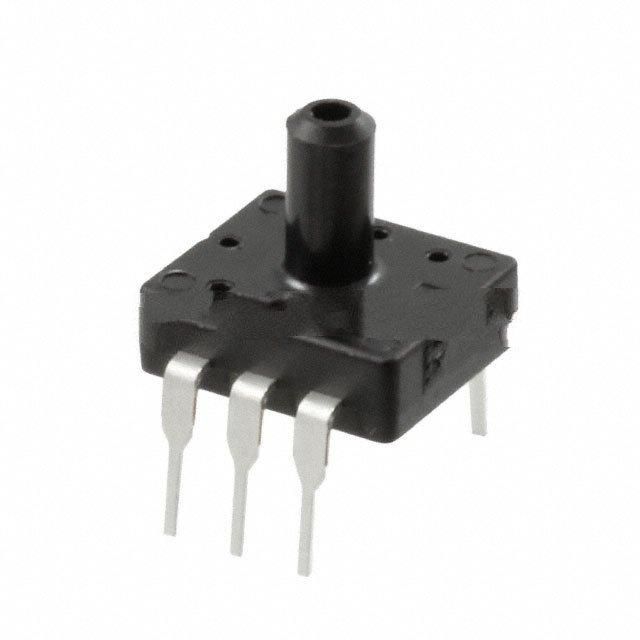
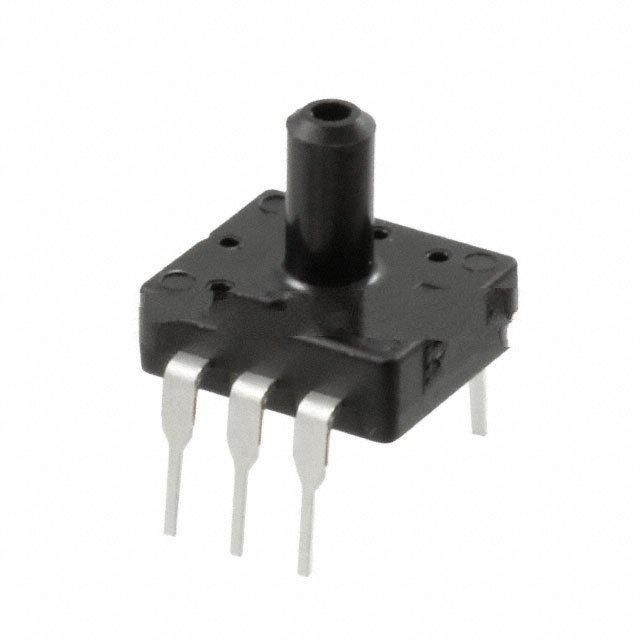
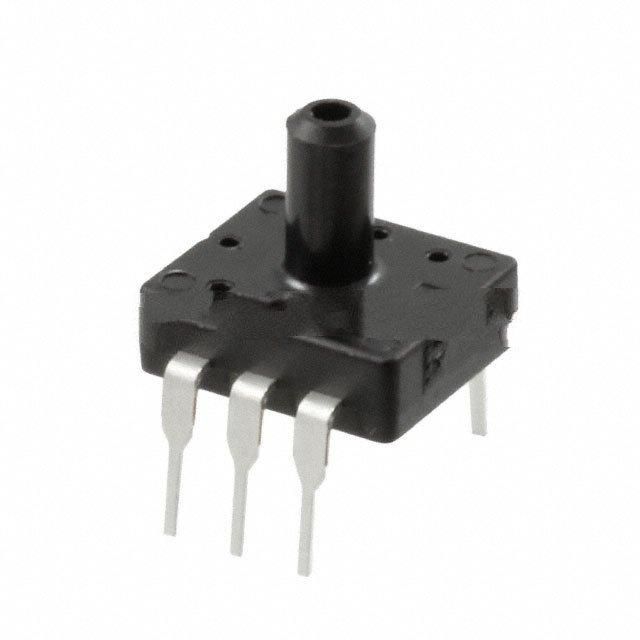
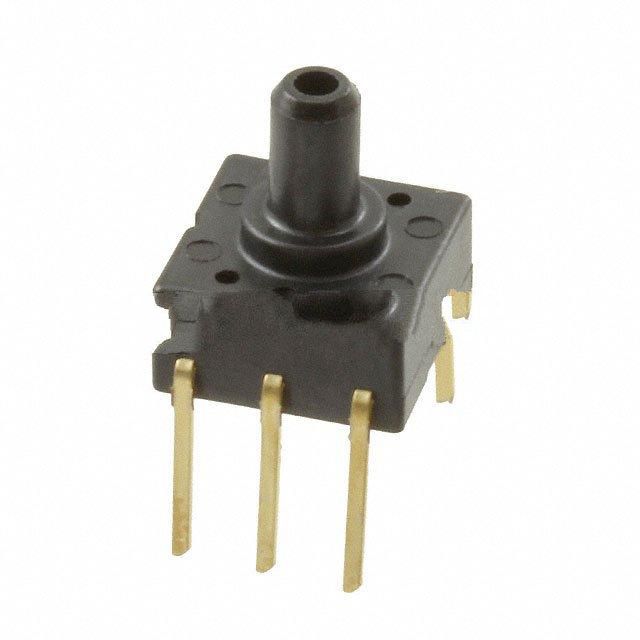
Panasonic Electronic Components ADP5161
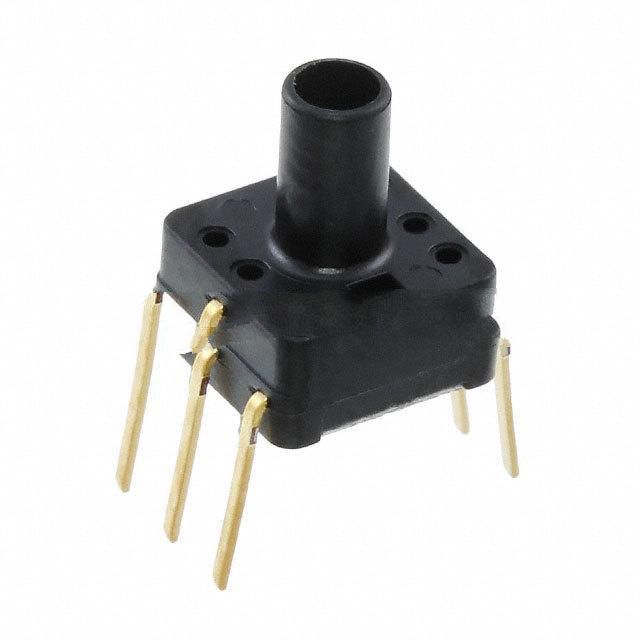
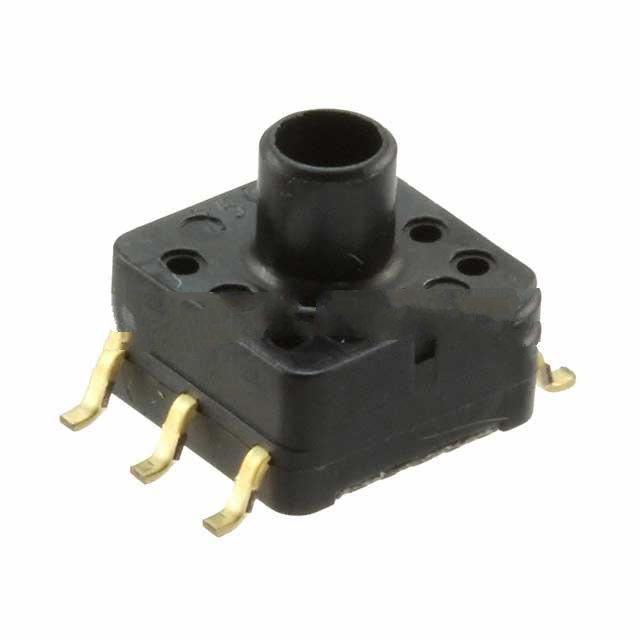
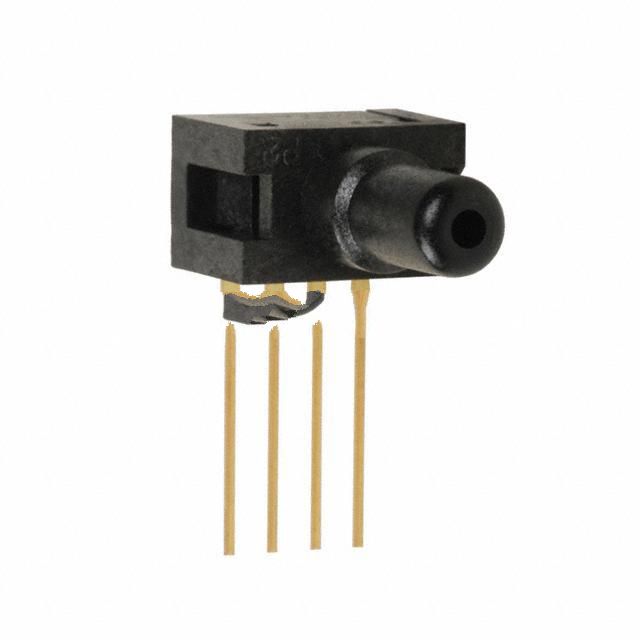
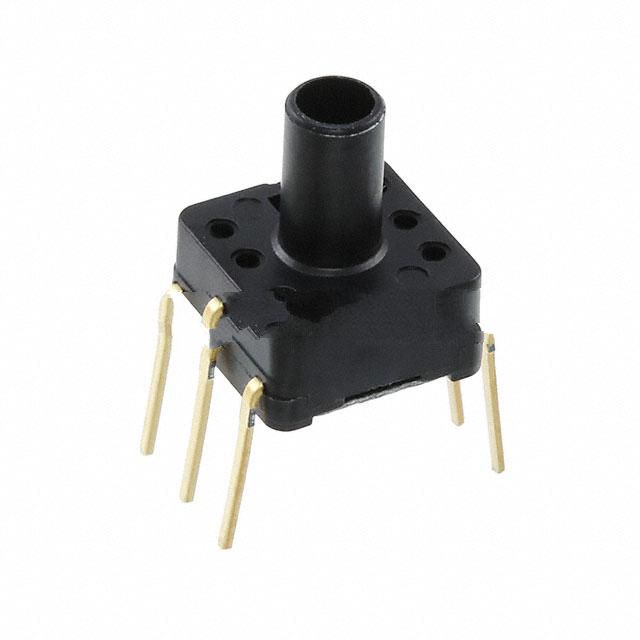
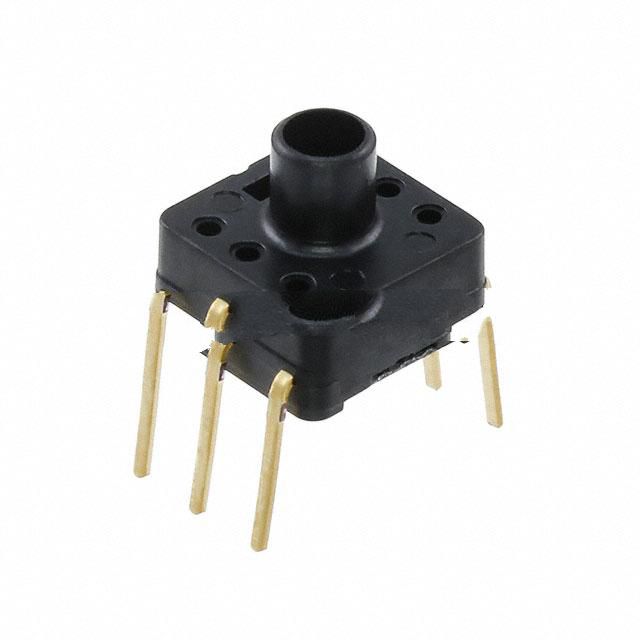
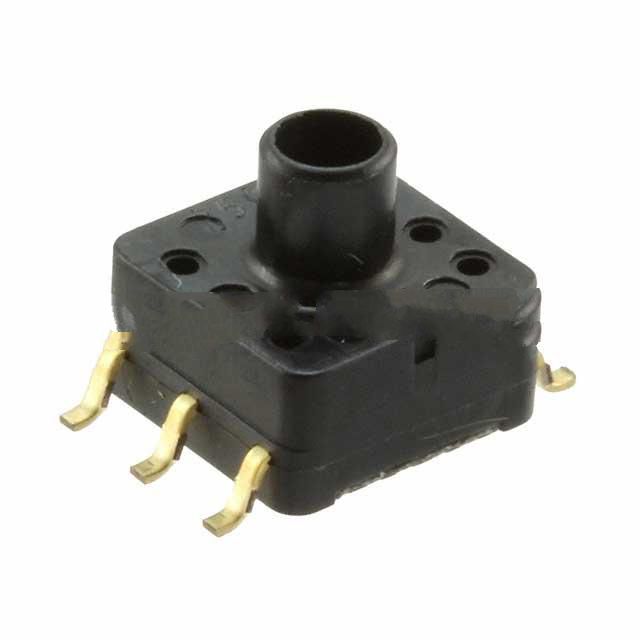
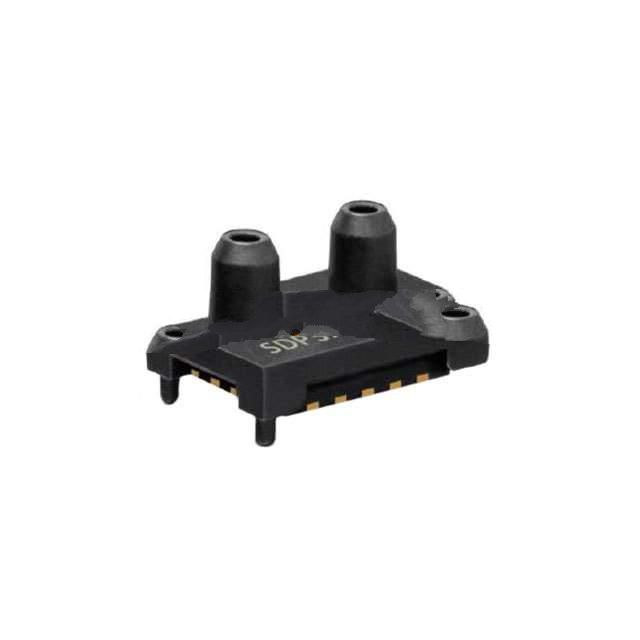
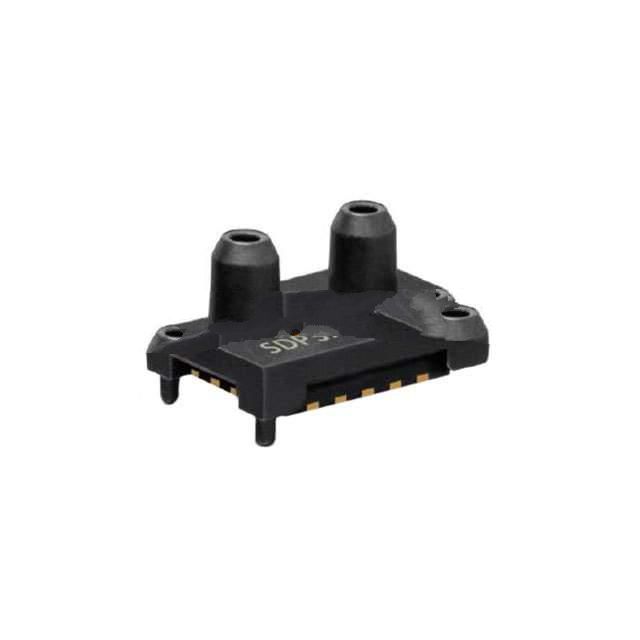
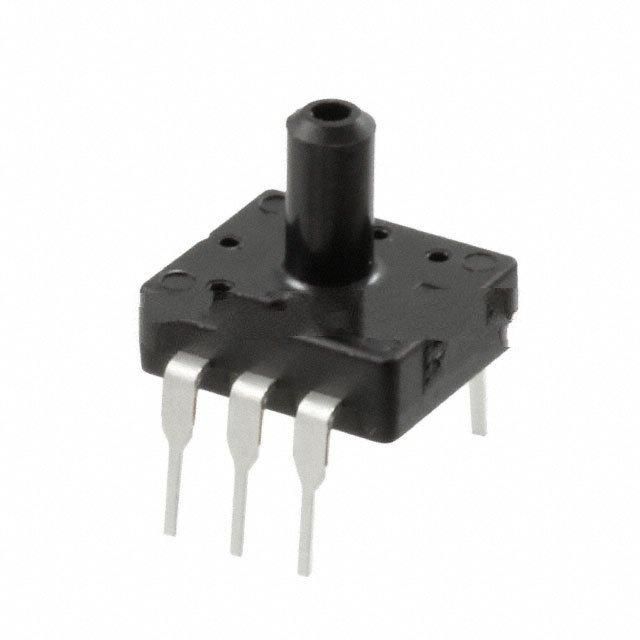
The picture is for reference only, please refer to the product specification
- ADP5161
- Panasonic Electronic Components
- ADP5(PS-A) PRESSURE SENSOR(DIP)
- Pressure Sensors, Transducers
- ADP5161 Datasheet
- 6-DIP Module
- 6-DIP Module
-
 Lead free / RoHS Compliant
 - 798
- Spot Inventory / Athorized Dstributor / Factory Excess Stock
- 1 year quality assurance 》
- Click to get rates


What is ADP5161
Panasonic Electronic Components Part Number ADP5161(Pressure Sensors, Transducers), developed and manufactured by Panasonic Electronic Components, distributed globally by Jinftry. We distribute various electronic components from world-renowned brands and provide one-stop services, making us a trusted global electronic component distributor.
ADP5161 is one of the part numbers distributed by Jinftry, and you can learn about its specifications/configurations, package/case, Datasheet, and other information here. Electronic components are affected by supply and demand, and prices fluctuate frequently. If you have a demand, please do not hesitate to send us an RFQ or email us immediately [email protected] Please inquire about the real-time unit price, Data Code, Lead time, payment terms, and any other information you would like to know. We will do our best to provide you with a quotation and reply as soon as possible.
ADP5161 Specifications
- Part NumberADP5161
- CategoryPressure Sensors, Transducers
- ManufacturerPanasonic Electronic Components
- DescriptionADP5(PS-A) PRESSURE SENSOR(DIP)
- Package6-DIP Module
- SeriesPS-A
- FeaturesAmplified Output, Temperature Compensated
- Voltage - Supply5V
- Operating Temperature-10°C ~ 60°C
- Package / Case6-DIP Module
- Output0 V ~ 4.5 V
- Accuracy±1.25%
- Output TypeAnalog Voltage
- Termination StyleThrough Hole
- Pressure TypeVented Gauge
- Operating Pressure72.52 PSI (500 kPa)
- Port StyleBarbless
- Maximum Pressure145.04 PSI (1000 kPa)
- Port SizeMale - 0.12" (3mm) Tube
Application of ADP5161
ADP5161 Datasheet
ADP5161 Datasheet , 6-DIP Module,PS-A,Amplified Output, Temperature Compensated,5V,-10°C ~ 60°C,6-DIP Module,0 V ~ 4.5 V,±1.25%,Analog Voltage,Through Hole,Vented Gauge,72.52 PSI (500 kPa),Barbless,145.04 PSI (1000 kPa),Male
ADP5161 Classification
Pressure Sensors, Transducers
FAQ about Pressure Sensors, Transducers
-
1. Is a transducer a sensor?
A transducer is not a sensor. Although both sensors and transducers are devices for measuring physical quantities, they have obvious differences in definition and application.
Definition and function
Sensor: A sensor is a device that converts non-electrical signals into electrical signals. It is usually used to convert physical quantities (such as temperature, pressure, humidity, light intensity, etc.) into electrical signals. Sensors are widely used in industry, medical care, environmental monitoring and other fields.
Transducer: A transducer is a device that converts one form of energy into another form. It can convert any form of physical quantity (such as pressure, force, torque, displacement, sound, light, heat, etc.) into electrical signals or other forms of energy output. Transducers are widely used in the control, measurement and detection of various industrial processes.
-
2. What is the difference between a transducer and a sensor?
Sensors and transducers are two different concepts. A sensor is a device that converts non-electrical signals into electrical signals, while a transducer is a device that converts one form of energy into another form.
1. Definition of sensors and transducers
Both sensors and transducers are devices that measure physical quantities.
A sensor is a device that converts non-electrical signals into electrical signals, and is usually used to convert physical quantities into electrical signals, such as temperature, pressure, humidity, light intensity, etc. Sensors are widely used in industry, medical care, environmental monitoring and other fields.
A transducer is a device that converts one form of energy into another. A transducer can convert any form of physical quantity (such as pressure, force, torque, displacement, sound, light, heat, etc.) into electrical signals or other forms of energy output. The application field of transducers is also very wide, and they are often used to detect, control and measure various industrial processes.
2. The difference between sensors and transducers
The main difference between sensors and transducers is which signal they convert into which signal. Sensors mainly convert non-electrical signals into electrical signals, while transducers can convert any form of signal into other forms of energy, such as electrical signals or mechanical motion.
In addition, the application fields of sensors and transducers are also different. Sensors are mainly used to detect, monitor and measure various physical quantities, such as temperature, pressure, humidity, light intensity, etc.; while transducers are widely used to control, measure and detect various industrial processes, such as flow, speed, force, pressure and displacement, etc.
3. Application fields of sensors and transducers
Sensors and transducers have a wide range of applications. Sensors are usually used in the following fields:
1. Industrial process control and monitoring.
2. Equipment control and monitoring in the fields of automobiles, machinery, electronics, medical equipment, aerospace, etc.
3. Environmental monitoring and weather forecasting.
4. Home automation and smart home fields.
Transducers are mainly used in the following fields:
1. Exploration and production processes in the fields of ocean, petroleum, aviation, energy, etc.
2. Engineering measurement and control fields, such as monitoring and control of structures such as buildings, bridges and tunnels.
3. Scientific research fields, such as physics, chemistry, biology, etc.
4. Music and art fields, such as electronic musical instruments and sound amplifiers, etc.
-
3. What is the difference between sensors and actuators?
The main difference between sensors and actuators lies in their functions, design principles and application scenarios.
Function and design principle
Sensor: A sensor is a device that converts various physical quantities (such as temperature, pressure, light intensity, etc.) into easy-to-process electrical signals. Its main function is to detect and collect physical quantities in the environment, and convert these physical quantities into electrical signal output for further processing and analysis.
Actuator: An actuator is a device that converts electrical signals, air pressure, hydraulic pressure and other energies into physical motion. Its main function is to perform corresponding action control according to the received electrical signal, such as controlling the movement of the robot, adjusting the cutting of the machine tool, etc.
Application scenarios
Sensors: Sensors are usually used in areas that require monitoring environmental information, controlling automation equipment, adjusting motion control systems, such as smart homes, aircraft, robots, etc.
Actuators: Actuators are used to adjust control systems, convert energy, complete mechanical work, etc., such as hydraulic pumps driven by electric motors, pneumatic control valves, etc.
We are a professional PCB manufacturer who offers comprehensive PCB manufacturing services including: professional Ceramic PCB HDI PCB Heavy Copper PCB High-TG PCB High Speed PCB High Frequency PCB Metal Core PCB PCB fabrication and PCB assembly, providing fast turnaround prototypes for high-end products.



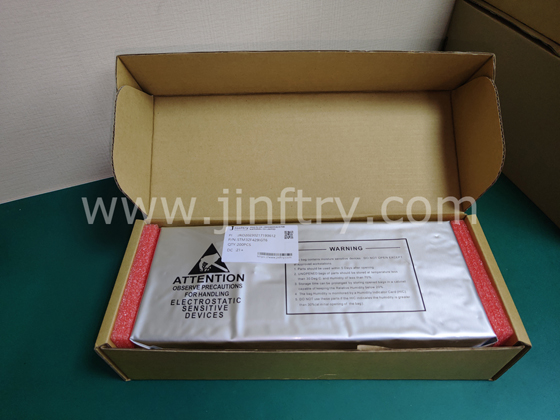
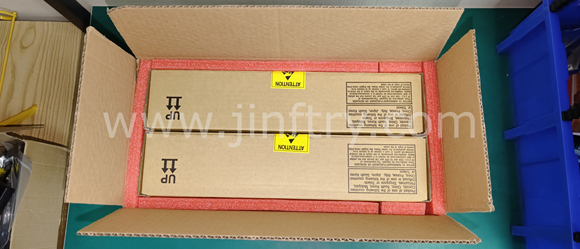
• Prompt Responsiveness
• Guaranteed Quality
• Global Access
• Competitive Market Price
• One-Stop support services of supply chain
Jinftry, Your most trustworthy component supplier, welcome to send us the inquiry, thank you!
Do you have any questions about ADP5161 ?
Feel free to contact us:
ADP5161 Related Products
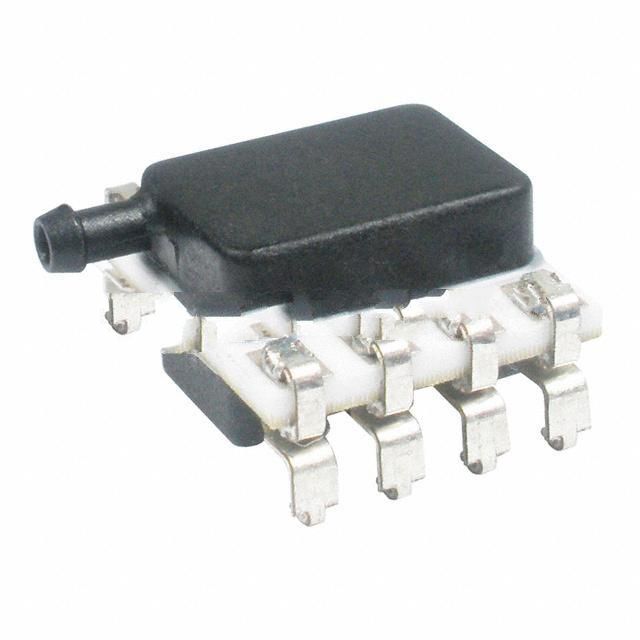
SENSOR PRES 15PSI ABSO 3.3V SMD
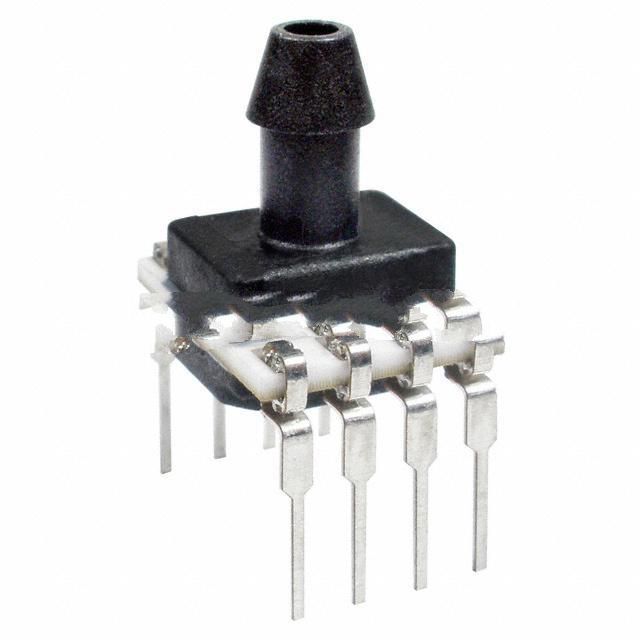
SENSOR PRES 100PSI GAUG 5V DIP
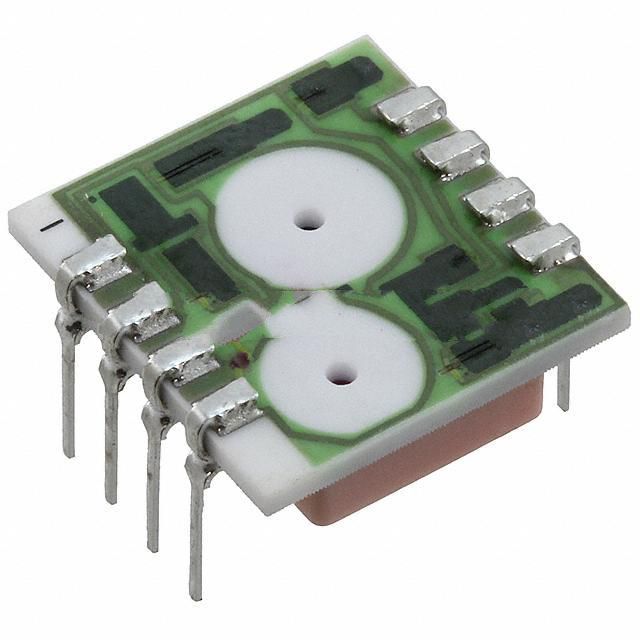
SENSOR 100PSID 50MV 8PIN PCB