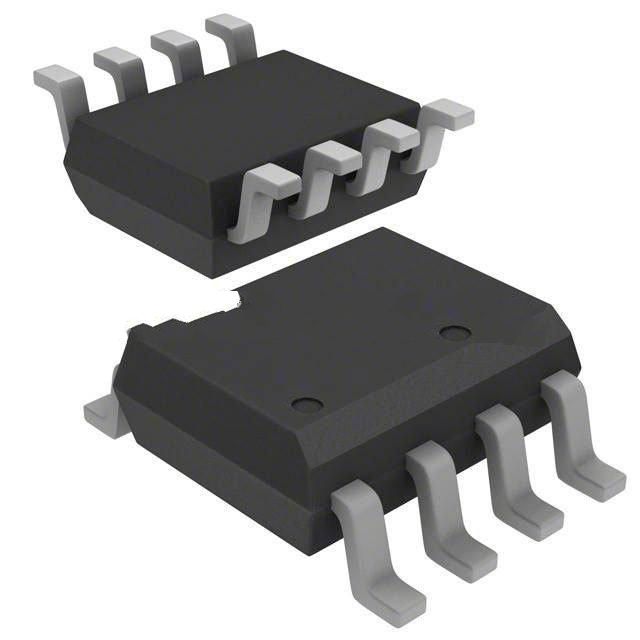
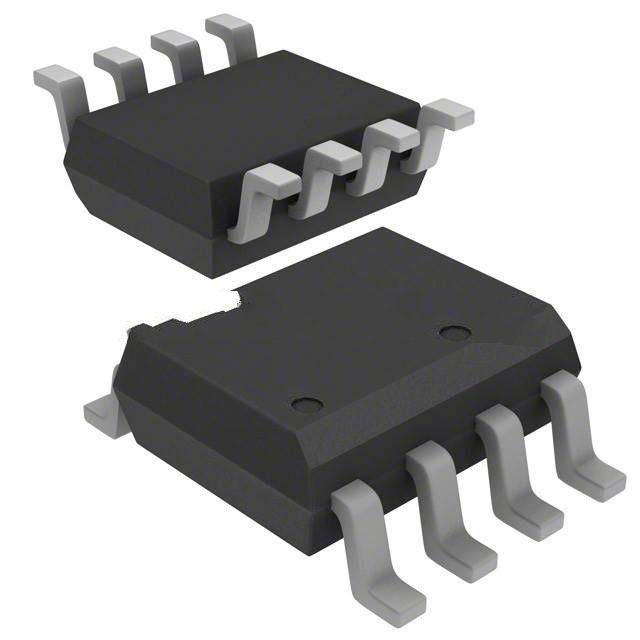
Analog Devices Inc. ADUM3201BRZ
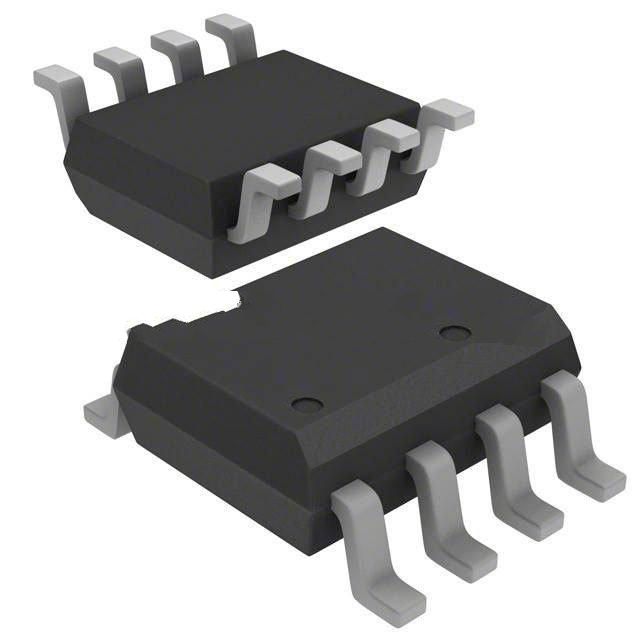
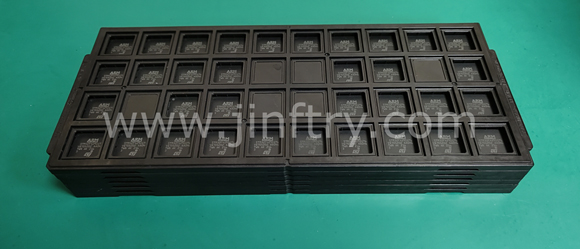
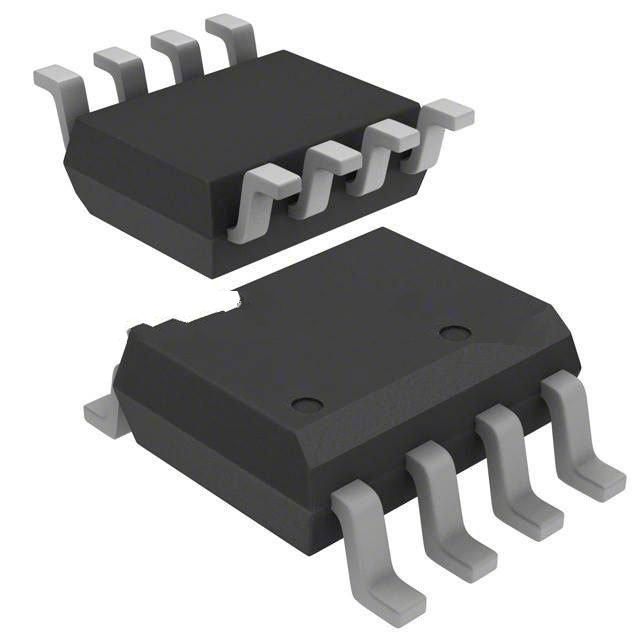
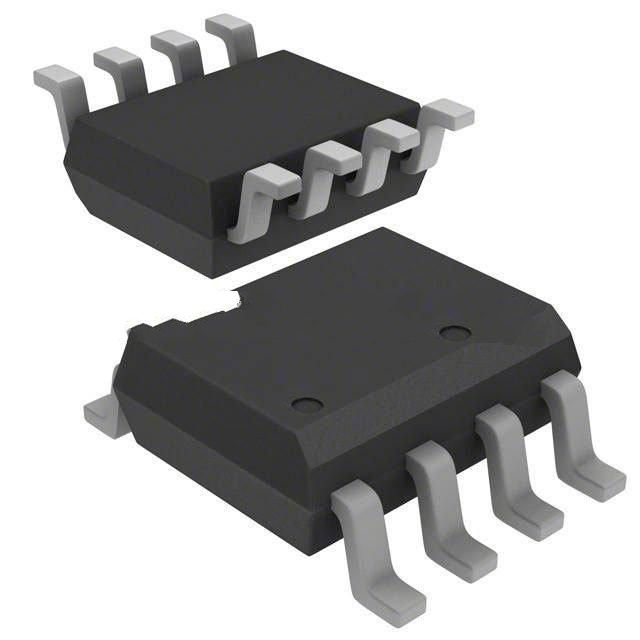
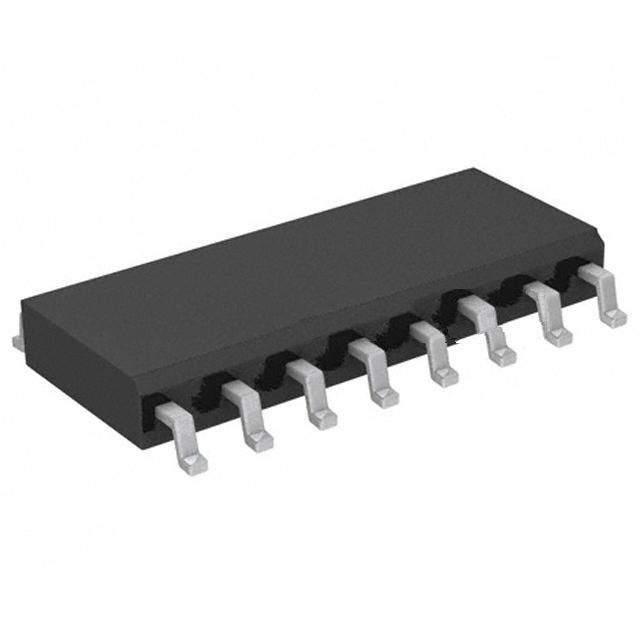
The picture is for reference only, please refer to the product specification
- ADUM3201BRZ
- Analog Devices Inc.
- DGTL ISO 2.5KV GEN PURP 8SOIC
- Digital Isolators
- ADUM3201BRZ Datasheet
- 8-SOIC (0.154", 3.90mm Width)
- 8-SOIC (0.154", 3.90mm Width)
-
 Lead free / RoHS Compliant
 - 2624
- Spot Inventory / Athorized Dstributor / Factory Excess Stock
- 1 year quality assurance 》
- Click to get rates


What is ADUM3201BRZ
Analog Devices Inc. Part Number ADUM3201BRZ(Digital Isolators), developed and manufactured by Analog Devices Inc., distributed globally by Jinftry. We distribute various electronic components from world-renowned brands and provide one-stop services, making us a trusted global electronic component distributor.
ADUM3201BRZ is one of the part numbers distributed by Jinftry, and you can learn about its specifications/configurations, package/case, Datasheet, and other information here. Electronic components are affected by supply and demand, and prices fluctuate frequently. If you have a demand, please do not hesitate to send us an RFQ or email us immediately [email protected] Please inquire about the real-time unit price, Data Code, Lead time, payment terms, and any other information you would like to know. We will do our best to provide you with a quotation and reply as soon as possible.
ADUM3201BRZ Specifications
- Part NumberADUM3201BRZ
- CategoryDigital Isolators
- ManufacturerAnalog Devices Inc.
- DescriptionDGTL ISO 2.5KV GEN PURP 8SOIC
- Package8-SOIC (0.154", 3.90mm Width)
- SeriesiCoupler?
- TypeGeneral Purpose
- Voltage - Supply3 V ~ 5.5 V
- Operating Temperature-40°C ~ 105°C
- Package / Case8-SOIC (0.154", 3.90mm Width)
- Supplier Device Package8-SOIC
- Number of Channels2
- Data Rate10Mbps
- TechnologyMagnetic Coupling
- Voltage - Isolation2500Vrms
- Isolated PowerNo
- Inputs - Side 1/Side 21/1
- Channel TypeUnidirectional
- Common Mode Transient Immunity (Min)25kV/µs
- Propagation Delay tpLH / tpHL (Max)50ns, 50ns
- Pulse Width Distortion (Max)3ns
- Rise / Fall Time (Typ)2.5ns, 2.5ns
Application of ADUM3201BRZ
ADUM3201BRZ Datasheet
ADUM3201BRZ Datasheet , 8-SOIC (0.154", 3.90mm Width),iCoupler?,General Purpose,3 V ~ 5.5 V,-40°C ~ 105°C,8-SOIC (0.154", 3.90mm Width),8-SOIC,2,10Mbps,Magnetic Coupling,2500Vrms,No,1/1,Unidirectional,25kV/µs,50ns
ADUM3201BRZ Classification
Digital Isolators
FAQ about Digital Isolators
-
1. What is the difference between optical isolators and digital isolators?
The main difference between optical isolators and digital isolators lies in their working principles, performance and application scenarios.
Working principle
Optical isolators (also known as optocouplers) use light to transmit signals through isolation barriers. It emits light through light-emitting diodes (LEDs), and photosensitive transistors receive light and convert it into electrical signals, thereby realizing isolated transmission of signals.
Digital isolators use capacitive or electromagnetic isolation technology to transmit signals. They achieve signal isolation transmission through capacitive coupling or electromagnetic isolation, with higher transmission rate and lower power consumption.
Performance comparison
Optical isolators have a slower transmission rate, usually several megabits per second, and require additional circuit components, increasing costs and PCB area. In addition, the aging problem of optical isolators is more serious, especially when working in a high temperature environment.
Digital isolators have higher transmission rates, lower power consumption and smaller size. They also have better common mode transient immunity (CMTI) and longer service life, and are more integrated, and can integrate multiple functions such as input filters, transceivers and output enable options. Digital isolators have no temperature drift problems and better performance consistency.
-
2. What are the methods of digital isolation?
The methods of digital isolation mainly include the following:
Optocoupler isolation: Optocoupler isolator is the earliest isolation device. It uses optical signals to transmit electrical signals. It isolates the input signal from the internal circuit through the photoelectric coupler, or isolates the internal output signal from the external circuit. Optocoupler isolator has a higher isolation voltage and is suitable for the isolation needs of various digital signals.
Pulse transformer isolation: The pulse transformer transmits pulse signals without transmitting DC components through its smaller distributed capacitance characteristics, and is often used in the control isolation of controllable devices. The signal transmission frequency of the pulse transformer is generally between 1kHz and 1MHz, and the transmission frequency of the new high-frequency pulse transformer can reach 10MHz.
Relay isolation: Relays are simple, practical and inexpensive as isolation elements. Relays are used to isolate low-voltage DC from high-voltage AC to prevent interference from the high-voltage side from entering the low-voltage side.
Digital isolator: Digital isolator uses capacitor or electromagnetic isolation technology to transmit signals, which has the advantages of optimizing system BOM material cost, reducing PCB area, accurate timing characteristics, low power consumption, and enhanced common-mode transient immunity. Digital isolators have become the first choice for many applications in recent years. -
3. What is the purpose of isolators?
The main uses of isolators include signal isolation, circuit protection and system performance improvement.
Signal isolation
Isolators effectively prevent signal interference and distortion by completely isolating input signals from output signals electrically. In complex electronic systems, various signals need to be transmitted between different devices and instruments, but due to the presence of electromagnetic interference, signal attenuation and other factors, the signals may be interfered or distorted during transmission. Isolators use the linear optocoupler isolation principle to ensure stable signal transmission and avoid interference and distortion.
Protect circuit safety
Isolators can isolate power and load to ensure safe operation of circuits. In the power industry, isolators are an indispensable component of power substations and transmission systems. They can isolate high-voltage power supplies in power systems and protect the safety of personnel and equipment. In addition, in the chemical, pharmaceutical, food and other industries, isolators are also widely used in the isolation and insulation of power supply systems to ensure the safety and stability of the production process.
What is an intelligent isolator?
An intelligent isolator, also known as a signal isolator, is a device that converts input signals into outputs using the linear optocoupler isolation principle. It usually consists of four parts: input signal processing unit, isolation unit, output signal processing unit and power supply.
The main functions of the intelligent isolator include:
Signal isolation: The input, output and working power supply are isolated from each other, which can effectively solve various signal interference problems existing on site and ensure the purity and stability of the signal.
Signal processing and conversion: It can perform signal processing conversion and distribution according to site requirements, support the input of single-channel or dual-channel two-wire current signals, and transmit and output isolated single-channel or dual-channel current or voltage signals.
Multi-channel processing capability: For scenarios requiring multi-channel signal processing, intelligent isolators can provide perfect solutions and are widely used in various industrial control systems.
Intelligent isolators are widely used in the field of industrial automation, especially in major projects in environmental protection, electric power, metallurgy, equipment manufacturing, petrochemical and other industries. They can effectively deal with complex signal interference problems and ensure accurate data transmission.
We are a professional PCB manufacturer who offers comprehensive PCB manufacturing services including: professional Ceramic PCB HDI PCB Heavy Copper PCB High-TG PCB High Speed PCB High Frequency PCB Metal Core PCB PCB fabrication and PCB assembly, providing fast turnaround prototypes for high-end products.



• Prompt Responsiveness
• Guaranteed Quality
• Global Access
• Competitive Market Price
• One-Stop support services of supply chain
Jinftry, Your most trustworthy component supplier, welcome to send us the inquiry, thank you!
Do you have any questions about ADUM3201BRZ ?
Feel free to contact us:
ADUM3201BRZ Related Products
DGTL ISOLATOR 2CH I2C 10MSOP