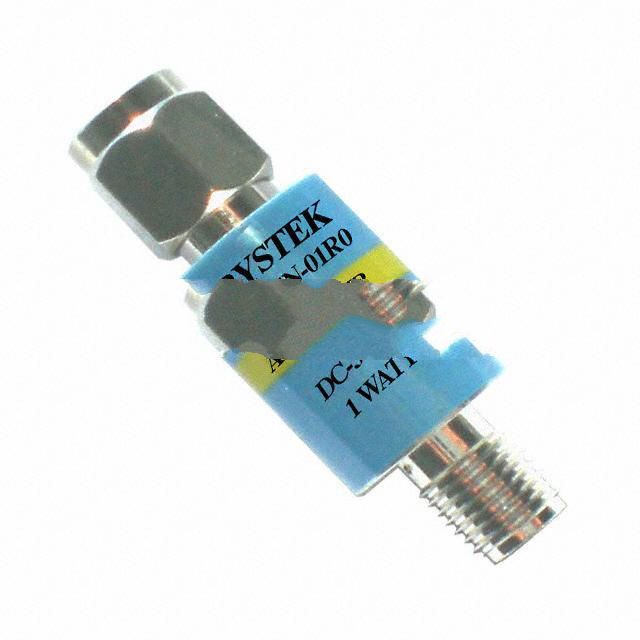
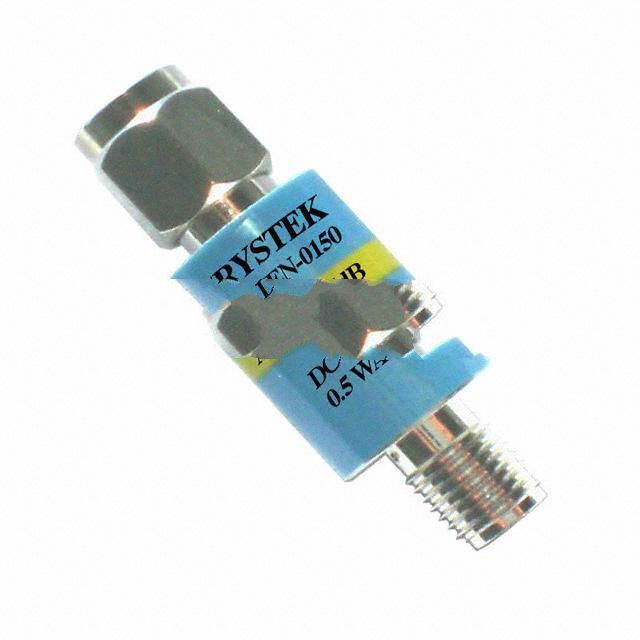
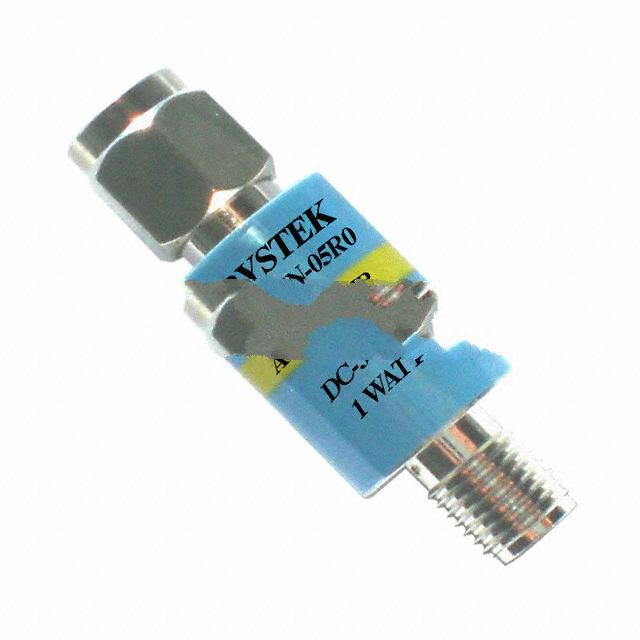
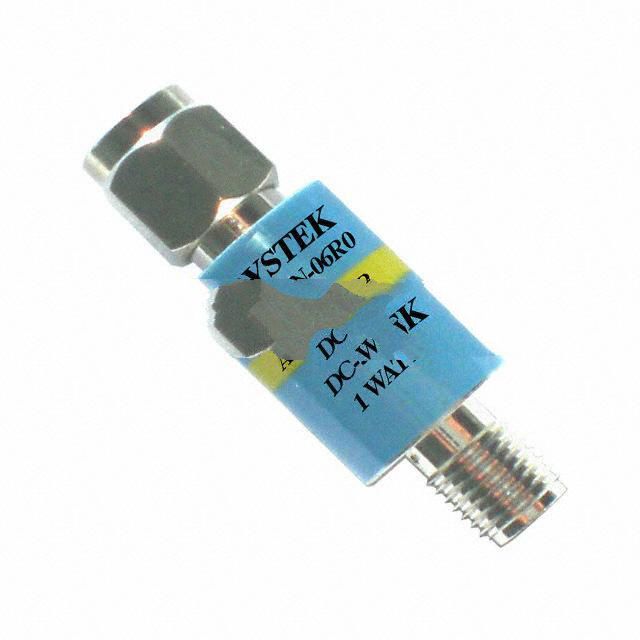
Crystek Corporation CATTEN-03R0-BNC
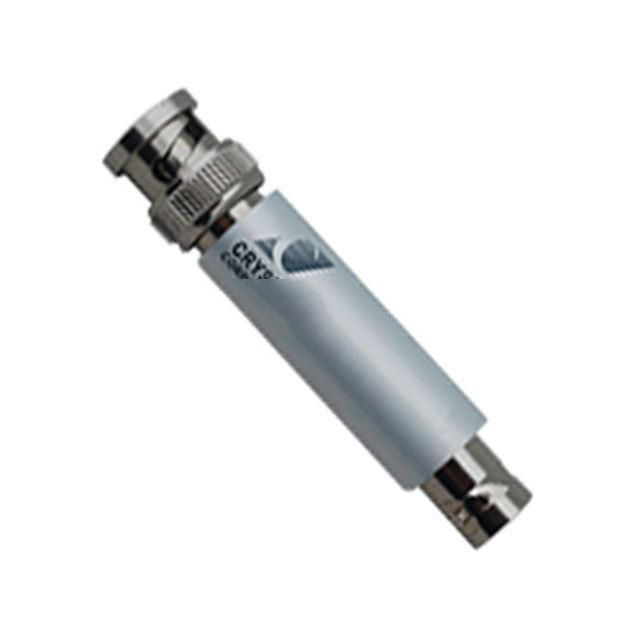
The picture is for reference only, please refer to the product specification
- CATTEN-03R0-BNC
- Crystek Corporation
- ATTENUATOR BNC 1GHZ 50 OHM 3DB
- Attenuators
- CATTEN-03R0-BNC Datasheet
- BNC In-Line Module
- BNC In-Line Module
-
 Lead free / RoHS Compliant
 - 2001
- Spot Inventory / Athorized Dstributor / Factory Excess Stock
- 1 year quality assurance 》
- Click to get rates


What is CATTEN-03R0-BNC
Crystek Corporation Part Number CATTEN-03R0-BNC(Attenuators), developed and manufactured by Crystek Corporation, distributed globally by Jinftry. We distribute various electronic components from world-renowned brands and provide one-stop services, making us a trusted global electronic component distributor.
CATTEN-03R0-BNC is one of the part numbers distributed by Jinftry, and you can learn about its specifications/configurations, package/case, Datasheet, and other information here. Electronic components are affected by supply and demand, and prices fluctuate frequently. If you have a demand, please do not hesitate to send us an RFQ or email us immediately [email protected] Please inquire about the real-time unit price, Data Code, Lead time, payment terms, and any other information you would like to know. We will do our best to provide you with a quotation and reply as soon as possible.
CATTEN-03R0-BNC Specifications
- Part NumberCATTEN-03R0-BNC
- CategoryAttenuators
- ManufacturerCrystek Corporation
- DescriptionATTENUATOR BNC 1GHZ 50 OHM 3DB
- PackageBNC In-Line Module
- Series-
- Package / CaseBNC In-Line Module
- Attenuation Value3dB
- Frequency Range0Hz ~ 1GHz
- Power (Watts)2W
- Impedance50 Ohms
Application of CATTEN-03R0-BNC
CATTEN-03R0-BNC Datasheet
CATTEN-03R0-BNC Datasheet , BNC In-Line Module,BNC In-Line Module,3dB,0Hz ~ 1GHz,2W,50 Ohms
CATTEN-03R0-BNC Classification
Attenuators
FAQ about Attenuators
-
1. What are the uses of attenuators?
The main uses of attenuators include the following aspects:
Adjust the size of the signal in the circuit: The attenuator can reduce the signal strength passing through the attenuator, thereby protecting the receiving device from damage by large signals.
In the comparison method measurement circuit, directly read the attenuation value of the measured network: The attenuator can be used to measure the attenuation value in the circuit to help make accurate measurements and analysis.
Improve impedance matching: In the circuit that requires stable load impedance, the attenuator can buffer the impedance change and ensure the stable operation of the circuit. -
2. What types of attenuators are there?
There are mainly the following types of attenuators:
Displacement optical attenuator: This attenuator controls the attenuation by adjusting the centering accuracy of the optical fiber. It is specifically divided into lateral displacement type and axial displacement type. Lateral displacement optical attenuators are usually used for the production of fixed attenuators, while axial displacement optical attenuators are mainly used for the production of fixed optical attenuators and some small variable optical attenuators.
Thin film optical attenuator: This attenuator is made based on the principle that the reflected light intensity of light on the surface of the metal film is related to the thickness of the film. Fixed attenuators are realized by fixing the thickness of metal films, while variable attenuators change the intensity of reflected light by inserting metal films of different thicknesses to obtain different attenuation amounts.
Attenuator-type optical attenuator: This attenuator directly fixes the attenuator with absorption characteristics on the end face of the optical fiber or in the optical path to achieve the purpose of attenuating the optical signal. This method can make both fixed attenuators and variable attenuators.
Passive attenuators and active attenuators: Passive attenuators include fixed attenuators and adjustable attenuators, which are mainly used to adjust the size of signals in circuits and improve impedance matching. Active attenuators are combined with other thermosensitive elements to form variable attenuators, which are used in automatic gain or slope control circuits. -
3. Can attenuators reduce noise?
Attenuators can reduce noise, but the specific effect depends on their type and usage scenario.
Basic principles and types of attenuators
An attenuator is an electronic component that is mainly used to adjust the size of signals in circuits and improve impedance matching. It shunts the signal through a special resistive network, absorbs part of the power, and thus reduces the signal level without changing the waveform and frequency characteristics of the signal1. Different types of attenuators have different effects in reducing noise:
Internal attenuator: Usually located in the Amplitude menu of the spectrum analyzer, it reduces the signal level by increasing the attenuation value, but it will increase the noise floor of the spectrum analyzer, resulting in a decrease in the signal-to-noise ratio.
External attenuator: Connected externally to the spectrum analyzer, it can be independent of the internal attenuation setting of the spectrum analyzer, and reduce the noise floor by reducing the signal level without affecting the sensitivity of the test.
We are a professional PCB manufacturer who offers comprehensive PCB manufacturing services including: professional Ceramic PCB HDI PCB Heavy Copper PCB High-TG PCB High Speed PCB High Frequency PCB Metal Core PCB PCB fabrication and PCB assembly, providing fast turnaround prototypes for high-end products.



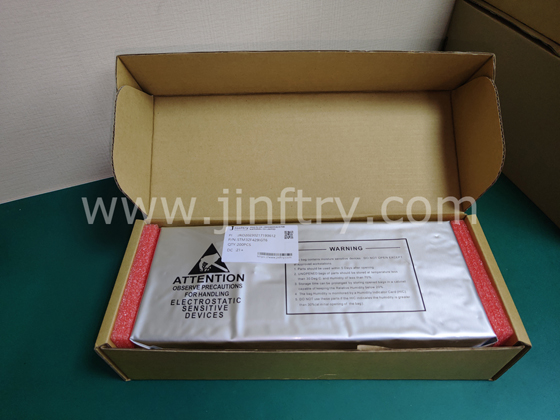
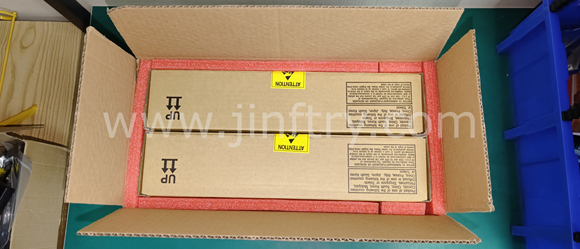
• Prompt Responsiveness
• Guaranteed Quality
• Global Access
• Competitive Market Price
• One-Stop support services of supply chain
Jinftry, Your most trustworthy component supplier, welcome to send us the inquiry, thank you!
Do you have any questions about CATTEN-03R0-BNC ?
Feel free to contact us:
CATTEN-03R0-BNC Related Products
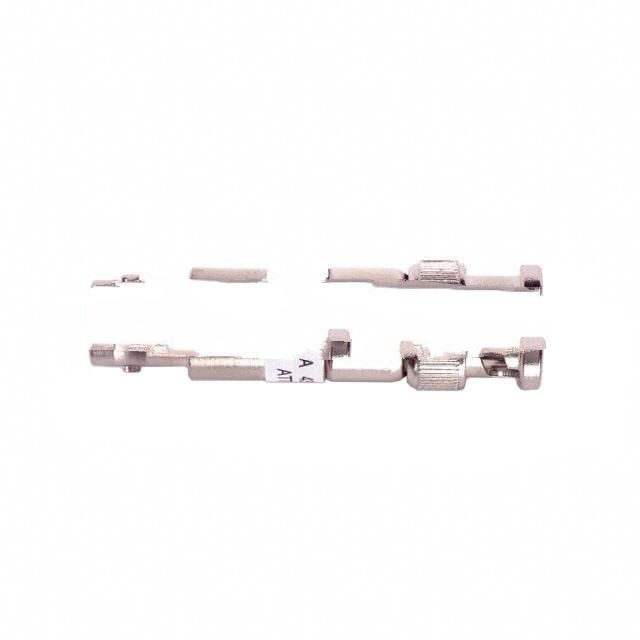
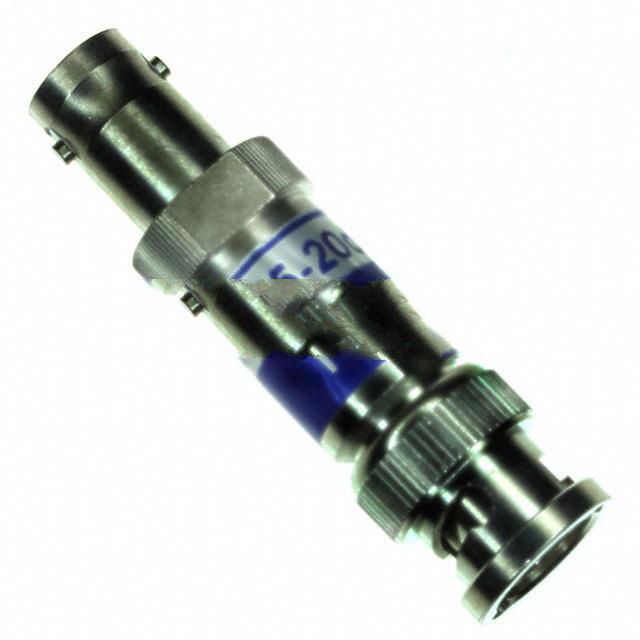
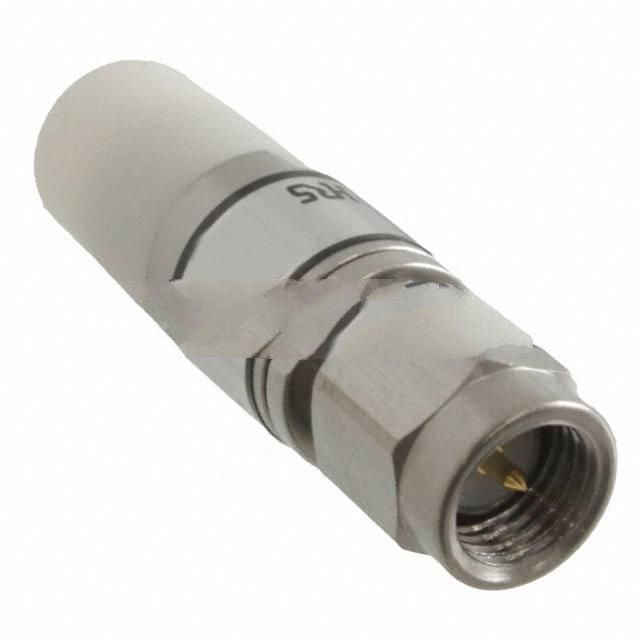
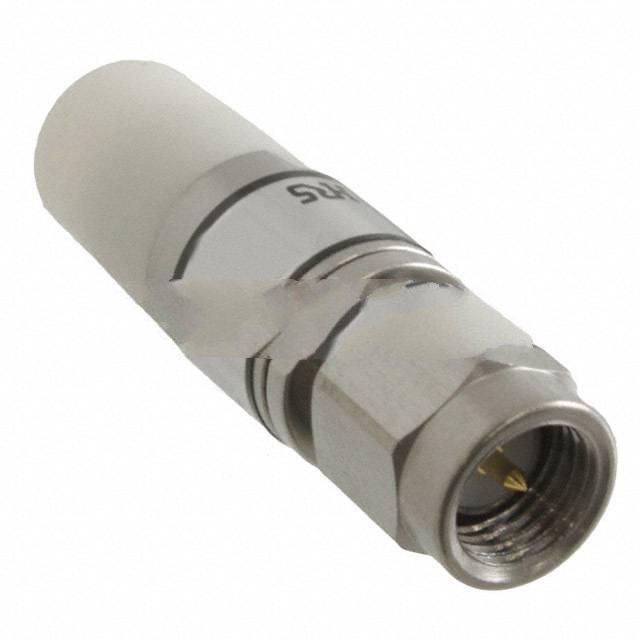
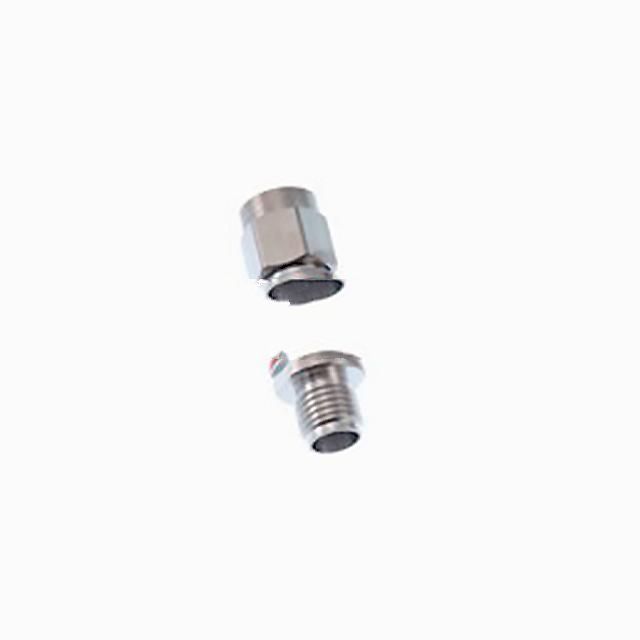
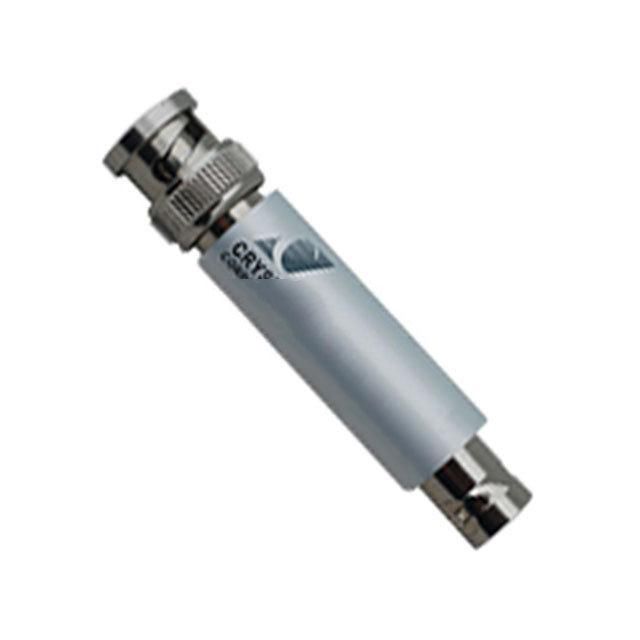
ATTENUATOR BNC 1GHZ 50 OHM 20DB
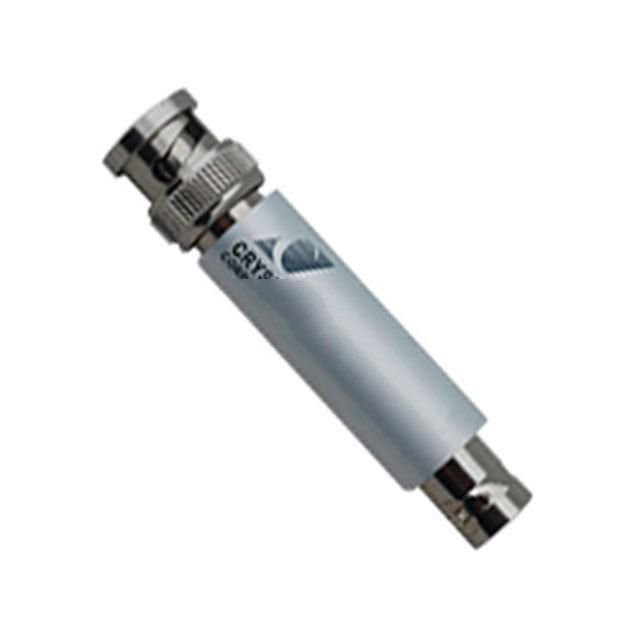
ATTENUATOR BNC 1GHZ 50 OHM 6DB
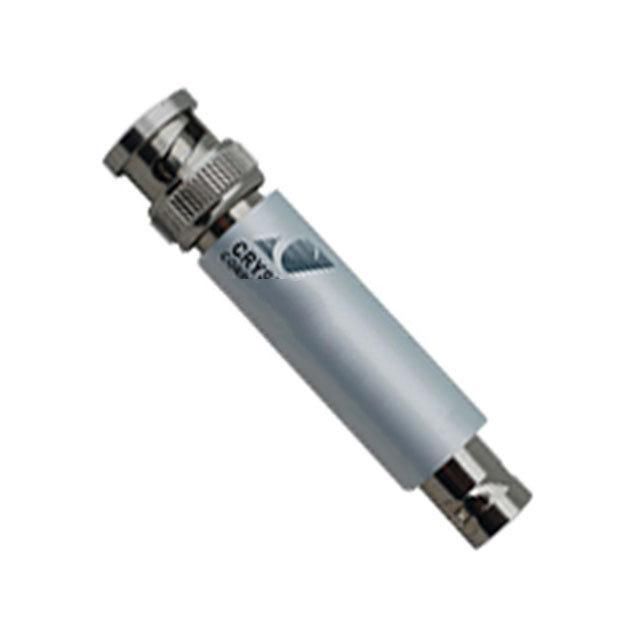
ATTENUATOR BNC 1GHZ 50 OHM 10DB