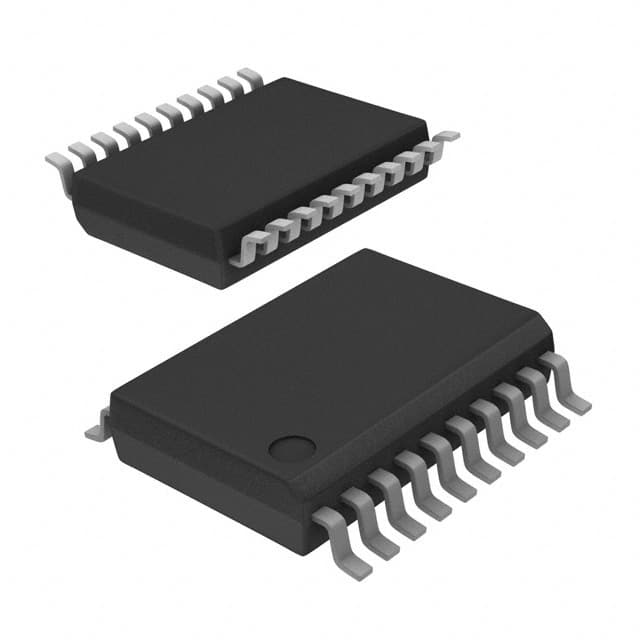
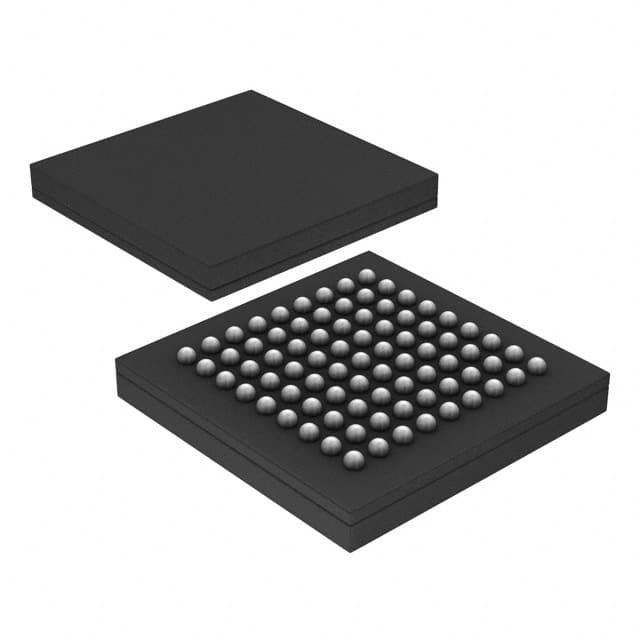
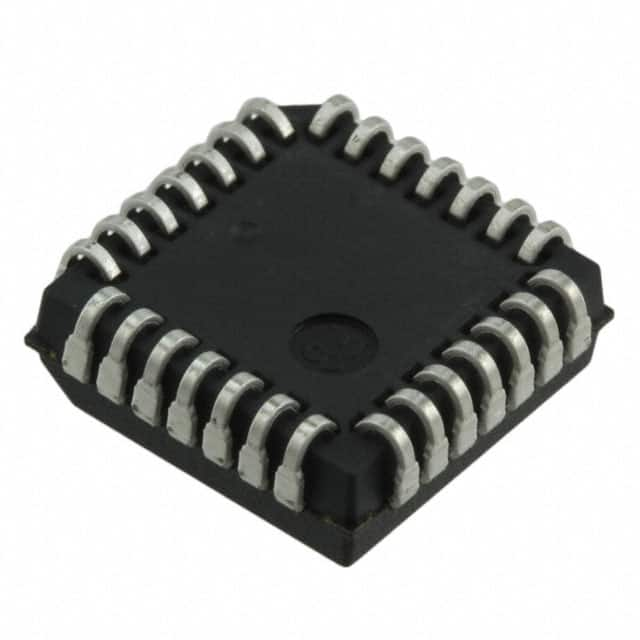
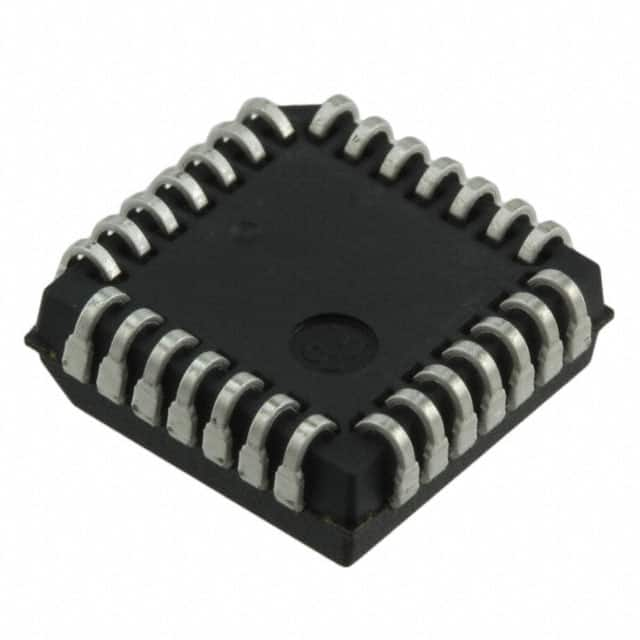
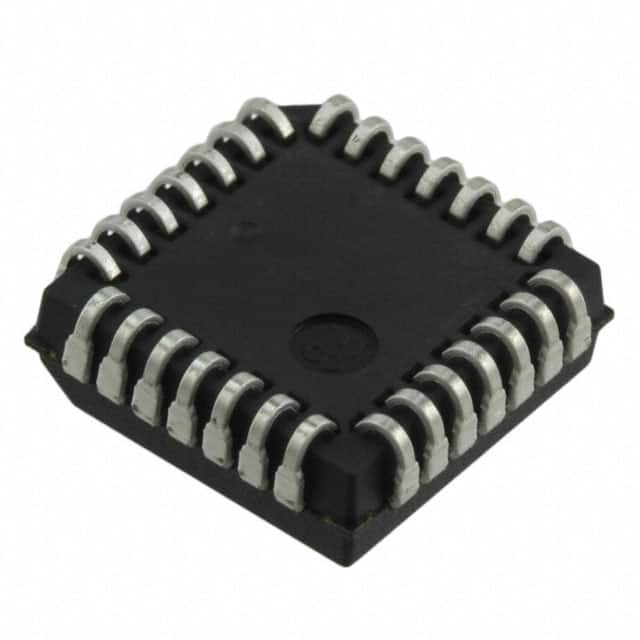
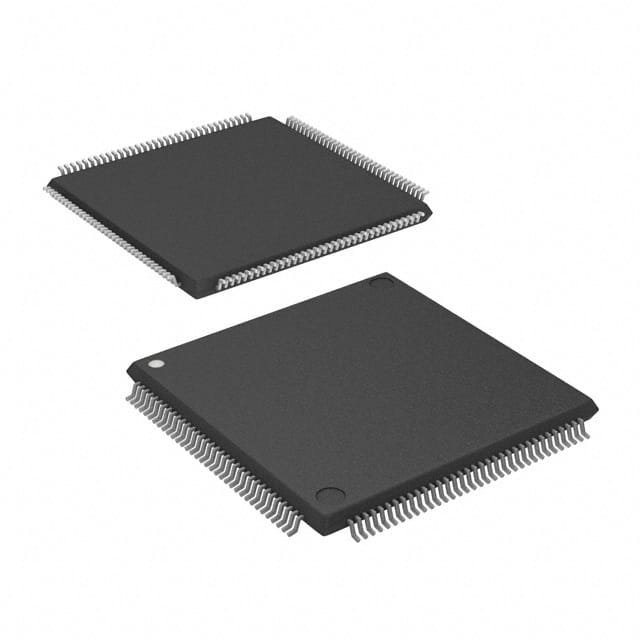
Cirrus Logic Inc. CS8130-CSZ
- CS8130-CSZ
- Cirrus Logic Inc.
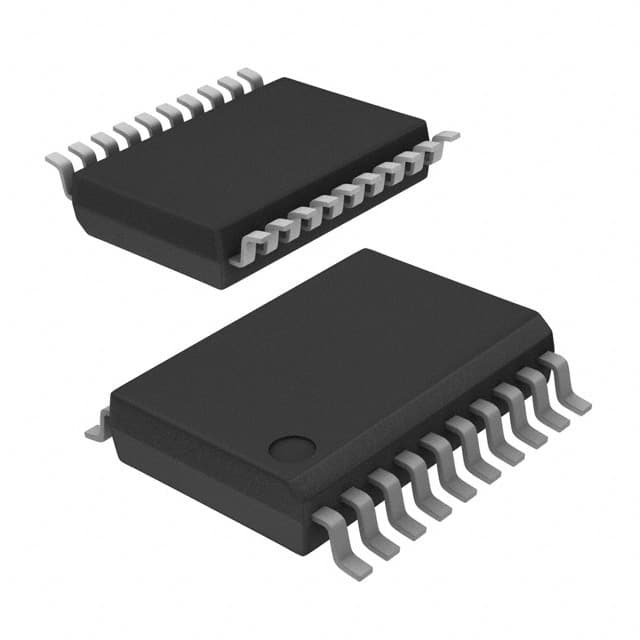
- IC INTERFACE SPECIALIZED 20SSOP
- Interface - Specialized
- CS8130-CSZ Datasheet
- 20-SSOP (0.209\", 5.30mm Width)
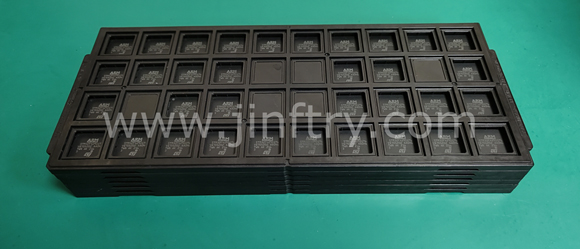
- Tube
-
Lead free / RoHS Compliant - 3703
- Spot Inventory / Athorized Dstributor / Factory Excess Stock
- 1 year quality assurance 》
- Click to get rates
What is CS8130-CSZ
Cirrus Logic Inc. Part Number CS8130-CSZ(Interface - Specialized), developed and manufactured by Cirrus Logic Inc., distributed globally by Jinftry. We distribute various electronic components from world-renowned brands and provide one-stop services, making us a trusted global electronic component distributor.
CS8130-CSZ is one of the part numbers distributed by Jinftry, and you can learn about its specifications/configurations, package/case, Datasheet, and other information here. Electronic components are affected by supply and demand, and prices fluctuate frequently. If you have a demand, please do not hesitate to send us an RFQ or email us immediately [email protected] Please inquire about the real-time unit price, Data Code, Lead time, payment terms, and any other information you would like to know. We will do our best to provide you with a quotation and reply as soon as possible.
CS8130-CSZ Specifications
- Part NumberCS8130-CSZ
- CategoryInterface - Specialized
- ManufacturerCirrus Logic Inc.
- DescriptionIC INTERFACE SPECIALIZED 20SSOP
- PackageTube
- Series-
- Interface-
- Voltage - Supply2.7V ~ 5.5V
- Mounting TypeSurface Mount
- Package / Case20-SSOP (0.209\", 5.30mm Width)
- Supplier Device Package20-SSOP
- Applications-
Application of CS8130-CSZ
CS8130-CSZ Datasheet
CS8130-CSZ Datasheet , Tube,2.7V ~ 5.5V,Surface Mount,20-SSOP (0.209\", 5.30mm Width),20-SSOP
CS8130-CSZ Classification
Interface - Specialized
FAQ about Interface - Specialized
-
1. What is an IC interface?
An IC interface is an integrated circuit specially designed for signal transmission and exchange between different electronic devices or systems. Its main function is to achieve compatibility between different circuits or systems, and is commonly found in various communication protocols and data transmission interfaces.
Main characteristics of IC interfaces
Signal conversion: IC interfaces are able to convert between different signal standards, such as converting TTL signals to RS-232 signals, or converting parallel signals to serial signals, etc.
Protocol support: IC interfaces usually support specific communication protocols, such as I²C, SPI, UART, USB, etc., and can achieve up and down communication between various devices.
Level conversion: IC interfaces can perform level conversion as needed to adapt to devices with different operating voltages, such as converting 3.3V signals to 5V signals.
Buffering and driving capabilities: IC interfaces usually have buffering and driving functions, which can improve the ability of signal transmission, reduce load, and increase the driving capability and transmission distance of signals.
Multiplexing and demultiplexing: Some IC interfaces support multiplexing and demultiplexing functions, which can transmit multiple signals on the same channel and improve communication efficiency.
Data rate and latency: IC interfaces are able to support different data transmission rates and consider latency when designing to meet the needs of specific applications and ensure real-time performance.
Easy integration: IC interfaces are usually designed to be miniaturized and highly integrated, which is convenient for use with other circuits (such as microprocessors, sensors, etc.), reducing PCB space and improving overall reliability.
Anti-interference: IC interfaces usually have anti-interference designs to improve the reliability of communication and maintain good signal transmission in noisy electromagnetic environments.
-
2. What is a system interface?
A system interface refers to an interface in a computer system that is used to connect different software components or systems so that they can effectively exchange information or call each other's functions. The main purpose of the system interface is to achieve modularity and scalability of the system, so that each part of the system can be developed and maintained independently while ensuring compatibility and interoperability between them.
Definition and role of system interface
The system interface is a shared boundary for information exchange between two independent components in a computer system. This exchange can occur between computer software components, between hardware components, or between software and hardware. The role of the interface includes:
Normality: The interface defines the interaction mode between components, ensuring that each component communicates according to a unified standard, thereby improving the stability and maintainability of the system.
Extensibility: Through interface programming, when system requirements change, only new implementation classes need to be modified or added without changing existing code, thereby reducing the complexity and cost of system maintenance.
Flexibility: The interface enables each part of the system to be developed, tested and deployed independently, improving development efficiency.
Types of system interfaces
System interfaces can be divided into the following categories:
External interface: Interface between different systems, such as data exchange interface between different software systems.
Internal interface: Interface between different modules within the system, such as interface between upper-level services and lower-level services.
Web interface: Interface based on HTTP protocol and Web Service interface, commonly used for communication between Web applications and services. -
3. What is a sensor interface IC?
Sensor interface IC (Sensor Interface IC) refers to an integrated circuit that can convert sensor signals into digital signals or analog signals. Its main function is to connect sensors with data acquisition equipment, and convert sensor signals into digital signals or analog signals by processing them for subsequent data processing and analysis.
Composition and functions of sensor interface IC
Sensor interface IC usually includes the following parts:
Analog front end (AFE): including multiplexer, programmable gain amplifier and analog-to-digital converter. The multiplexer is used to select sensor signals, and the analog-to-digital converter converts analog signals into digital signals.
Digital signal processing (DSP): filtering, calibrating and other operations on the converted digital signals.
Communication interface: transmitting the processed signals to other devices or systems.
Output interface: providing the measurement results of the sensor, usually voltage or current signals.
We are a professional PCB manufacturer who offers comprehensive PCB manufacturing services including: professional Ceramic PCB HDI PCB Heavy Copper PCB High-TG PCB High Speed PCB High Frequency PCB Metal Core PCB PCB fabrication and PCB assembly, providing fast turnaround prototypes for high-end products.
• Prompt Responsiveness
• Guaranteed Quality
• Global Access
• Competitive Market Price
• One-Stop support services of supply chain
Jinftry, Your most trustworthy component supplier, welcome to send us the inquiry, thank you!
Do you have any questions about CS8130-CSZ ?
Feel free to contact us: