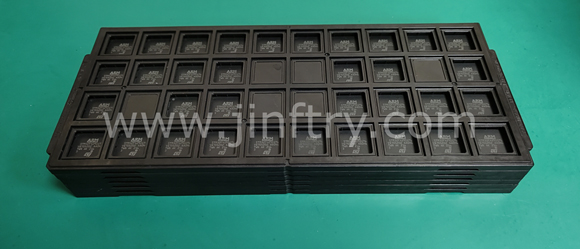
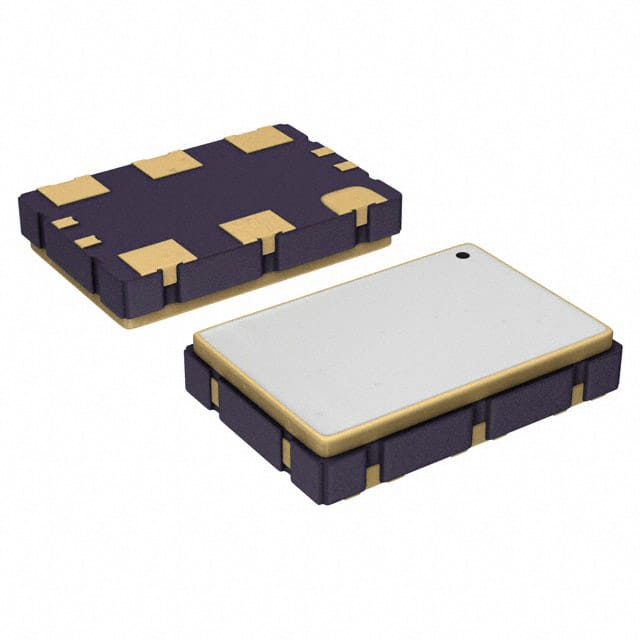
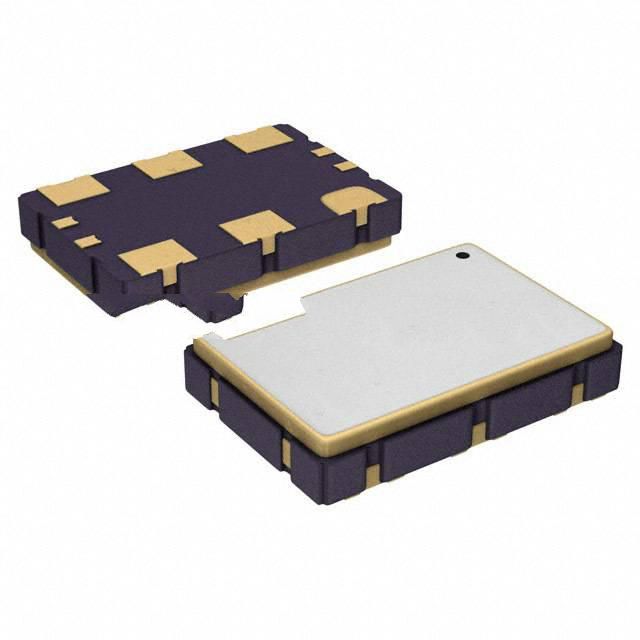
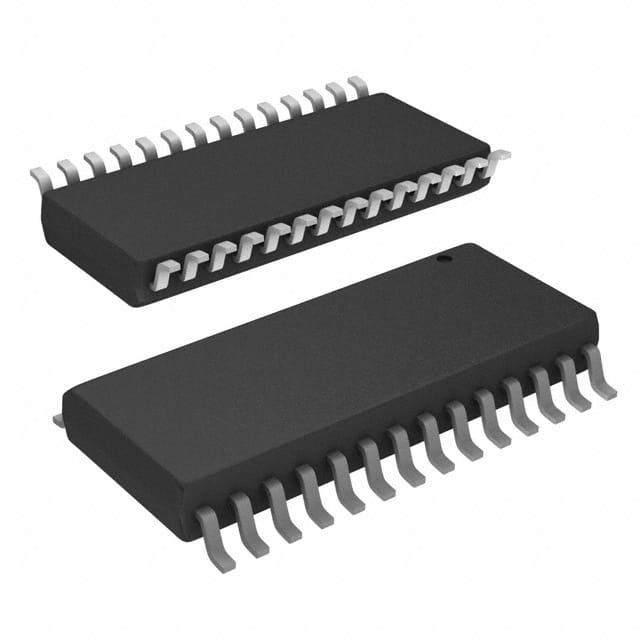
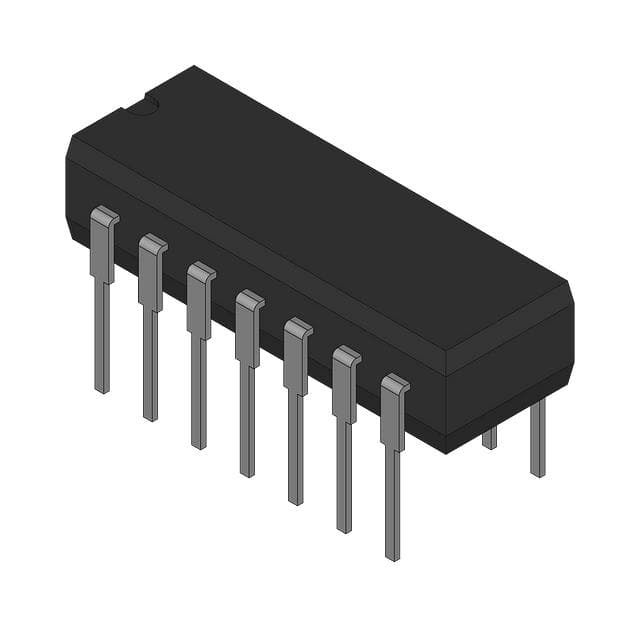
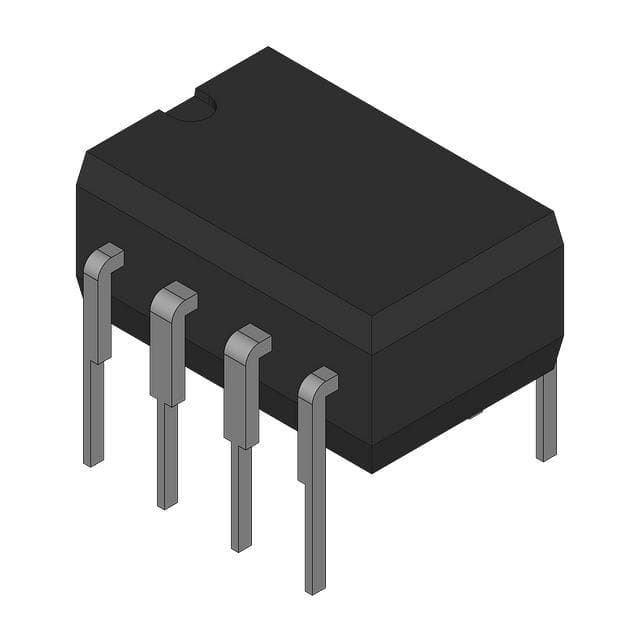
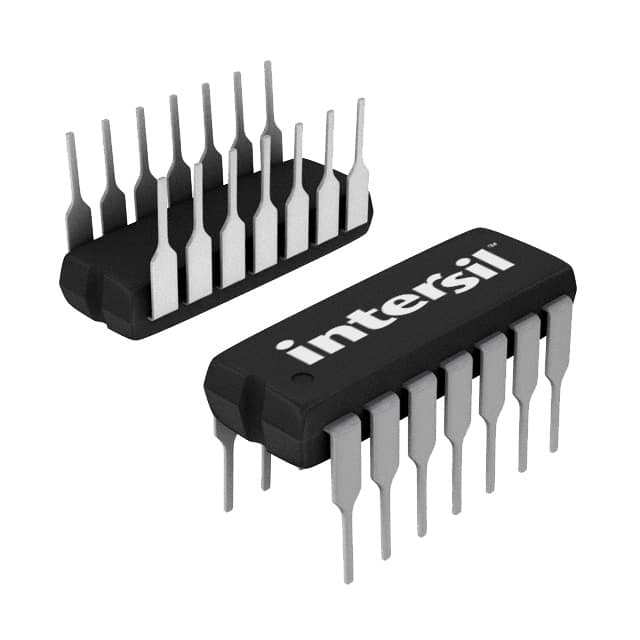
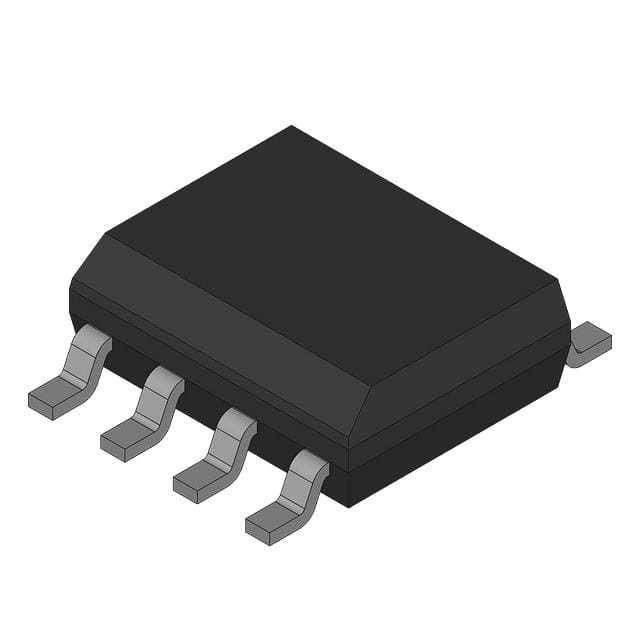
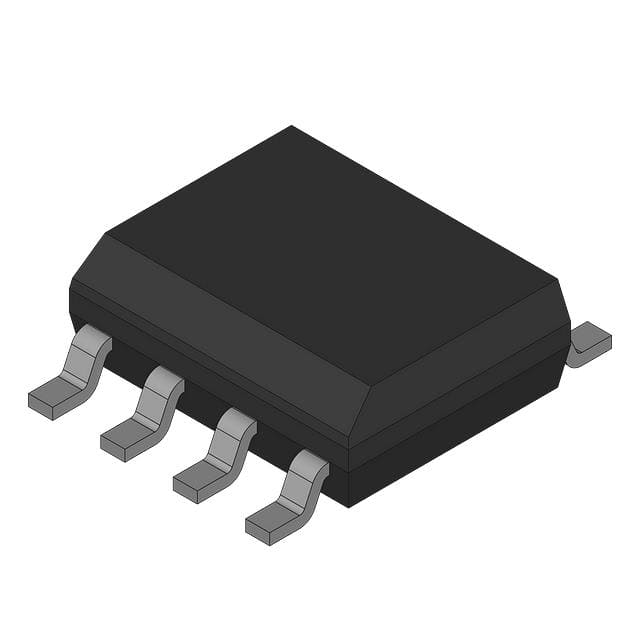
IS82C54-10 Product Introduction:
Intersil Part Number IS82C54-10(Clock/Timing - Programmable Timers and Oscillators), developed and manufactured by Intersil, distributed globally by Jinftry. We distribute various electronic components from world-renowned brands and provide one-stop services, making us a trusted global electronic component distributor.
IS82C54-10 is one of the part numbers distributed by Jinftry, and you can learn about its specifications/configurations, package/case, Datasheet, and other information here. Electronic components are affected by supply and demand, and prices fluctuate frequently. If you have a demand, please do not hesitate to send us an RFQ or email us immediately sales@jinftry.com Please inquire about the real-time unit price, Data Code, Lead time, payment terms, and any other information you would like to know. We will do our best to provide you with a quotation and reply as soon as possible.
Introducing the Intersil IS82C54-10, a versatile and high-performance programmable interval timer designed to meet the demanding requirements of various applications. With its advanced features and reliable performance, this timer is the perfect solution for a wide range of industries.
The IS82C54-10 offers four independent 16-bit counters, each capable of operating in different modes such as rate generation, event counting, and time delay. This flexibility allows for precise timing control, making it ideal for applications that require accurate timekeeping and synchronization.
One of the standout features of the IS82C54-10 is its high-speed operation, with a maximum clock frequency of 10 MHz. This ensures fast and efficient processing, enabling the timer to handle complex tasks with ease.
The IS82C54-10 is widely used in various fields, including industrial automation, telecommunications, and embedded systems. In industrial automation, it can be utilized for precise timing in manufacturing processes, motor control, and robotics. In telecommunications, it can be employed for synchronization and timing in network equipment. In embedded systems, it can be integrated into microcontroller-based designs to provide accurate timing for various applications.
With its exceptional performance, versatility, and reliability, the Intersil IS82C54-10 is the go-to choice for engineers and designers seeking a high-quality programmable interval timer for their projects.
Programmable Timers are electronic components that allow users to program time intervals or perform specific temporal logic. It integrates counters, logic circuits, and possibly storage units to precisely control the time flow according to preset instructions. The main function is to provide accurate time delay or timing signals. Oscillators are circuits that produce periodically changing signals, and their core is to be able to stably output signals of a certain frequency as a clock source or signal source for electronic systems.
Application
Programmable timer, main function is to provide accurate time control function. Whether it is simple timing delay, or complex timing logic, it can be programmed to achieve. This makes it widely used in situations where precise time management is required, such as industrial automation, communication equipment, consumer electronics and so on. Oscillators are used in a wide range of fields, including but not limited to electronic engineering, communications, measurement, computer systems, clock synchronization, control equipment and many other fields. In radio communication, oscillators are used to generate carrier signals; In audio equipment, oscillators are used to generate audio signals; Inside the computer, an oscillator is used to provide the system clock.
FAQ about Clock/Timing - Programmable Timers and Oscillators
-
1. What is the most commonly used oscillator?
The most commonly used oscillator is the crystal oscillator. A crystal oscillator is an oscillator based on quartz crystals. It has the characteristics of accurate frequency, good stability, low noise, and long life. It is widely used in high-precision fields such as clocks, timing, and measurement.
Crystal oscillators use the mechanical resonance of quartz crystals to generate electrical signals with very precise frequencies. Such oscillators have high stability, quality factor, small size, and low cost, making them superior to other resonators such as LC circuits, ceramic resonators, and forks.
In addition to crystal oscillators, other common oscillator types include LC oscillators and [oscillator tube oscillators. LC oscillators are oscillators based on inductors and capacitors, which are suitable for lower frequency ranges, such as radio frequency amplifiers, radio transceivers, digital televisions, etc. Oscillator tube oscillators are often used in amplifiers, generators, mixers, and other fields in the microwave frequency band.
-
2. What is the difference between an oscillator and a clock?
The main difference between an oscillator and a clock is that they have different functions and uses. An oscillator is an electronic component that can convert DC power into AC power with a certain frequency, and autonomously generate periodic signals, and is often used in clock circuits, communications and other fields. The clock is used to generate and maintain stable and accurate time signals to ensure the synchronization and coordination of electronic equipment.
An oscillator is an electronic circuit or device whose function is to convert direct current (DC) energy into alternating current (AC) energy with a certain frequency, amplitude and waveform. It can spontaneously generate and maintain a stable oscillation state without external periodic signal drive, and output continuous and repetitive AC signals. Oscillators are widely used in many fields such as electronic engineering, communications, measurement, computer systems, clock synchronization, and control equipment.
-
3. What are the three types of oscillators?
There are three main types of oscillators: RC oscillators, LC oscillators, and crystal oscillators.
RC oscillators are oscillators that use an RC network as a frequency-selective phase-shifting network. They are usually used to generate sinusoidal signals and are suitable for the audio range. This type of oscillator has the characteristics of simple structure and low cost, and is often used in various electronic devices.
LC oscillators are positive feedback oscillators that use an LC oscillation loop as a phase-shifting frequency-selective network. They are suitable for lower frequency ranges, such as RF amplifiers, radio transceivers, and digital televisions. LC oscillators can be classified into three types according to the different feedback methods: transformer feedback, inductor feedback, and capacitor feedback.

 Lead free / RoHS Compliant