SSI Technologies Inc P51-75-A-N-M12-4.5OV
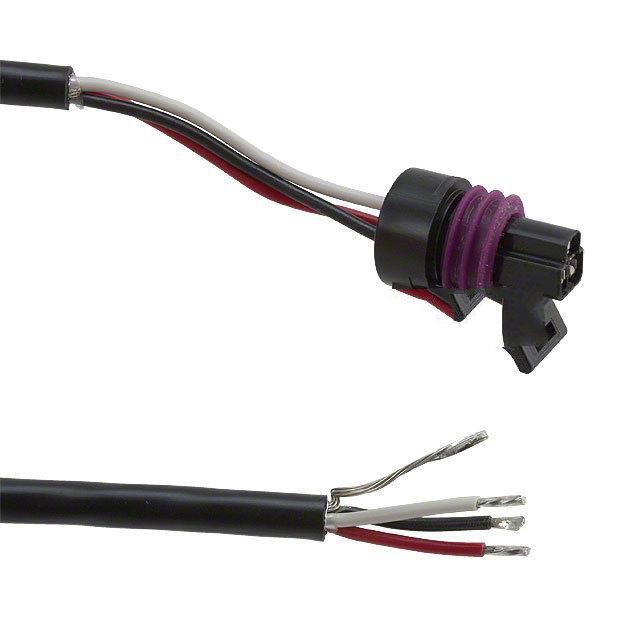
The picture is for reference only, please refer to the product specification
- P51-75-A-N-M12-4.5OV
- SSI Technologies Inc
- SENSOR 75PSI 1.2-20UNF-2A 4.5V
- Pressure Sensors, Transducers
- P51-75-A-N-M12-4.5OV Datasheet
- Cylinder
- Cylinder
-
 Lead free / RoHS Compliant
 - 13639
- Spot Inventory / Athorized Dstributor / Factory Excess Stock
- 1 year quality assurance 》
- Click to get rates


What is P51-75-A-N-M12-4.5OV
SSI Technologies Inc Part Number P51-75-A-N-M12-4.5OV(Pressure Sensors, Transducers), developed and manufactured by SSI Technologies Inc, distributed globally by Jinftry. We distribute various electronic components from world-renowned brands and provide one-stop services, making us a trusted global electronic component distributor.
P51-75-A-N-M12-4.5OV is one of the part numbers distributed by Jinftry, and you can learn about its specifications/configurations, package/case, Datasheet, and other information here. Electronic components are affected by supply and demand, and prices fluctuate frequently. If you have a demand, please do not hesitate to send us an RFQ or email us immediately [email protected] Please inquire about the real-time unit price, Data Code, Lead time, payment terms, and any other information you would like to know. We will do our best to provide you with a quotation and reply as soon as possible.
P51-75-A-N-M12-4.5OV Specifications
- Part NumberP51-75-A-N-M12-4.5OV
- CategoryPressure Sensors, Transducers
- ManufacturerSSI Technologies Inc
- DescriptionSENSOR 75PSI 1.2-20UNF-2A 4.5V
- PackageCylinder
- SeriesMediaSensor?
- FeaturesAmplified Output, Temperature Compensated
- Voltage - Supply5V
- Operating Temperature-40°C ~ 105°C
- Package / CaseCylinder
- Output0.5 V ~ 4.5 V
- Accuracy±0.5%
- Output TypeAnalog Voltage
- Termination StyleM12, 4 Pin
- Pressure TypeAbsolute
- Operating Pressure75 PSI (517.11 kPa)
- Port StyleThreaded
Application of P51-75-A-N-M12-4.5OV
P51-75-A-N-M12-4.5OV Datasheet
P51-75-A-N-M12-4.5OV Datasheet , Cylinder,MediaSensor?,Amplified Output, Temperature Compensated,5V,-40°C ~ 105°C,Cylinder,0.5 V ~ 4.5 V,±0.5%,Analog Voltage,M12, 4 Pin,Absolute,75 PSI (517.11 kPa),Threaded
P51-75-A-N-M12-4.5OV Classification
Pressure Sensors, Transducers
FAQ about Pressure Sensors, Transducers
-
1. What sensors can be used to measure pressure?
Sensors that can be used to measure pressure mainly include pressure sensors. Pressure sensors can sense pressure signals and convert them into usable electrical signals for output. This type of sensor is usually composed of a pressure sensitive element and a signal processing unit, and is widely used in various industrial automatic control environments, such as water conservancy and hydropower, railway transportation, intelligent buildings, production automatic control, aerospace, military industry, petrochemicals, oil wells, electricity, ships, machine tools, pipelines and other fields.
Application fields of pressure sensors
Industrial field: In industrial production, pressure sensors are used to monitor and control the operating status of various equipment, such as boilers, pipelines, reactors, etc., to ensure production efficiency and product quality, and avoid equipment damage and production accidents.
Medical field: Pressure sensors can accurately measure physiological parameters such as blood pressure and heart rate of patients, and are used in equipment such as ventilators and infusion pumps to ensure patient safety and comfort.
Environmental protection field: Pressure sensors are used in sewage treatment plants, meteorological monitoring, etc. to monitor pipeline pressure conditions, avoid environmental pollution and waste of resources, and provide accurate data for weather forecasts.
Aerospace field: Pressure sensors monitor the cylinder pressure, engine intake pressure and atmospheric pressure of aircraft and spacecraft to ensure the safe and stable operation of aircraft and spacecraft.
What are the four types of pressure sensors?
There are four main types of pressure sensors:
Strain pressure sensor: Strain pressure sensors measure pressure mainly by measuring the strain of elastic elements. Depending on the material, strain elements are divided into metals and semiconductors. When conductors and semiconductor materials are mechanically deformed, their resistance values change.
Piezo-resistive pressure sensor: Piezoresistive pressure sensors are made of piezoresistive effect of single-crystal silicon materials and integrated circuits. When single-crystal silicon materials are subjected to force, the resistivity changes, and an electrical signal proportional to the force change is output through the measuring circuit.
Capacitive pressure sensor: Capacitive pressure sensors use changes in capacitance to measure pressure. When the electrode senses pressure deformation, the capacitance changes, forming an electrical signal output.
Piezoelectric pressure sensor: Piezoelectric pressure sensors use the piezoelectric effect to convert pressure into electrical quantity for measurement. This sensor does not require an external power supply, and directly reflects the pressure by measuring the amount of charge generated, with extremely high sensitivity and fast response time.
-
2. What is the difference between a transducer and a sensor?
Sensors and transducers are two different concepts. A sensor is a device that converts non-electrical signals into electrical signals, while a transducer is a device that converts one form of energy into another form.
1. Definition of sensors and transducers
Both sensors and transducers are devices that measure physical quantities.
A sensor is a device that converts non-electrical signals into electrical signals, and is usually used to convert physical quantities into electrical signals, such as temperature, pressure, humidity, light intensity, etc. Sensors are widely used in industry, medical care, environmental monitoring and other fields.
A transducer is a device that converts one form of energy into another. A transducer can convert any form of physical quantity (such as pressure, force, torque, displacement, sound, light, heat, etc.) into electrical signals or other forms of energy output. The application field of transducers is also very wide, and they are often used to detect, control and measure various industrial processes.
2. The difference between sensors and transducers
The main difference between sensors and transducers is which signal they convert into which signal. Sensors mainly convert non-electrical signals into electrical signals, while transducers can convert any form of signal into other forms of energy, such as electrical signals or mechanical motion.
In addition, the application fields of sensors and transducers are also different. Sensors are mainly used to detect, monitor and measure various physical quantities, such as temperature, pressure, humidity, light intensity, etc.; while transducers are widely used to control, measure and detect various industrial processes, such as flow, speed, force, pressure and displacement, etc.
3. Application fields of sensors and transducers
Sensors and transducers have a wide range of applications. Sensors are usually used in the following fields:
1. Industrial process control and monitoring.
2. Equipment control and monitoring in the fields of automobiles, machinery, electronics, medical equipment, aerospace, etc.
3. Environmental monitoring and weather forecasting.
4. Home automation and smart home fields.
Transducers are mainly used in the following fields:
1. Exploration and production processes in the fields of ocean, petroleum, aviation, energy, etc.
2. Engineering measurement and control fields, such as monitoring and control of structures such as buildings, bridges and tunnels.
3. Scientific research fields, such as physics, chemistry, biology, etc.
4. Music and art fields, such as electronic musical instruments and sound amplifiers, etc.
-
3. What is the difference between a pressure sensor and a pressure transmitter?
The main differences between pressure sensors and pressure transmitters are working principles, signal processing, and application scenarios.
Working principle
Pressure sensor: The main function of a pressure sensor is to convert a pressure signal into an electrical signal. Common pressure sensors include resistance strain gauges, ceramic pressure sensors, and diffused silicon pressure sensors. These sensors convert pressure changes into electrical signal outputs through piezoresistive or piezoelectric effects.
Pressure transmitter: The pressure transmitter adds a signal conditioning module to the pressure sensor, which can further amplify, convert, and output an electrical signal proportional to the pressure. Transmitters usually have higher accuracy and stability and are suitable for a wider range of pressures.
Signal processing
Pressure sensor: Usually outputs signals directly related to pressure, such as resistance values, capacitance values, etc., which require further processing to obtain useful information.
Pressure transmitter: Directly outputs standard electrical signals, which are easy to process and interpret in the control system and are suitable for various automated control systems.
Application scenarios
Pressure sensor: Widely used in scenarios where real-time pressure monitoring is required, such as industrial automation, medical equipment, etc. Due to its high accuracy and stability, it is also suitable for laboratories, instrumentation, and precision measurement fields.
Pressure transmitter: widely used in process control, energy management and other fields, such as petroleum, chemical, water treatment and other industries. Due to its integrated, intelligent and miniaturized characteristics, it is also suitable for various harsh industrial environments.
In summary, pressure sensors and pressure transmitters have significant differences in principles, signal processing and application scenarios. Users should choose suitable products according to specific needs.
We are a professional PCB manufacturer who offers comprehensive PCB manufacturing services including: professional Ceramic PCB HDI PCB Heavy Copper PCB High-TG PCB High Speed PCB High Frequency PCB Metal Core PCB PCB fabrication and PCB assembly, providing fast turnaround prototypes for high-end products.



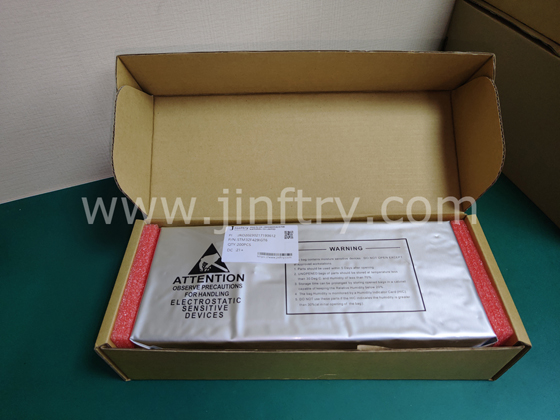
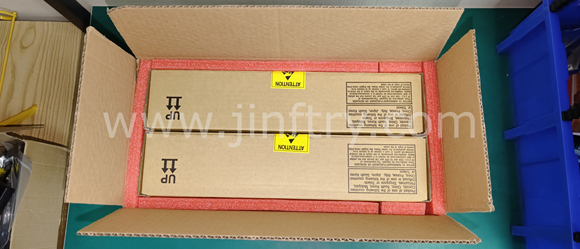
• Prompt Responsiveness
• Guaranteed Quality
• Global Access
• Competitive Market Price
• One-Stop support services of supply chain
Jinftry, Your most trustworthy component supplier, welcome to send us the inquiry, thank you!
Do you have any questions about P51-75-A-N-M12-4.5OV ?
Feel free to contact us:
P51-75-A-N-M12-4.5OV Related Products

SENSOR 750PSI 1.2-20UNF-2A 4.5V

SENSOR 500PSI 1.2-20UNF-2A 4.5V
SENSOR 300PSI 1.2-20UNF-2A 4.5V
SENSOR 200PSI 1.2-20UNF-2A 4.5V

SENSOR 100PSI 1.2-20UNF-2A 4.5V

SENSOR 0-300PSI GAUGE SMT

SENSOR PRESS DIFF 20" H2O 6SIP

SENSOR PRESS DIFF 30" H2O 4SIP

SENSOR PRESS DIFF 10" H2O 4SIP