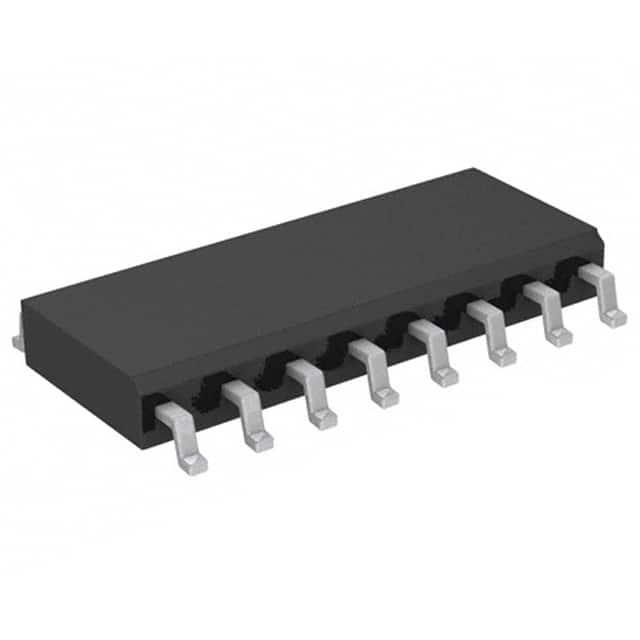
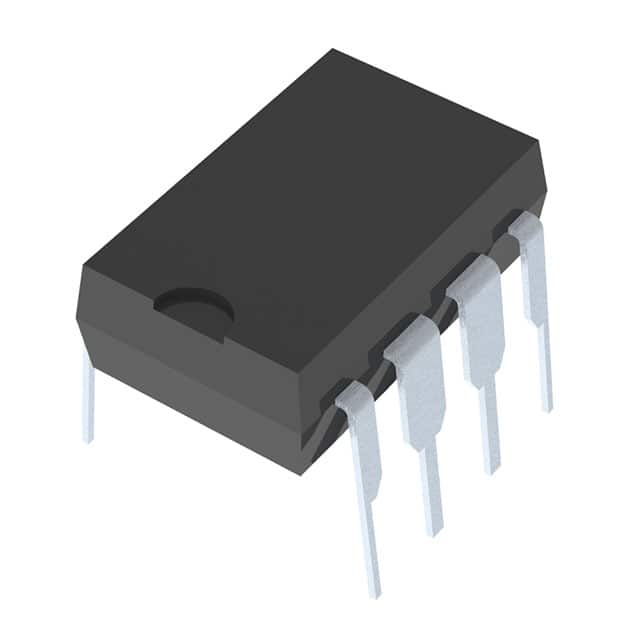
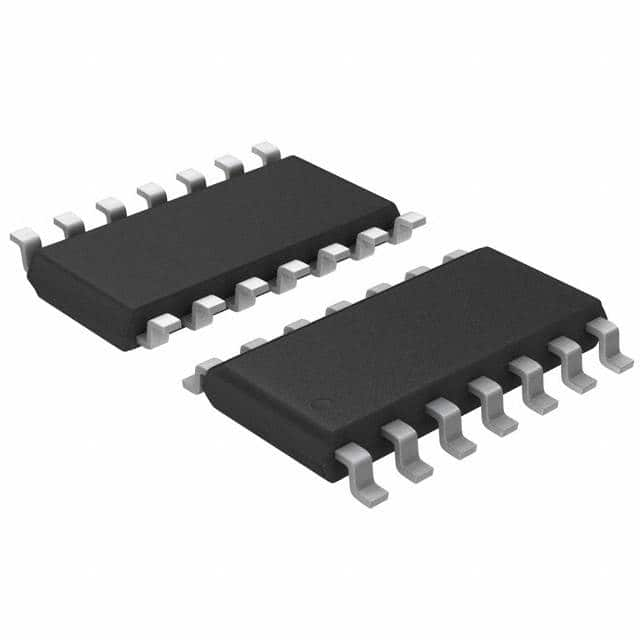
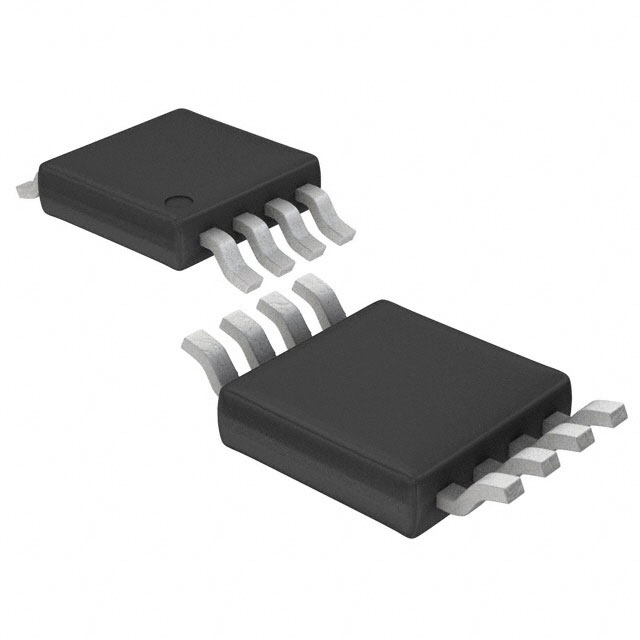
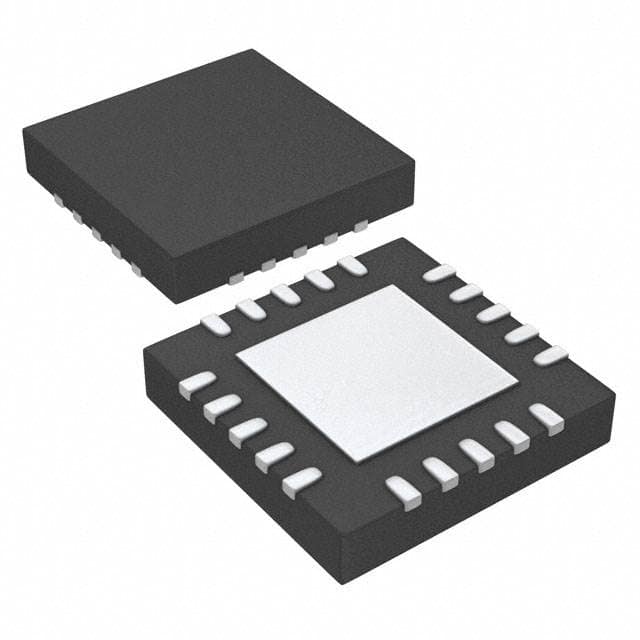
Texas Instruments SN65LBC176P
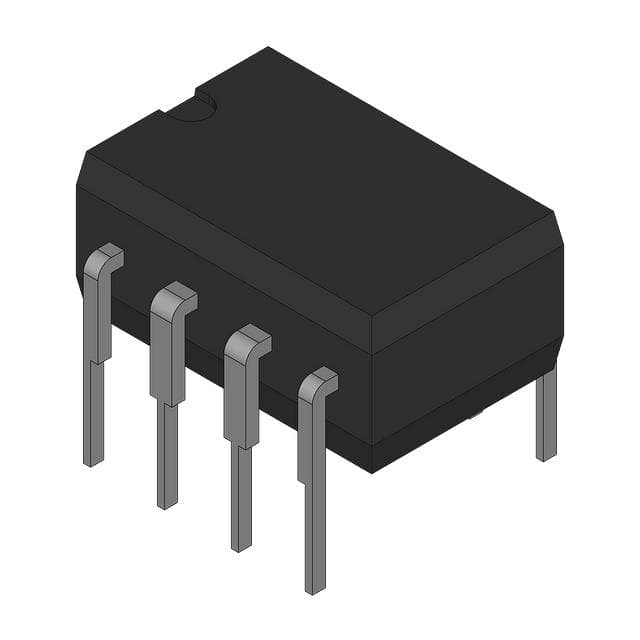
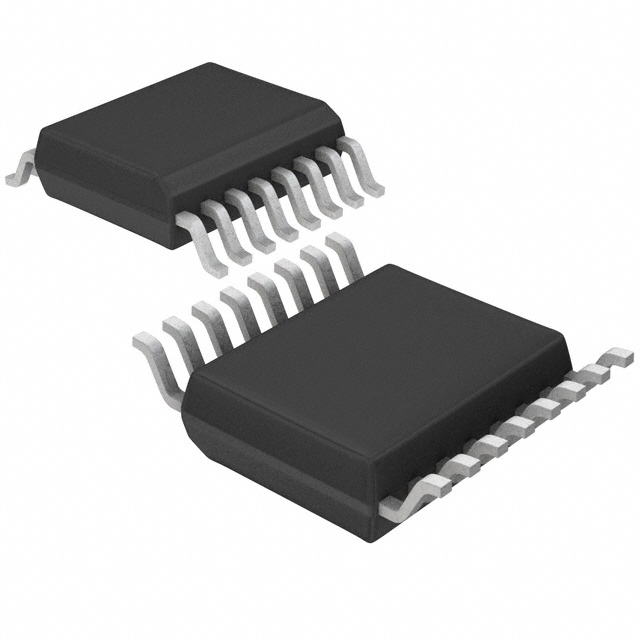
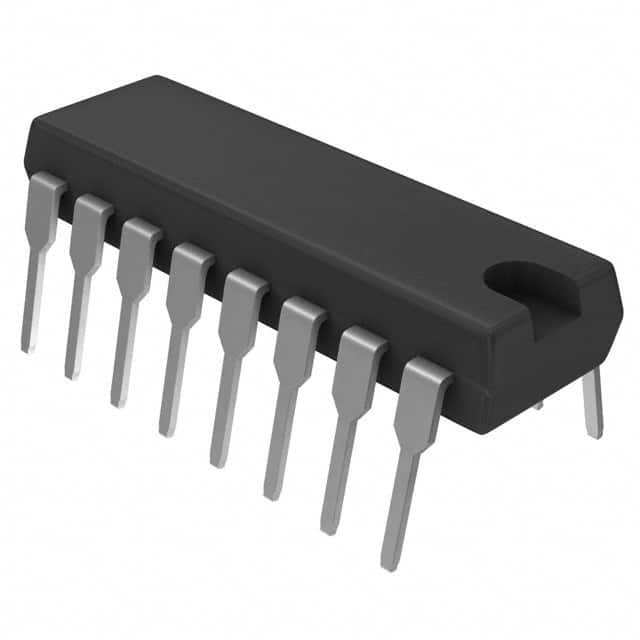
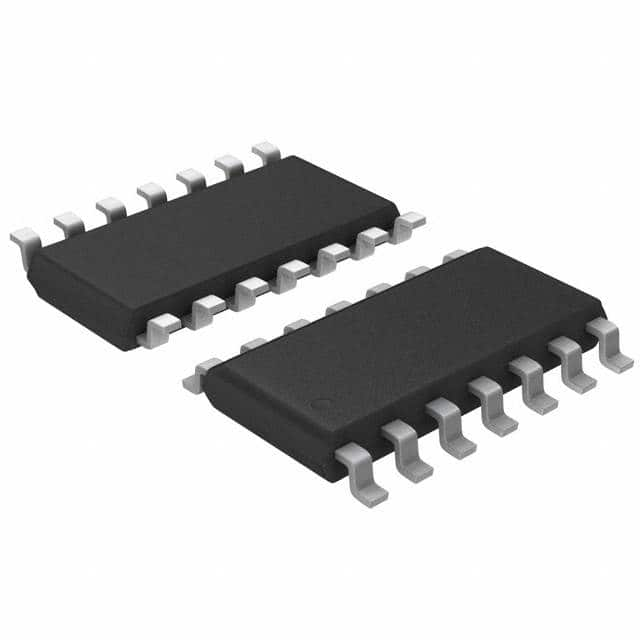
The picture is for reference only, please refer to the product specification
- SN65LBC176P
- Texas Instruments
- IC TRANSCEIVER HALF 1/1 8DIP
- Interface - Drivers, Receivers, Transceivers
- SN65LBC176P Datasheet
- 8-DIP (0.300\", 7.62mm)
- Tube
-
 Lead free / RoHS Compliant
 - 1609
- Spot Inventory / Athorized Dstributor / Factory Excess Stock
- 1 year quality assurance 》
- Click to get rates


What is SN65LBC176P
Texas Instruments Part Number SN65LBC176P(Interface - Drivers, Receivers, Transceivers), developed and manufactured by Texas Instruments, distributed globally by Jinftry. We distribute various electronic components from world-renowned brands and provide one-stop services, making us a trusted global electronic component distributor.
SN65LBC176P is one of the part numbers distributed by Jinftry, and you can learn about its specifications/configurations, package/case, Datasheet, and other information here. Electronic components are affected by supply and demand, and prices fluctuate frequently. If you have a demand, please do not hesitate to send us an RFQ or email us immediately [email protected] Please inquire about the real-time unit price, Data Code, Lead time, payment terms, and any other information you would like to know. We will do our best to provide you with a quotation and reply as soon as possible.
SN65LBC176P Specifications
- Part NumberSN65LBC176P
- CategoryInterface - Drivers, Receivers, Transceivers
- ManufacturerTexas Instruments
- DescriptionIC TRANSCEIVER HALF 1/1 8DIP
- PackageTube
- Series-
- TypeTransceiver
- Voltage - Supply4.75V ~ 5.25V
- Operating Temperature-40°C ~ 85°C
- Mounting TypeThrough Hole
- Package / Case8-DIP (0.300\", 7.62mm)
- Supplier Device Package8-PDIP
- ProtocolRS422, RS485
- Data Rate-
- Number of Drivers/Receivers1/1
- Receiver Hysteresis50 mV
- DuplexHalf
Application of SN65LBC176P
SN65LBC176P Datasheet
SN65LBC176P Datasheet , Tube,Transceiver,4.75V ~ 5.25V,-40°C ~ 85°C,Through Hole,8-DIP (0.300\", 7.62mm),8-PDIP,RS422, RS485,1/1,50 mV,Half
SN65LBC176P Classification
Interface - Drivers, Receivers, Transceivers
FAQ about Interface - Drivers, Receivers, Transceivers
-
1. What is an interface IC?
An interface IC is a chip with an internal interface circuit, which is mainly used for connection and data exchange between the CPU and external devices and memory. The interface IC coordinates the differences in speed, type, timing, etc. between the CPU and external devices through internally set registers, buffer logic, information format conversion and other functions to ensure accurate and efficient data transmission.
The main functions of the interface IC include:
Setting data storage and buffering logic: adapting to the speed difference between the CPU and external devices, and performing batch data transmission through registers or RAM chips.
Information format conversion: such as serial and parallel conversion, adapting to different data transmission requirements.
Coordinating timing differences: ensuring the synchronization of the CPU and external devices in timing.
Address decoding and selection: realizing the selection and control of peripherals.
Setting interrupt and DMA control logic: ensuring the correct processing and transmission of interrupt and DMA request signals.
Interface ICs are widely used in various electronic devices, such as smart homes, industrial automation, computer systems, etc. For example, Type-C interface chips are used to implement Type-C interface functions, supporting high-speed data transmission and power transmission; RS-485 interface chips are used in industrial automation and control systems, supporting multi-point differential signal transmission. -
2. What is a sensor interface IC?
A sensor interface IC is an integrated circuit used to connect sensors and system processors to realize data conversion and transmission. It is mainly responsible for converting analog signals collected by sensors into digital signals, or performing signal conditioning, amplification, filtering and other processing so that the system can recognize and process them.
The main functions of the sensor interface IC include signal conversion, signal conditioning and data transmission. It can amplify and filter the weak signal output by the sensor to improve the quality and stability of the signal, and then convert the processed signal into a digital signal for the system to process. In addition, the interface IC can also realize multiplexing to improve the efficiency and flexibility of the system. -
3. What is the difference between a transmitter and a transceiver?
The core difference between a transmitter and a transceiver lies in their functions and uses. The transmitter is mainly responsible for converting electrical signals into optical signals and transmitting them through optical fibers; while the transceiver has both transmitting and receiving functions, which can convert electrical signals into optical signals for transmission and also convert optical signals into electrical signals for reception.
The transmitter is usually composed of an optical transmitting module, whose function is to convert electrical signals into optical signals and transmit them through optical fibers. It is mainly used to connect devices that need to send data, such as computers, servers, etc. 12. The transceiver contains two modules, optical transmitting and optical receiving, which can complete the two-way transmission of signals, and can both send and receive data.
We are a professional PCB manufacturer who offers comprehensive PCB manufacturing services including: professional Ceramic PCB HDI PCB Heavy Copper PCB High-TG PCB High Speed PCB High Frequency PCB Metal Core PCB PCB fabrication and PCB assembly, providing fast turnaround prototypes for high-end products.



• Prompt Responsiveness
• Guaranteed Quality
• Global Access
• Competitive Market Price
• One-Stop support services of supply chain
Jinftry, Your most trustworthy component supplier, welcome to send us the inquiry, thank you!
Do you have any questions about SN65LBC176P ?
Feel free to contact us: