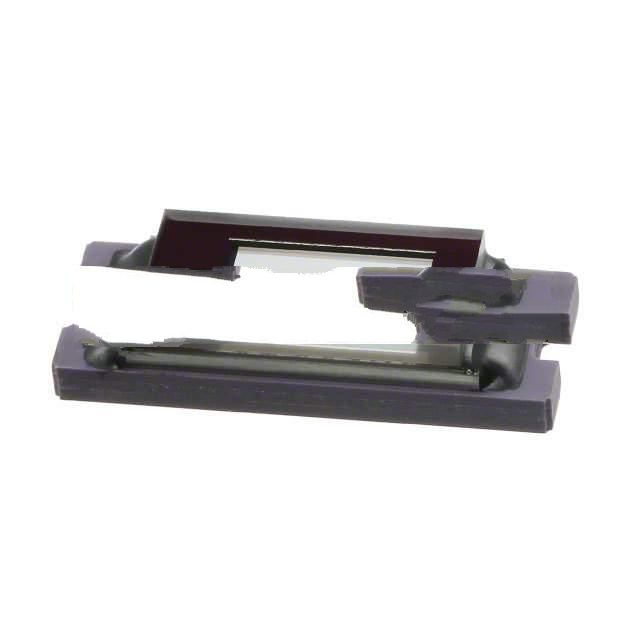
Texas Instruments SN74AHC240N
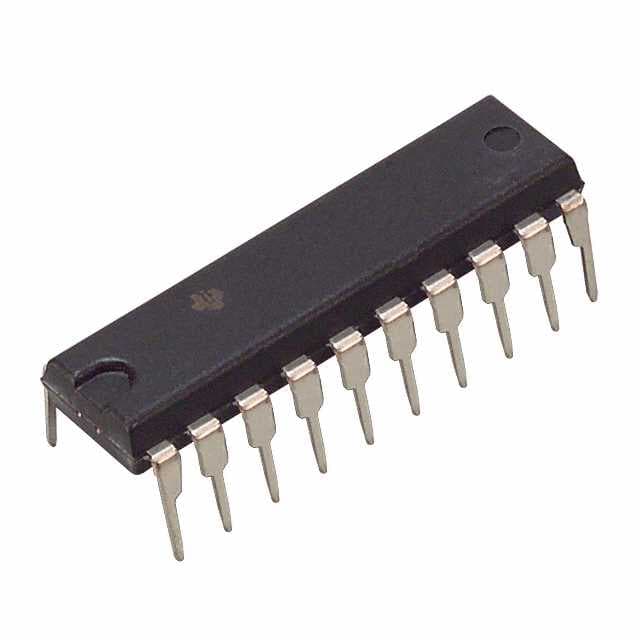
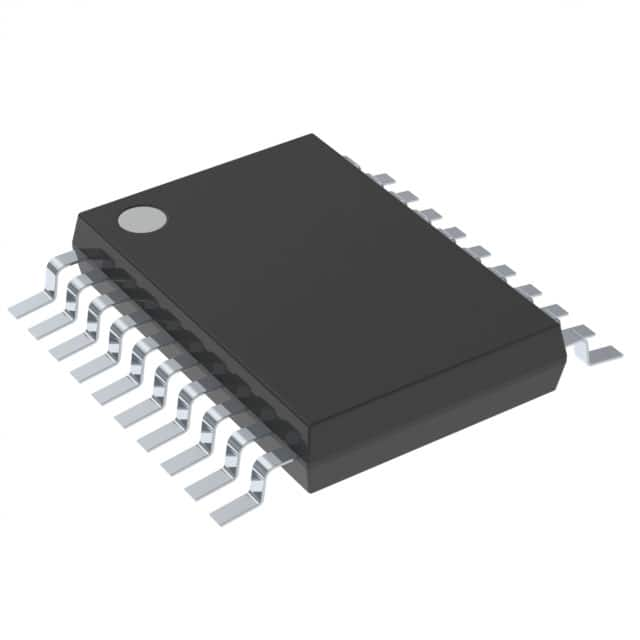
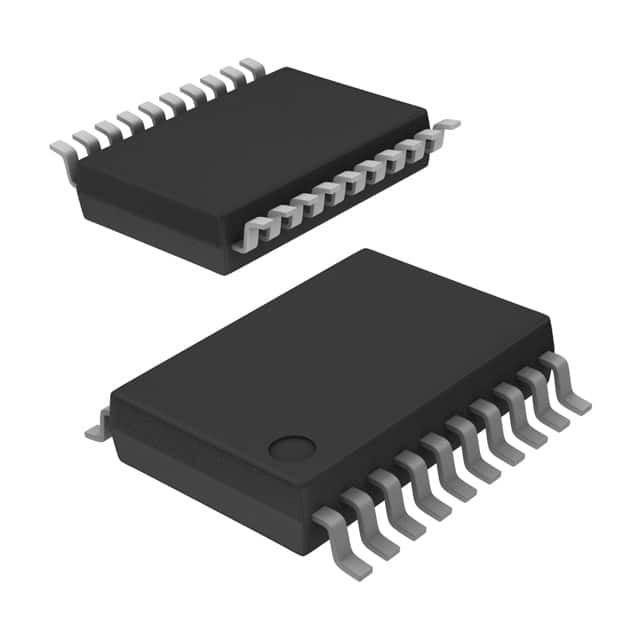
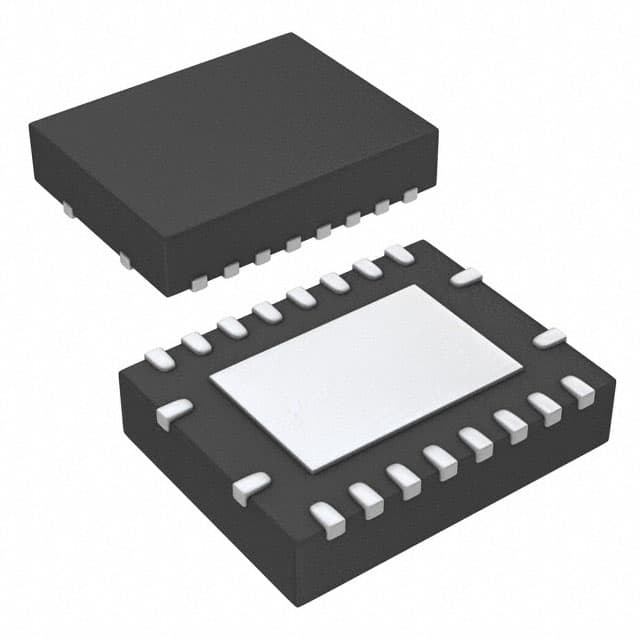
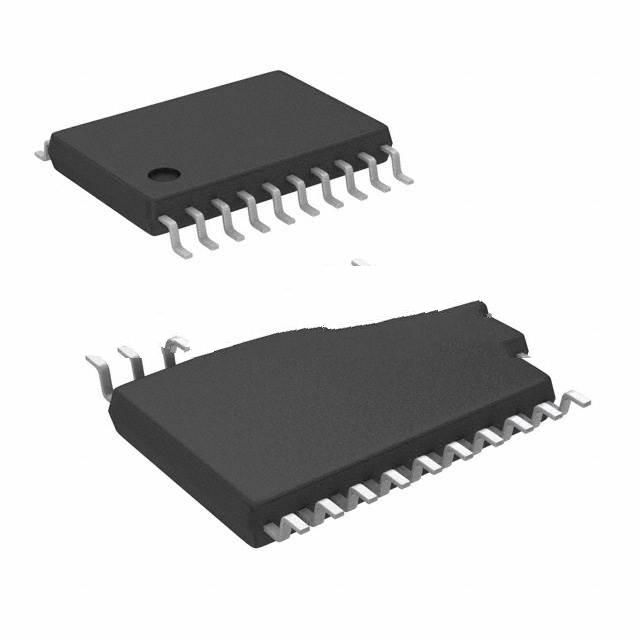
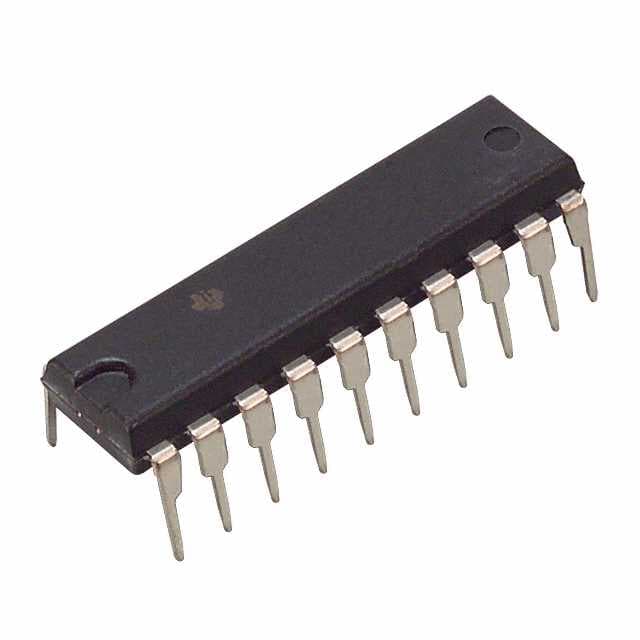
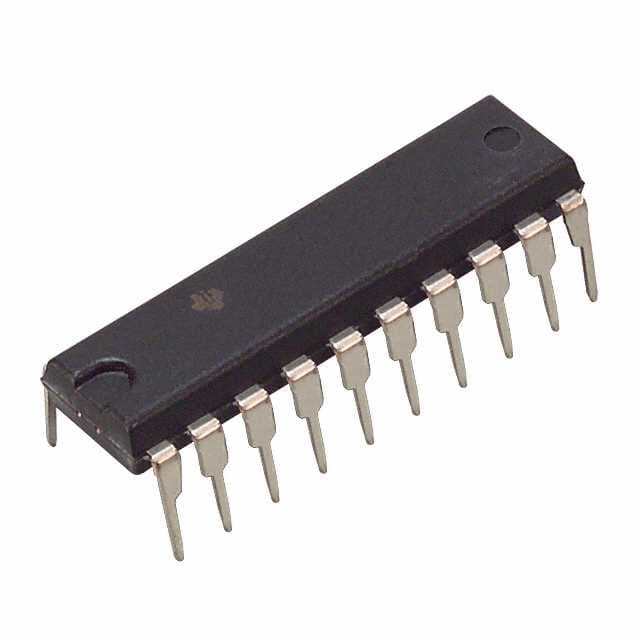
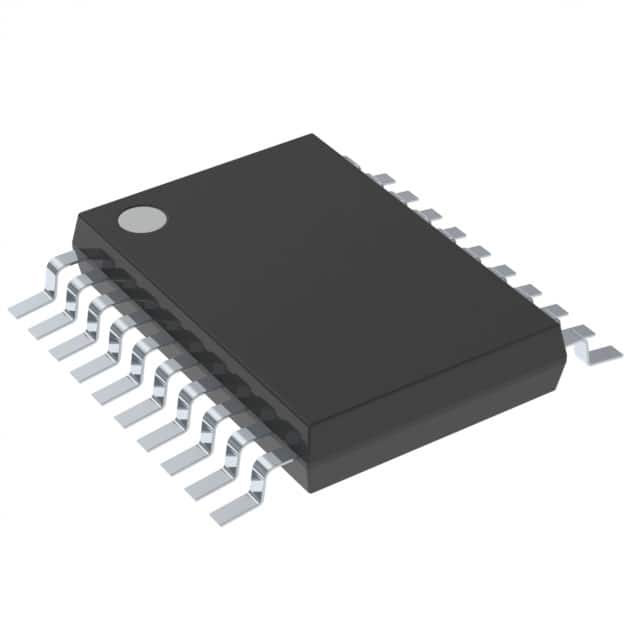
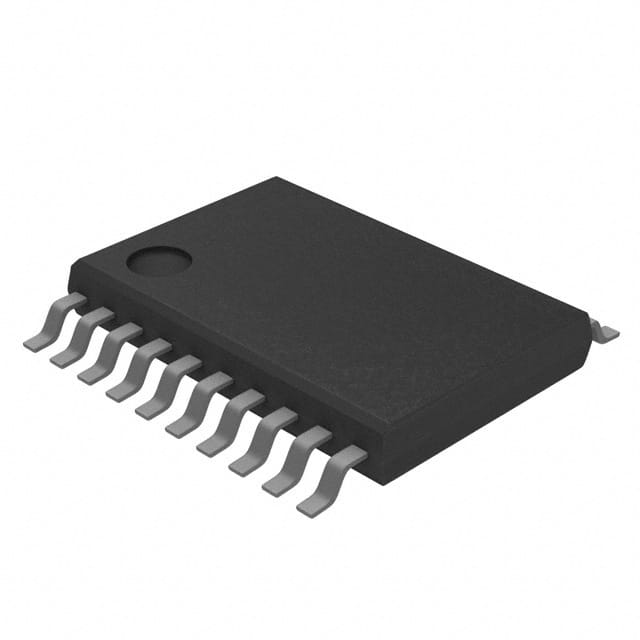
The picture is for reference only, please refer to the product specification
- SN74AHC240N
- Texas Instruments
- IC BUFFER INVERT 5.5V 20DIP
- Logic - Buffers, Drivers, Receivers, Transceivers
- SN74AHC240N Datasheet
- 20-DIP (0.300\", 7.62mm)
- Tape & Reel (TR)
-
 Lead free / RoHS Compliant
 - 14902
- Spot Inventory / Athorized Dstributor / Factory Excess Stock
- 1 year quality assurance 》
- Click to get rates


What is SN74AHC240N
Texas Instruments Part Number SN74AHC240N(Logic - Buffers, Drivers, Receivers, Transceivers), developed and manufactured by Texas Instruments, distributed globally by Jinftry. We distribute various electronic components from world-renowned brands and provide one-stop services, making us a trusted global electronic component distributor.
SN74AHC240N is one of the part numbers distributed by Jinftry, and you can learn about its specifications/configurations, package/case, Datasheet, and other information here. Electronic components are affected by supply and demand, and prices fluctuate frequently. If you have a demand, please do not hesitate to send us an RFQ or email us immediately [email protected] Please inquire about the real-time unit price, Data Code, Lead time, payment terms, and any other information you would like to know. We will do our best to provide you with a quotation and reply as soon as possible.
SN74AHC240N Specifications
- Part NumberSN74AHC240N
- CategoryLogic - Buffers, Drivers, Receivers, Transceivers
- ManufacturerTexas Instruments
- DescriptionIC BUFFER INVERT 5.5V 20DIP
- PackageTape & Reel (TR)
- Series74AHC
- Voltage - Supply2V ~ 5.5V
- Operating Temperature-40°C ~ 85°C (TA)
- Mounting TypeThrough Hole
- Package / Case20-DIP (0.300\", 7.62mm)
- Supplier Device Package20-PDIP
- Output Type3-State
- Input Type-
- Number of Elements2
- Current - Output High, Low8mA, 8mA
- Logic TypeBuffer, Inverting
- Number of Bits per Element4
Application of SN74AHC240N
SN74AHC240N Datasheet
SN74AHC240N Datasheet , Tape & Reel (TR),74AHC,2V ~ 5.5V,-40°C ~ 85°C (TA),Through Hole,20-DIP (0.300\", 7.62mm),20-PDIP,3-State,2,8mA, 8mA,Buffer, Inverting,4
SN74AHC240N Classification
Logic - Buffers, Drivers, Receivers, Transceivers
FAQ about Logic - Buffers, Drivers, Receivers, Transceivers
-
1. What is a logic Integrated Circuits((IC)?
Logic IC (Logic Integrated Circuit) is an integrated circuit, an electronic component that integrates multiple logic gates (such as AND gates, OR gates, NOT gates, etc.). They are able to perform Boolean logic operations and are used to implement various logic functions, and are the basis of digital circuit design.
Logic ICs are mainly composed of logic gates, registers, counters and other components, which are connected together by wires to form complex logic circuits. Logic ICs can be divided into two types: combinational logic circuits and sequential logic circuits.
Logic ICs are widely used in computers, communication equipment, consumer electronics and other fields, responsible for processing digital signals, converting input signals into output signals, and thus realizing specific logic functions. -
2. What is the difference between a buffer and a transceiver?
The main difference between a buffer and a transceiver is that they have different functions and application scenarios. The buffer is mainly used for signal buffering and transmission, while the transceiver has a bidirectional data transmission function and contains a direction control circuit.
A buffer is an electronic component that is mainly used for signal buffering and transmission. It has high input impedance and low output impedance, which can ensure the integrity and stability of the signal. Buffers are often used in digital circuits to temporarily store data for processor processing or to coordinate between high-speed and low-speed devices.
A transceiver is a bidirectional device that allows data to flow in both directions. It not only has buffering and driving functions, but also contains direction control circuits so that data can be transmitted in either direction as needed. Transceivers are often used in applications that require bidirectional communication, such as backplanes and ribbon cables, where the signal is weak or needs to be transmitted over long distances.
-
3. Why does the display interface need a transistor buffer or driver?
The main reason why the display interface needs a transistor buffer or driver is to enhance the driving ability of the signal, ensure that the signal can be effectively transmitted to the output end, and reduce signal loss and interference.
First, the display interface usually connects the high-speed CPU with the slow-speed peripherals (such as the display), and there is a difference in data processing speed between the two. In order to coordinate this difference and ensure the synchronization and stability of data transmission, a buffer or driver is needed to temporarily store the data, so as to achieve smooth data transmission.
Secondly, the transistor buffer or driver can amplify the signal and provide stronger driving ability to ensure that the signal is not affected by the load during transmission. This is especially important in high-voltage applications, because direct use of microcontroller drive may cause excessive power consumption and even damage the device. By using a buffer or driver, the driving signal can be effectively amplified, the switching loss can be reduced, and the power efficiency can be improved.
We are a professional PCB manufacturer who offers comprehensive PCB manufacturing services including: professional Ceramic PCB HDI PCB Heavy Copper PCB High-TG PCB High Speed PCB High Frequency PCB Metal Core PCB PCB fabrication and PCB assembly, providing fast turnaround prototypes for high-end products.



• Prompt Responsiveness
• Guaranteed Quality
• Global Access
• Competitive Market Price
• One-Stop support services of supply chain
Jinftry, Your most trustworthy component supplier, welcome to send us the inquiry, thank you!
Do you have any questions about SN74AHC240N ?
Feel free to contact us: