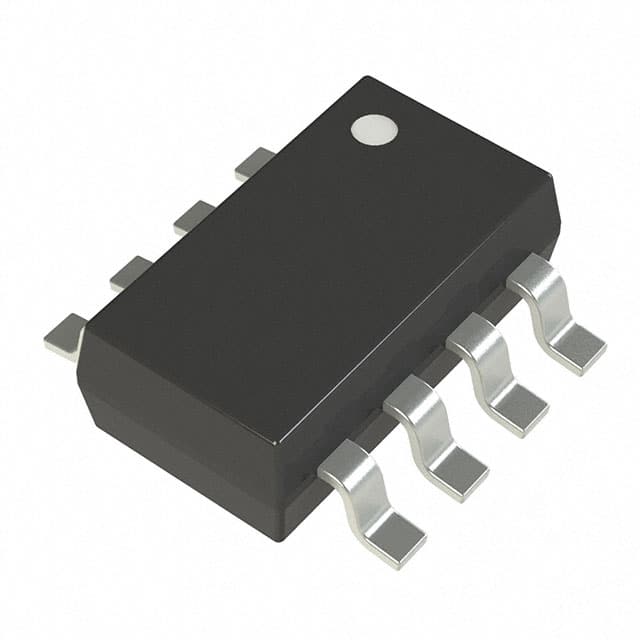
Texas Instruments TLV2544IPW

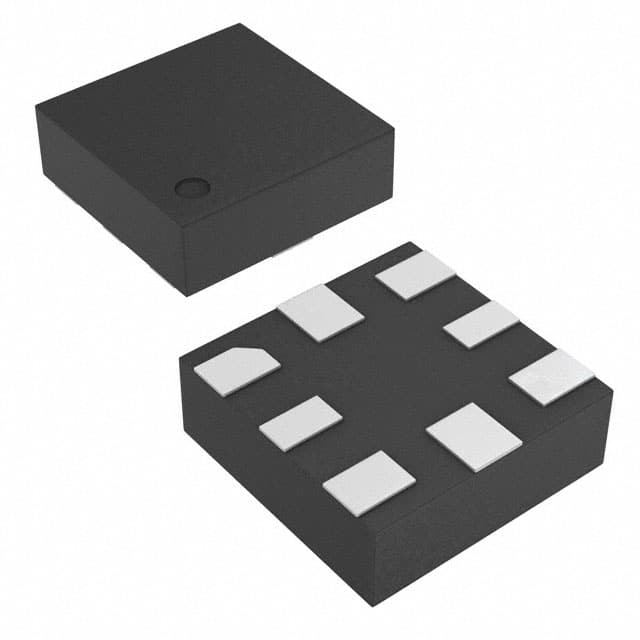
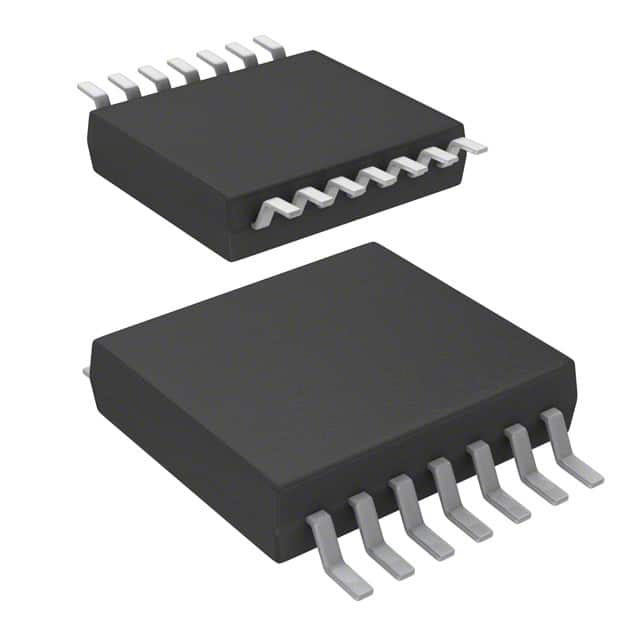
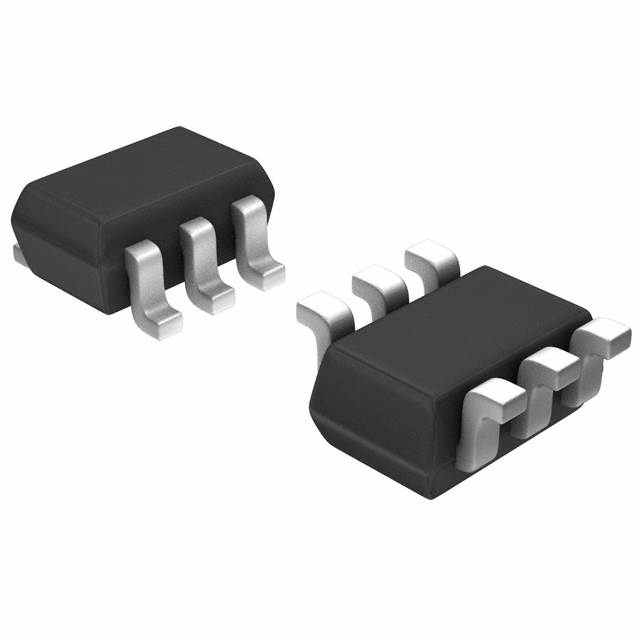
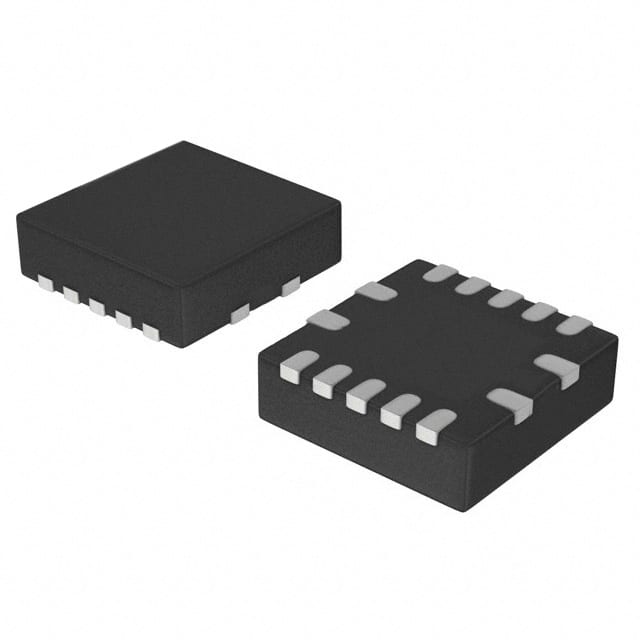
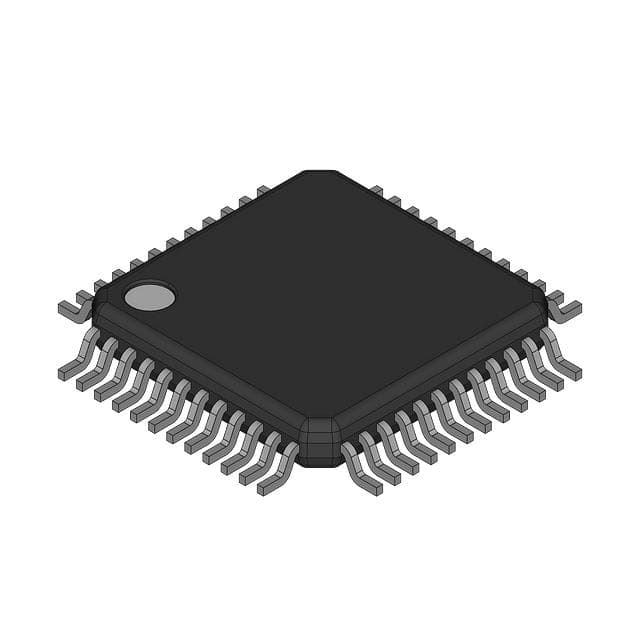
The picture is for reference only, please refer to the product specification
- TLV2544IPW
- Texas Instruments
- IC ADC 12BIT SAR 16TSSOP
- Data Acquisition - Analog to Digital Converters (ADC)
- TLV2544IPW Datasheet
- 16-TSSOP (0.173\", 4.40mm Width)
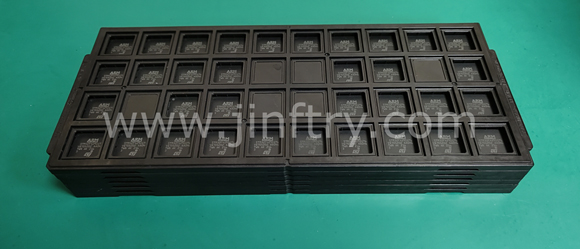
- Tube
-
 Lead free / RoHS Compliant
 - 4032
- Spot Inventory / Athorized Dstributor / Factory Excess Stock
- 1 year quality assurance 》
- Click to get rates


What is TLV2544IPW
Texas Instruments Part Number TLV2544IPW(Data Acquisition - Analog to Digital Converters (ADC)), developed and manufactured by Texas Instruments, distributed globally by Jinftry. We distribute various electronic components from world-renowned brands and provide one-stop services, making us a trusted global electronic component distributor.
TLV2544IPW is one of the part numbers distributed by Jinftry, and you can learn about its specifications/configurations, package/case, Datasheet, and other information here. Electronic components are affected by supply and demand, and prices fluctuate frequently. If you have a demand, please do not hesitate to send us an RFQ or email us immediately [email protected] Please inquire about the real-time unit price, Data Code, Lead time, payment terms, and any other information you would like to know. We will do our best to provide you with a quotation and reply as soon as possible.
TLV2544IPW Specifications
- Part NumberTLV2544IPW
- CategoryData Acquisition - Analog to Digital Converters (ADC)
- ManufacturerTexas Instruments
- DescriptionIC ADC 12BIT SAR 16TSSOP
- PackageTube
- Series-
- Features-
- Operating Temperature-40°C ~ 85°C
- Mounting TypeSurface Mount
- Package / Case16-TSSOP (0.173\", 4.40mm Width)
- Supplier Device Package16-TSSOP
- Reference TypeExternal, Internal
- Sampling Rate (Per Second)200k
- Data InterfaceSPI, DSP
- Number of Bits12
- Voltage - Supply, Analog2.7V ~ 5.5V
- Voltage - Supply, Digital2.7V ~ 5.5V
- Number of Inputs4
- Input TypeSingle Ended
- ConfigurationMUX-S/H-ADC
- Ratio - S/H:ADC1:1
- Number of A/D Converters1
- ArchitectureSAR
Application of TLV2544IPW
TLV2544IPW Datasheet
TLV2544IPW Datasheet , Tube,-40°C ~ 85°C,Surface Mount,16-TSSOP (0.173\", 4.40mm Width),16-TSSOP,External, Internal,200k,SPI, DSP,12,2.7V ~ 5.5V,2.7V ~ 5.5V,4,Single Ended,MUX-S/H-ADC,1:1,1,SAR
TLV2544IPW Classification
Data Acquisition - Analog to Digital Converters (ADC)
FAQ about Data Acquisition - Analog to Digital Converters (ADC)
-
1. What are DAC and ADC?
ADC and DAC are two important concepts in digital electronics. ADC stands for "analog-to-digital converter", which can convert analog signals into digital signals. DAC stands for "digital-to-analog converter", which can convert digital signals into analog signals. Both converters play an important role in many electronic products, such as mobile phones, televisions, stereos, etc.
-
2. When is ADC used?
ADC (Analog-to-Digital Converter) is widely used in a variety of scenarios, including but not limited to:
Sensor interface: For example, temperature sensors, pressure sensors, and light sensors, ADC converts analog voltages into digital signals for the use of digital thermometers, temperature control systems, barometers, air pressure sensing systems, light intensity detection and control systems.
Audio signal processing: In microphones, ADC converts analog audio signals into digital signals for digital audio processing, recording, and playback.
Medical equipment: Such as electrocardiograms (ECGs) and oximeters, ADC converts analog signals of ECG signals and blood oxygen saturation into digital signals for heart health monitoring and diagnosis and blood oxygen level monitoring.
Data acquisition system: In various applications that need to collect data from analog signals, ADC is used to convert analog signals into digital signals for storage, processing, and analysis. -
3. What is the difference between the input and output of an ADC?
The input of ADC (Analog-to-Digital Converter) is analog quantity and the output is digital quantity.
The main function of ADC is to convert continuous analog signal into discrete digital signal. In electronic systems, analog signal usually refers to continuously changing voltage or current, such as the signal obtained from microphone or sensor. The amplitude and frequency of these analog signals can change continuously, while digital signals are composed of a series of discrete values, usually expressed in binary form.
Input: The input of ADC receives analog signals, which can be in the form of continuously changing physical quantities such as voltage and current. The amplitude and frequency of analog signals can change continuously, such as the voltage range from 0V to 5V.
Output: The output of ADC is digital signal, which is composed of a series of discrete values, usually expressed in binary form. The advantage of digital signals is that they can be calculated and processed quic
We are a professional PCB manufacturer who offers comprehensive PCB manufacturing services including: professional Ceramic PCB HDI PCB Heavy Copper PCB High-TG PCB High Speed PCB High Frequency PCB Metal Core PCB PCB fabrication and PCB assembly, providing fast turnaround prototypes for high-end products.





• Prompt Responsiveness
• Guaranteed Quality
• Global Access
• Competitive Market Price
• One-Stop support services of supply chain
Jinftry, Your most trustworthy component supplier, welcome to send us the inquiry, thank you!
Do you have any questions about TLV2544IPW ?
Feel free to contact us:
TLV2544IPW Related Products


IC ADC 10BIT PIPELINED 28TSSOP
IC ADC 10BIT TWO-STEP 48TQFP