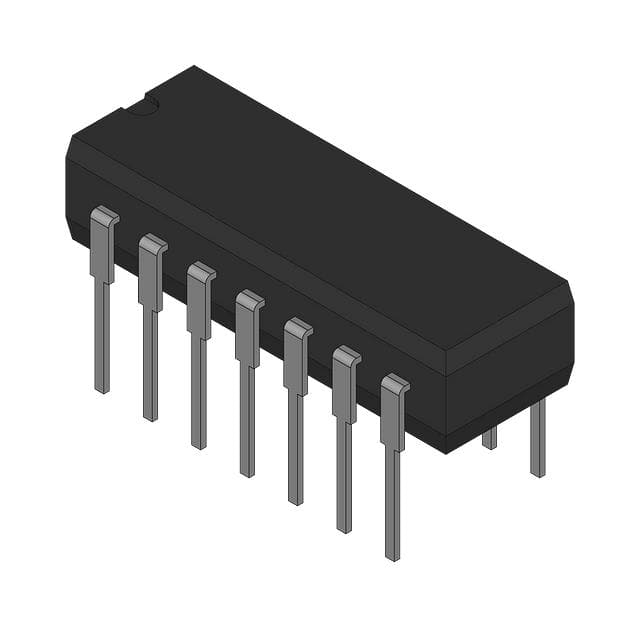
National Semiconductor TP3054WM-X
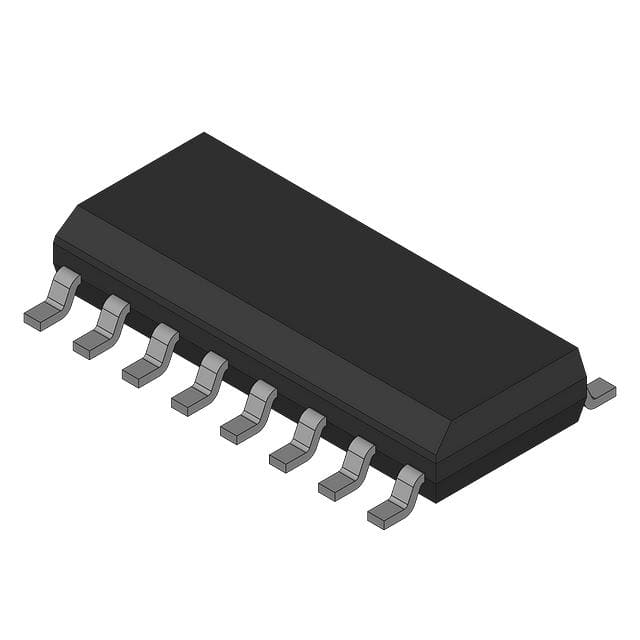
The picture is for reference only, please refer to the product specification
- TP3054WM-X
- National Semiconductor
- PCM CODEC MU-LAW 1-FUNC PDSO16
- Interface - CODECs
- TP3054WM-X Datasheet
- 16-SOIC (0.295\", 7.50mm Width)
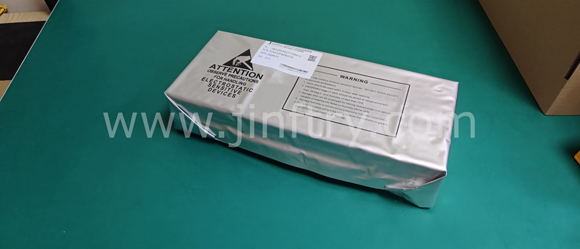
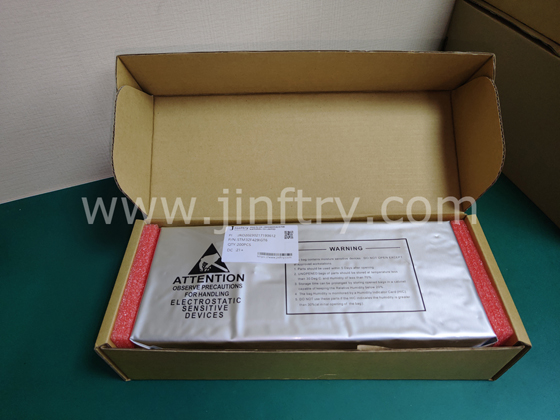
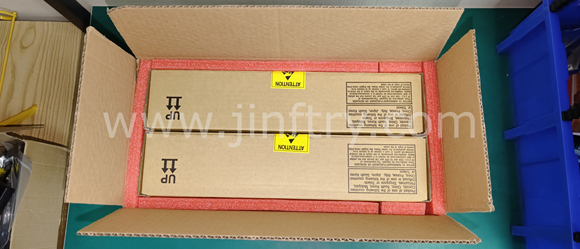
- Bulk
-
 Lead free / RoHS Compliant
 - 2514
- Spot Inventory / Athorized Dstributor / Factory Excess Stock
- 1 year quality assurance 》
- Click to get rates


What is TP3054WM-X
National Semiconductor Part Number TP3054WM-X(Interface - CODECs), developed and manufactured by National Semiconductor, distributed globally by Jinftry. We distribute various electronic components from world-renowned brands and provide one-stop services, making us a trusted global electronic component distributor.
TP3054WM-X is one of the part numbers distributed by Jinftry, and you can learn about its specifications/configurations, package/case, Datasheet, and other information here. Electronic components are affected by supply and demand, and prices fluctuate frequently. If you have a demand, please do not hesitate to send us an RFQ or email us immediately [email protected] Please inquire about the real-time unit price, Data Code, Lead time, payment terms, and any other information you would like to know. We will do our best to provide you with a quotation and reply as soon as possible.
TP3054WM-X Specifications
- Part NumberTP3054WM-X
- CategoryInterface - CODECs
- ManufacturerNational Semiconductor
- DescriptionPCM CODEC MU-LAW 1-FUNC PDSO16
- PackageBulk
- SeriesCOMBO®
- TypePCM, Filter
- Operating Temperature-25°C ~ 125°C
- Mounting TypeSurface Mount
- Package / Case16-SOIC (0.295\", 7.50mm Width)
- Supplier Device Package16-SOIC
- Resolution (Bits)-
- Data InterfaceSerial
- Voltage - Supply, Analog±5V
- Voltage - Supply, Digital±5V
- Number of ADCs / DACs1 / 1
- Sigma DeltaNo
- S/N Ratio, ADCs / DACs (db) Typ-
- Dynamic Range, ADCs / DACs (db) Typ-
Application of TP3054WM-X
TP3054WM-X Datasheet
TP3054WM-X Datasheet , Bulk,COMBO®,PCM, Filter,-25°C ~ 125°C,Surface Mount,16-SOIC (0.295\", 7.50mm Width),16-SOIC,Serial,±5V,±5V,1 / 1,No
TP3054WM-X Classification
Interface - CODECs
FAQ about Interface - CODECs
-
1. What are audio codecs used for?
Audio codecs are mainly used to compress and decompress digital audio data for easy storage and transmission. During the compression process, the codec removes redundant information from the audio to reduce the amount of data; during decompression, this information is restored to restore the original audio quality.
How Audio Codecs Work
The audio codec consists of two parts: encoding and decoding:
Coding: compressing the original audio signal into a smaller amount of data for easy storage and transmission. Compression methods include lossless compression (such as APE, FLAC) and lossy compression (such as MP3, AAC). Although lossy compression will lose some audio details, it can significantly reduce the file size.
Decoding: Restore the compressed audio data to the original audio signal to ensure that the sound quality is not damaged or the loss is minimized. -
2. How many codecs are there?
There are many types of codecs, and it is difficult to count their exact number. Codecs are mainly divided into the following categories:
Video codecs: such as H.264, H.265 (HEVC), VP8, VP9, AV1, etc., used for compression and decompression of video data.
Audio codec: such as MP3, AAC, Opus, FLAC, etc., used for compression and decompression of audio data.
Image codecs: such as JPEG, PNG, WebP, etc., used for compression and decompression of static images.
In addition, there are some codecs designed for specific application scenarios, such as ProRes, DNxHD, etc. -
3. What is the best audio codec?
The best audio codec can be considered from the following aspects:
Decoding capability: The decoder needs to support high-quality audio formats, such as DTS, Dolby Digital, MQA, DSD, etc. These formats can provide more realistic and delicate sound quality.
For example, the Kaiboer A5 decoder supports high-resolution audio processing capabilities of DSD512 and PCM 768KHz@32Bit, and can easily restore the best effects of various sound source files.
Input and output interfaces: The type and number of interfaces of the decoder are also important. Common interfaces include optical fiber, coaxial, USB, HDMI and Bluetooth. Support multiple interfaces to meet the connection requirements of different audio source devices.
For example, the PXBTR-Q6 Pro decoder supports multiple interfaces such as Bluetooth, optical fiber, coaxial, USB and SD card, allowing users to switch audio sources at any time.
Sound quality and stability: The signal-to-noise ratio and distortion of the decoder are important indicators of sound quality. A higher signal-to-noise ratio provides clear audio signals, while low distortion means more realistic sound reproduction. For example, the Ayin HD815 PRO decoder supports multiple audio formats such as DTS HD, AC3, Dolby Atmos, etc., can bring clear 5.1 surround sound, and has a built-in high-performance RTOS operating system to ensure pure sound quality.
We are a professional PCB manufacturer who offers comprehensive PCB manufacturing services including: professional Ceramic PCB HDI PCB Heavy Copper PCB High-TG PCB High Speed PCB High Frequency PCB Metal Core PCB PCB fabrication and PCB assembly, providing fast turnaround prototypes for high-end products.



• Prompt Responsiveness
• Guaranteed Quality
• Global Access
• Competitive Market Price
• One-Stop support services of supply chain
Jinftry, Your most trustworthy component supplier, welcome to send us the inquiry, thank you!
Do you have any questions about TP3054WM-X ?
Feel free to contact us:
TP3054WM-X Related Products




IC STEREO AUD CODEC LP 81DSBGA